
Blog
Why Functional Chairs Are the Future of Comfortable Seating

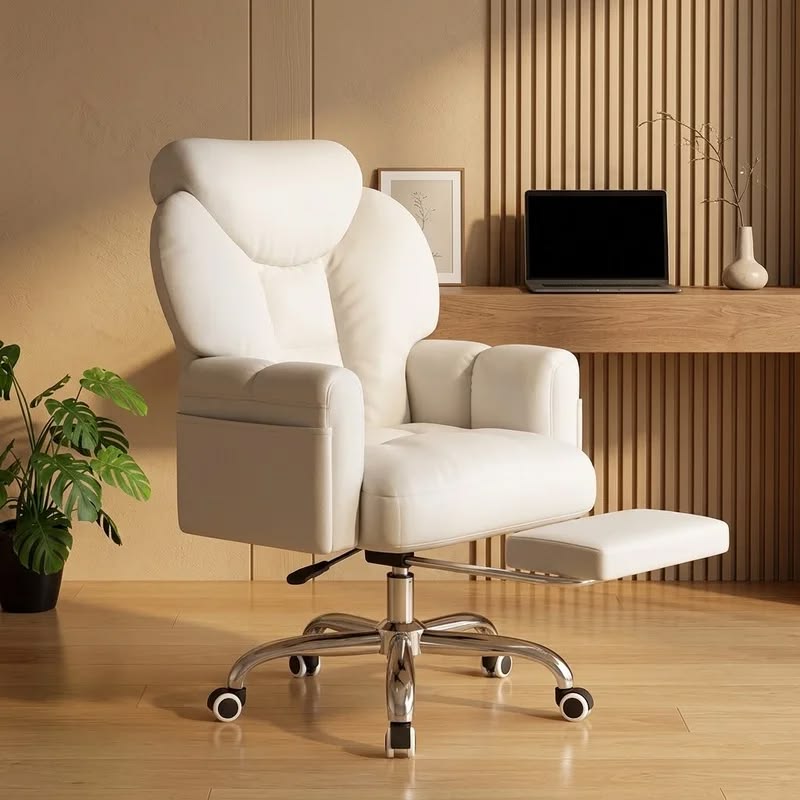
The way we use furniture is changing. Modern homes and workplaces are becoming more flexible, compact, and multifunctional, creating a growing demand for furniture that can adapt to different lifestyles.
Among these changes, functional chairs are becoming increasingly important. Rather than focusing on appearance alone, modern chairs are designed to combine comfort, practicality, flexibility, and style.
From ergonomic office chairs to versatile seating solutions for small apartments, functional chairs are helping people create spaces that work better for everyday life.
But what makes functional chairs so important, and why are they becoming a major part of the future of comfortable seating?
What Are Functional Chairs?
Functional chairs are designed to provide more than basic seating. They combine practical features with thoughtful design to improve comfort and usability.
Depending on the type of chair, functional features may include:
- Ergonomic support
- Adjustable height
- Supportive backrests
- Comfortable cushioning
- Armrests
- Flexible movement
- Foldable or stackable construction
- Lightweight materials
- Easy-to-clean surfaces
- Multifunctional designs
The purpose is not simply to add more features. Instead, a functional chair should provide features that solve real everyday needs.
This makes functional seating particularly valuable in homes, offices, studios, apartments, and other spaces where furniture needs to serve multiple purposes.
The Growing Demand for Comfortable Seating
People spend a significant amount of time sitting throughout the day.
We sit while working, studying, eating, relaxing, reading, socializing, and traveling. As a result, the quality of our seating can have a noticeable impact on our everyday experience.
At the same time, modern lifestyles are becoming more flexible.
Many people work from home, combine professional and personal activities in the same room, or live in smaller spaces where every piece of furniture needs to be practical.
This creates a need for chairs that can provide comfort while adapting to changing requirements.
Functional chairs address both needs by combining comfortable seating with practical design.
1. Ergonomics Is Becoming More Important
One of the biggest factors driving the popularity of functional chairs is the growing awareness of ergonomic design.
An ergonomic chair is designed to provide appropriate support and allow users to adjust the chair according to their individual needs.
For people who spend several hours working at a desk, features such as adjustable seat height, lumbar support, supportive backrests, and armrests can contribute to a more comfortable sitting experience.
Functional office chairs are particularly useful for home offices and hybrid workspaces, where people may spend much of their working day at the same desk.
While a chair alone cannot guarantee perfect posture or eliminate discomfort, a well-designed ergonomic chair can be an important part of a comfortable workstation.
2. Modern Spaces Need More Flexible Furniture
Traditional furniture often has a single purpose.
A dining chair is primarily used for dining. An office chair is designed for working. A lounge chair is intended for relaxation.
Modern spaces, however, are often more flexible.
A dining area may also function as a workspace. A living room may become a study area. A bedroom may include a reading corner or home office.
This is why multifunctional chairs are becoming increasingly useful.
A lightweight chair can be moved between rooms. A foldable chair can be stored when it is not needed. An adjustable chair can accommodate different activities and users.
This flexibility allows furniture to adapt to people instead of forcing people to adapt to their furniture.
3. Functional Chairs Help Maximize Small Spaces
Urban living has increased the demand for furniture that works efficiently in smaller spaces.
Apartments, studios, and compact homes require thoughtful furniture choices. Large pieces can quickly make a room feel crowded, leaving little space for movement.
Space-saving functional chairs can provide a practical solution.
Compact, stackable, foldable, or lightweight designs allow homeowners to maintain comfortable seating without sacrificing valuable floor space.
Some multifunctional chairs can even be stored away when they are not needed, giving users more flexibility when arranging their rooms.
4. Comfort and Style No Longer Have to Compete
For a long time, practical furniture was sometimes associated with purely functional or utilitarian designs.
Modern furniture design is changing that perception.
Today’s functional chairs can combine ergonomic features with attractive shapes, colors, textures, and materials.
A chair can provide back support while also becoming an attractive feature in a room. A comfortable office chair can complement a modern workspace. A functional dining chair can contribute to the overall design of a dining area.
This combination of comfort and aesthetics makes functional chairs suitable for people who want both performance and visual appeal.
5. Better Materials Are Improving Chair Design
The future of comfortable seating is also influenced by advances in materials and manufacturing.
Furniture manufacturers can choose from a wide range of materials to create different combinations of comfort, durability, weight, and appearance.
Common chair materials include fabric, leather, wood, metal, plastic, and composite materials.
Modern upholstery can provide comfortable cushioning, while durable frames can help chairs withstand regular use.
The choice of material should always depend on the intended environment. A dining chair may benefit from an easy-to-clean surface, while a lounge chair may prioritize soft upholstery and cushioning.
6. Personalization Is Becoming More Important
People have different bodies, habits, preferences, and working environments.
A chair that feels comfortable for one person may not be suitable for another.
This makes adjustability an increasingly important feature of modern functional seating.
Adjustable height, reclining mechanisms, armrests, and other customizable components can allow users to create a seating position that better suits their individual needs.
This emphasis on personalization is particularly valuable for ergonomic office chairs and workspaces.
Instead of using a one-size-fits-all approach, functional furniture can provide greater flexibility for individual users.
7. Multifunctional Furniture Supports Modern Lifestyles
Modern consumers increasingly look for furniture that provides more value from a single product.
A multifunctional chair can serve several purposes depending on the situation.
For example, a chair might be used as everyday seating in a home office and then moved into another room when additional seating is required.
This versatility can be especially useful for people who frequently rearrange their homes, entertain guests, or work with limited space.
The result is furniture that is not only comfortable but also adaptable.
8. Durability Matters More Than Ever
Comfort is important, but a functional chair also needs to withstand regular use.
Consumers are increasingly interested in furniture that can provide long-term value rather than products that need to be replaced frequently.
When choosing a functional chair, consider the quality of its frame, joints, upholstery, adjustment mechanisms, and other components.
A durable chair can remain useful for years while maintaining its functionality and appearance with proper care.
9. Easy Maintenance Makes Furniture More Practical
A comfortable chair should also be easy to maintain.
Busy lifestyles leave little time for complicated furniture care, making easy-to-clean materials increasingly attractive.
Depending on the design, functional chairs may use materials that can be wiped clean or maintained with simple cleaning routines.
Regular maintenance can help preserve both the appearance and functionality of the chair.
Before purchasing, check the manufacturer’s cleaning and care recommendations to ensure the material is suitable for your lifestyle.
Functional Chairs and the Future of Work
The evolution of work is another reason functional chairs are becoming increasingly relevant.
Remote and hybrid work have changed how people use their homes. A dining table can become a temporary workstation, while a bedroom or living room may also function as an office.
This requires furniture that can adapt to multiple activities.
Ergonomic office chairs, adjustable seating, and lightweight multifunctional designs can help people create more flexible work environments.
As work continues to evolve, adaptable furniture is likely to remain an important part of modern interior design.
Functional Chairs and Sustainable Furniture Choices
Durability and versatility can also influence how people think about furniture consumption.
A chair that can serve multiple purposes may reduce the need to purchase several different pieces of furniture.
Similarly, a durable chair that remains functional for a long period may be more practical than frequently replacing lower-quality products.
When choosing furniture, consider not only its appearance and price but also its expected lifespan, materials, maintenance requirements, and versatility.
How to Choose a Functional Chair for the Future
If you’re looking for a chair that will remain useful as your needs change, consider several important factors.
Think About Your Primary Use
Determine whether the chair will be used for working, dining, studying, relaxing, or multiple activities.
Understanding its primary purpose will help you identify the features that matter most.
Consider Ergonomic Support
If you expect to spend long periods sitting, prioritize features that support a comfortable sitting position.
Adjustability can be especially useful because it allows the chair to accommodate different users and setups.
Look for Versatility
Consider whether the chair can be used in more than one environment.
A versatile design can provide greater value, especially in smaller homes or multifunctional rooms.
Choose Durable Materials
Select materials that can handle the expected level of use and are appropriate for your environment.
Durability can contribute to the chair’s long-term value.
Match the Design to Your Space
Functionality should not come at the expense of style.
Choose a chair that complements the furniture, colors, and overall design of your room.
The Future of Seating Is Functional
The future of comfortable seating is moving toward furniture that does more.
People want chairs that are comfortable enough for everyday use, practical enough for changing lifestyles, durable enough to provide long-term value, and stylish enough to complement modern interiors.
Functional chairs bring these qualities together.
Whether you’re working from home, living in a compact apartment, furnishing a modern office, or simply looking for better seating, functional furniture can provide a flexible solution.
The future isn’t necessarily about adding more features to every chair. It is about designing chairs with features that genuinely improve the way people live and work.
Final Thoughts
Functional chairs represent an important shift in modern furniture design.
Instead of choosing between comfort and practicality, consumers can now look for seating that combines both with style, durability, and flexibility.
From ergonomic office chairs to multifunctional seating for small spaces, functional chairs can adapt to the changing needs of modern lifestyles.
As homes and workplaces continue to evolve, furniture that can adapt alongside them will become increasingly valuable.
Looking for comfortable seating designed for modern living? Explore our collection of functional chairs and discover the perfect balance of comfort, practicality, and style.