
Blog
What Makes a Chair Functional? Key Features to Consider

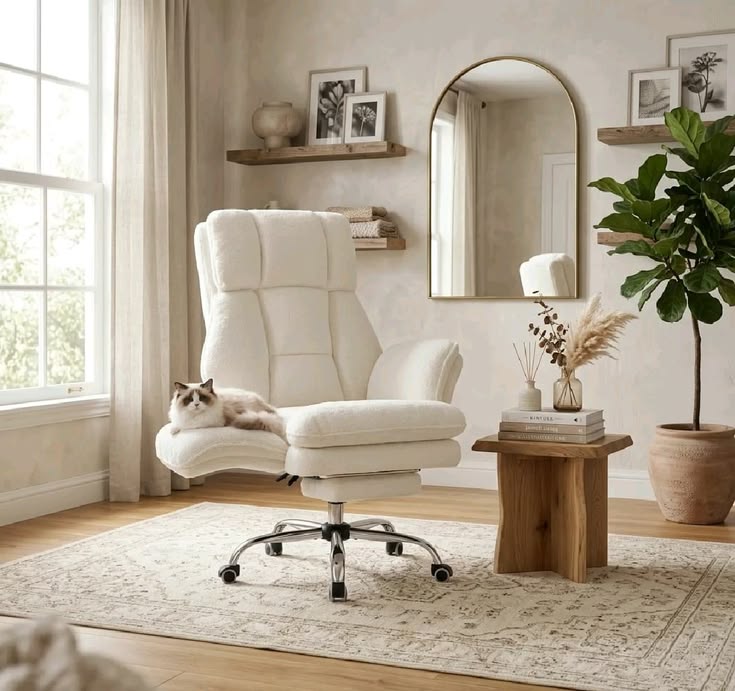
A chair may look stylish, but good design is about more than appearance. A truly functional chair should provide comfort, support, practicality, and features that make everyday use easier.
Functional chairs are designed to serve a purpose beyond simply providing a place to sit. Depending on the environment, they can support working, studying, dining, relaxing, collaborating, or other daily activities.
But what exactly makes a chair functional?
Understanding the key features can help you choose seating that fits your needs and performs well over time.
1. Comfortable Seating
Comfort is one of the most basic requirements of a functional chair.
A chair should provide a seating experience that feels comfortable for its intended use. Factors such as seat shape, cushioning, width, depth, and material can all affect comfort.
The amount of comfort needed will depend on how the chair is used. A chair for short meals may have different requirements from one designed for several hours of desk work.
2. Proper Back Support
A functional chair should provide appropriate support for the back.
The backrest should offer enough support while allowing the user to sit naturally. For chairs intended for extended sitting, features such as ergonomic contours or lumbar support can be particularly useful.
Good back support can make a significant difference in everyday seating, especially in offices and study environments.
3. Appropriate Seat Height
Seat height is another important functional feature.
The chair should allow the user to sit comfortably in relation to the surrounding furniture. For example, a desk chair should work well with the height of the desk, while dining chairs should be appropriately proportioned to the dining table.
Adjustable seat height can provide additional flexibility, particularly when a chair is used by different people.
4. Useful Adjustability
Adjustability is one of the features most commonly associated with functional seating.
Depending on the chair’s purpose, adjustments may include:
- Seat height
- Backrest angle
- Armrest position
- Seat depth
- Reclining position
- Headrest position
The most useful adjustments are those that solve specific comfort or usability needs.
A chair does not need to have every possible adjustment to be functional. What matters is whether its features are useful for the way it will be used.
5. Ergonomic Design
Ergonomics focuses on how furniture interacts with the person using it.
A functional ergonomic chair considers factors such as posture, body support, movement, and the relationship between the chair and surrounding furniture.
This can be especially important for chairs used during long periods of work or study.
An ergonomic design should make the chair feel natural to use rather than forcing the user into an uncomfortable position.
6. Freedom of Movement
Functionality is not always about keeping the body completely still.
Some chairs are designed to allow controlled movement through flexible backrests, reclining mechanisms, or swivel bases.
Being able to change positions can make seating feel more flexible during everyday activities.
This is particularly useful in work environments where users may need to move between different tasks throughout the day.
7. Strong and Durable Construction
A functional chair needs to withstand regular use.
The frame, joints, base, seat, and backrest all contribute to the overall durability of the chair. Good construction can help the chair remain stable and reliable through repeated everyday use.
When evaluating a functional chair, consider whether its construction is appropriate for the environment and frequency of use.
8. Practical Materials
Materials affect more than just the appearance of a chair.
They can influence comfort, durability, maintenance, weight, and overall usability.
Common materials include:
- Wood for warmth and natural character
- Metal for strength and a modern appearance
- Plastic for lightweight practicality
- Fabric for softness and comfort
- Synthetic materials for different combinations of durability and easy maintenance
The right material depends on the intended environment and how the chair will be used.
9. Easy Maintenance
A chair can be considered more functional when it is practical to maintain.
Easy-to-clean surfaces can be particularly valuable in dining areas, offices, classrooms, restaurants, and other high-use environments.
Before choosing a chair, consider how often it will need to be cleaned and whether its materials are suitable for the maintenance routine you can realistically manage.
10. Flexible Design
A functional chair should work effectively within its environment.
Flexible designs can be useful when spaces need to serve multiple purposes. Lightweight, movable, foldable, or stackable chairs can make it easier to change a room’s layout.
For example, a multipurpose room may need to switch between meetings, individual work, and group activities.
Flexible seating can make these transitions much easier.
11. Appropriate Size and Proportion
Functionality also depends on how well the chair fits its surroundings.
A chair that is too large can make a small room feel crowded. A chair that is too small may not provide sufficient comfort or support.
Consider the chair’s width, depth, height, and overall footprint in relation to the available space.
Good proportions can improve both usability and the appearance of the room.
12. Mobility
Some environments benefit from chairs that can be moved easily.
Lightweight chairs can be repositioned when the room’s purpose changes. Chairs with casters can provide additional mobility in appropriate work environments.
Mobility can make seating more adaptable and allow users to adjust their workspace according to different activities.
13. Versatility
A versatile chair can support more than one use.
For example, a simple functional chair may work in a dining area, study space, or meeting room depending on its design.
Versatility can be particularly useful for homes and workplaces where rooms frequently serve multiple purposes.
Instead of requiring separate furniture for every activity, adaptable seating can help one chair work across different situations.
14. Stability and Safety
A functional chair should feel stable during everyday use.
A solid base and well-constructed frame can help provide a secure seating experience. The chair should also be appropriate for the weight and usage requirements of its intended environment.
Stability is especially important in busy spaces where chairs are frequently moved or used throughout the day.
15. Compatibility With Other Furniture
A functional chair should work well with the furniture around it.
Consider how the chair interacts with desks, dining tables, counters, workstations, and other surfaces.
For example, a chair with the wrong height can make an otherwise well-designed workspace uncomfortable.
Thinking about the entire furniture setup can help ensure that the chair performs as intended.
16. Design That Supports the User’s Lifestyle
The most functional chair is ultimately the one that fits the user’s lifestyle.
Someone who works from home may need adjustability and ergonomic support. A homeowner with limited space may prioritize compact and stackable seating. A restaurant may focus on durability, comfort, and easy maintenance.
There is no single definition of functionality that applies to every chair.
The right features depend on the people, activities, and environment the chair is designed to serve.
Functionality Does Not Mean Sacrificing Style
A functional chair can also be visually appealing.
Modern furniture design allows comfort and practicality to work together with attractive shapes, materials, and finishes.
When choosing a chair, consider how its appearance fits with the surrounding environment.
A well-designed functional chair should support the user’s needs while complementing the overall style of the room.
How to Choose the Right Functional Features
Instead of looking for the chair with the longest list of features, start by identifying what you actually need.
Ask yourself:
- How will the chair be used?
- How long will people typically sit?
- Does it need ergonomic support?
- Is adjustability important?
- Does the chair need to move frequently?
- How much space is available?
- What type of material is appropriate?
- How often will it need to be cleaned?
- How frequently will it be used?
- Does it need to serve multiple purposes?
These questions can help you focus on useful functionality rather than unnecessary features.
Final Thoughts
A functional chair is more than a place to sit. It combines thoughtful design with features that make seating more comfortable, practical, adaptable, and reliable.
Key characteristics can include ergonomic support, comfortable seating, adjustability, durability, mobility, appropriate materials, easy maintenance, and versatile design.
The most important thing is to choose functionality based on your specific needs. A chair designed for an office may require different features from one intended for dining or relaxing.
When comfort and practical design come together, a functional chair can become an important part of a space that works better every day.
Looking for seating that combines comfort, functionality, and modern design? Explore our functional chair collection and find the right solution for your space.