
Blog
Why Functional Design Matters When Choosing a Chair

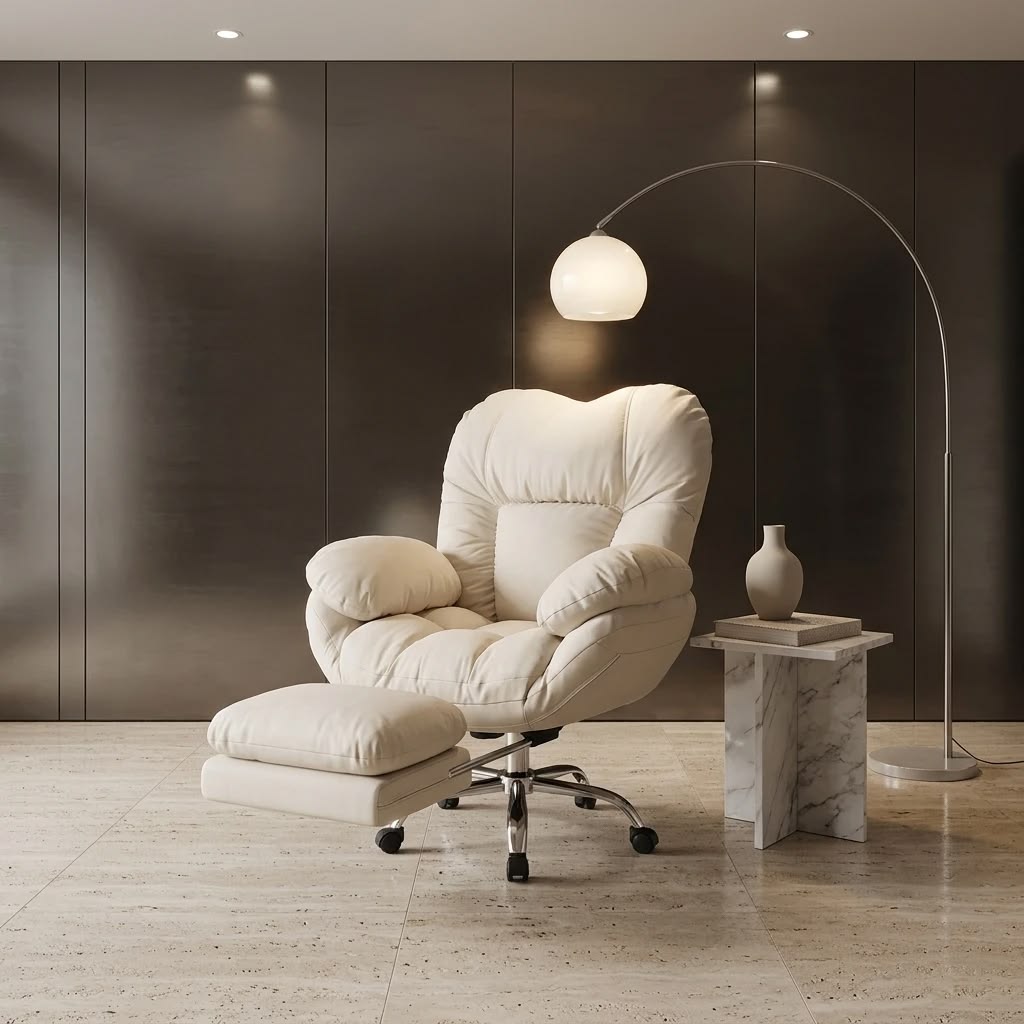
Choosing a chair is about more than finding a design that looks good. While appearance can influence your decision, a chair also needs to provide comfort, support, durability, and practicality. This is where functional design becomes important.
A functionally designed chair is created with the user’s everyday needs in mind. From ergonomic support and comfortable proportions to mobility and material selection, every element can affect how useful and comfortable the chair becomes.
Whether you are furnishing a home, office, dining area, or commercial space, understanding the importance of functional design can help you choose seating that works well for your space and lifestyle.
What Is Functional Chair Design?
Functional chair design focuses on how effectively a chair performs its intended purpose. Instead of considering appearance alone, functional design looks at comfort, usability, stability, flexibility, and long-term performance.
A functional chair may include features such as:
- Comfortable seat proportions
- Supportive backrests
- Appropriate seat height
- Ergonomic construction
- Durable materials
- Lightweight or movable construction
- Practical maintenance requirements
- Flexible use across different spaces
The goal is simple: create seating that looks appropriate while also working effectively for the people who use it.
Comfort Should Be Part of the Design
One of the most important reasons functional design matters is comfort. A chair may look attractive, but if it is uncomfortable to sit on, it may not be suitable for everyday use.
Functional design considers factors such as seat depth, seat height, back support, and overall proportions. These details can make a significant difference, especially when a chair is used for extended periods.
Comfort should therefore be considered an essential part of chair design rather than an optional feature.
Ergonomic Support Improves Everyday Seating
Ergonomics is another important aspect of functional design. A well-designed chair should provide appropriate support for the user’s body and encourage a comfortable sitting position.
For office and work environments, ergonomic features can be particularly useful because people may spend several hours sitting throughout the day.
Even in residential spaces, thoughtful ergonomic design can make dining, studying, working, or relaxing more comfortable.
The Right Chair Should Fit Its Purpose
Different activities require different types of seating. A dining chair, office chair, lounge chair, and outdoor chair may all have different functional requirements.
Before choosing a chair, think about how it will be used.
For example:
- Office chairs should support focused work and extended sitting.
- Dining chairs should provide comfortable seating around a table.
- Lounge chairs can prioritize relaxation and a more relaxed posture.
- Outdoor chairs should be suitable for outdoor environments and regular use.
Choosing a chair based on its purpose helps ensure that its design matches your actual needs.
Functional Design Makes Spaces More Practical
A chair can also influence how efficiently a room is used. The right proportions and construction can help create a more organized and practical environment.
For smaller rooms, compact chairs can help maintain open space. Lightweight chairs can make rearranging furniture easier, while stackable designs can provide convenient storage when extra seating is not needed.
This makes functional design especially valuable in spaces that need to serve multiple purposes.
Durability Is an Important Functional Feature
A chair is an investment in everyday comfort, so durability should be part of the selection process.
Functional design considers how the chair will handle regular use. Strong construction, suitable materials, and reliable components can contribute to a chair’s ability to remain useful over time.
For busy offices, restaurants, hospitality spaces, and family homes, durability can be especially important because chairs may be used frequently.
Materials Affect Both Function and Experience
The material used to make a chair can influence its comfort, durability, maintenance, and appearance.
Different environments may require different material characteristics. For example, outdoor seating may need materials that are appropriate for changing weather conditions, while indoor seating can focus more heavily on comfort, texture, and interior style.
The best material choice depends on where the chair will be used and how frequently it will be maintained.
Easy Maintenance Adds Practical Value
Functional design is also about convenience. A chair that is difficult to clean or maintain may become less practical over time.
When choosing seating, consider how easy the materials are to clean and whether the chair can handle the conditions of its intended environment.
For high-traffic areas, easy-to-maintain materials can make everyday furniture care much simpler.
Mobility Can Make a Chair More Versatile
A functional chair does not always need to remain in one position. Lightweight construction or practical mobility can make seating easier to move when the room layout changes.
This can be useful in:
- Meeting rooms
- Dining areas
- Classrooms
- Event spaces
- Multipurpose rooms
- Home offices
Flexible seating allows a space to adapt to different activities without requiring completely different furniture.
Functional Design Does Not Mean Sacrificing Style
Some people assume that functional furniture has to look simple or purely practical. Modern chair design shows that functionality and aesthetics can work together.
A well-designed chair can provide practical features while complementing the overall style of a room.
Consider the chair’s:
- Shape
- Color
- Materials
- Finish
- Proportions
- Visual relationship with surrounding furniture
The result can be seating that is both useful and visually appealing.
Functional Chairs Can Improve Workspace Efficiency
In work environments, the right chair can contribute to a more comfortable and organized workspace.
A functional office chair can provide appropriate support while allowing users to adjust their seating position throughout the day. When combined with a suitable desk and workspace layout, functional seating can help create a more practical working environment.
This is particularly relevant for modern offices and home workspaces where comfort and flexibility are increasingly important.
Think About Long-Term Use
When choosing a chair, it is easy to focus on how it looks when you first see it. However, functional design encourages you to think about how the chair will perform over time.
Ask yourself:
- Will I use this chair regularly?
- Is it comfortable for the intended activity?
- Does it provide enough support?
- Is the material suitable for the environment?
- Will it be easy to maintain?
- Can it adapt if my needs change?
Thinking about these questions can help you choose seating based on long-term usability rather than appearance alone.
Choose Functionality Based on Your Lifestyle
There is no single functional chair that works perfectly for everyone. The right choice depends on your routine, space, and preferences.
Someone working from home may prioritize ergonomic support and adjustability. A homeowner with a compact dining area may prioritize size and flexibility. A business may focus more heavily on durability and easy maintenance.
The important thing is to identify which functional features matter most for your specific situation.
A Simple Approach to Choosing a Functionally Designed Chair
When selecting a chair, start with your intended use. Then consider comfort, support, dimensions, materials, durability, maintenance, and flexibility.
A practical selection process can look like this:
- Identify where the chair will be used.
- Determine how frequently it will be used.
- Consider the level of comfort and support required.
- Check the chair’s dimensions and proportions.
- Evaluate the materials and construction.
- Consider maintenance requirements.
- Think about flexibility and mobility.
- Make sure the design complements your space.
This approach makes it easier to find a chair that performs well while still matching your preferred style.
Final Thoughts
Functional design matters because a chair should do more than look attractive. It should provide comfort, support, durability, practicality, and usability throughout its everyday life.
By considering how a chair is designed and how it will be used, you can make a more informed choice for your home, office, commercial space, or outdoor area.
The right functional chair combines thoughtful design with everyday comfort, creating seating that works for both the user and the space.
Looking for seating that combines practical function with modern design? Explore our Functional Chair Collection and find a chair designed to fit your everyday needs.