
Blog
Transform Your Space with Smart and Functional Seating

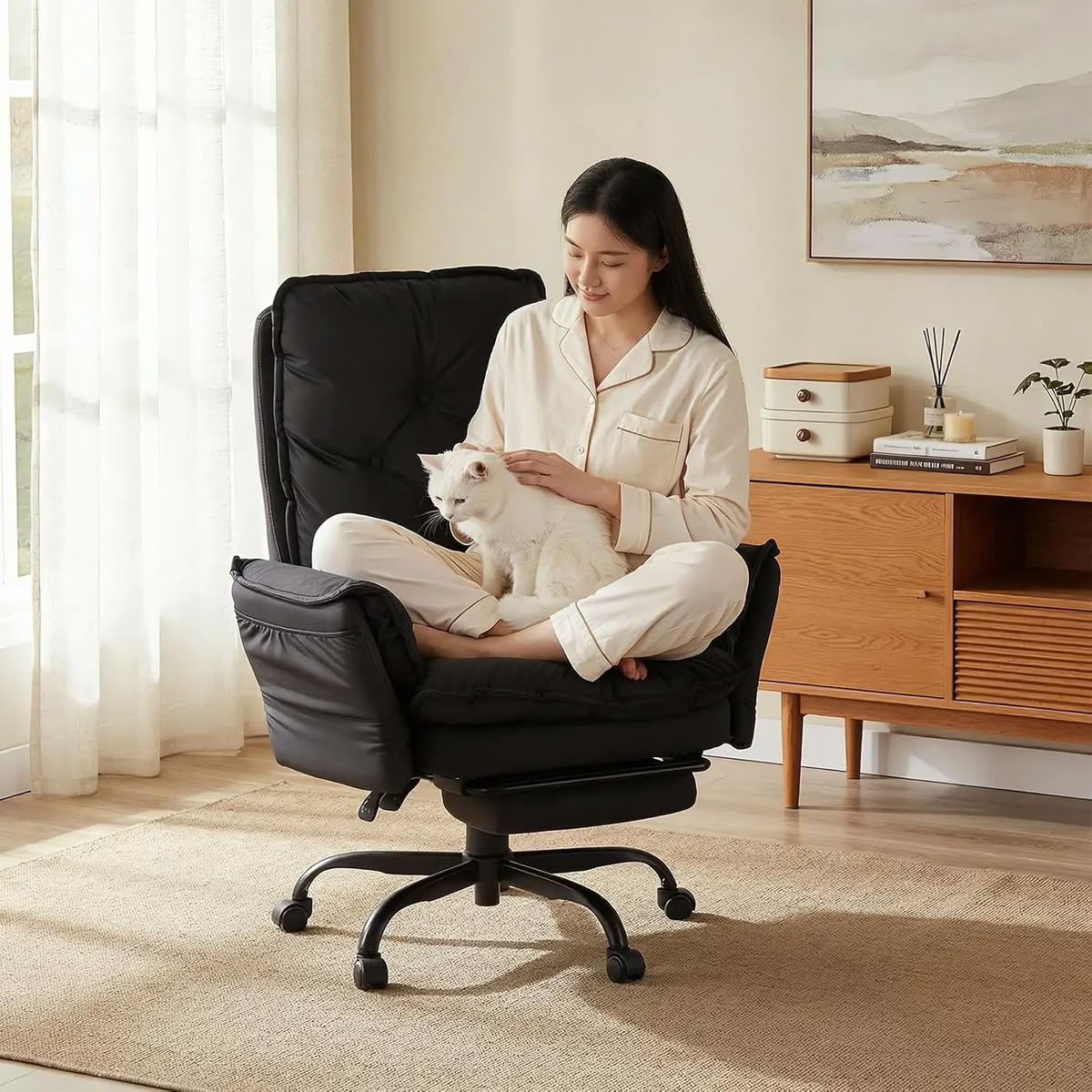
A well-designed space is not only about how it looks. It is also about how effectively every piece of furniture supports the way people live and work.
Seating plays an important role in this balance. The right chair can provide comfort, improve the layout, support different activities, and make a room feel more practical. This is where smart and functional seating becomes valuable.
Whether you are furnishing a home, office, study area, dining space, or commercial environment, functional chairs can help you make better use of the available space while creating a comfortable and attractive atmosphere.
Here is how smart and functional seating can transform your space.
What Is Smart and Functional Seating?
Smart seating focuses on making furniture work more effectively for the people using it.
Instead of being designed only for appearance, functional seating considers comfort, flexibility, practicality, and the needs of the environment.
Depending on the design, functional chairs may include features such as:
- Adjustable height
- Ergonomic support
- Flexible backrests
- Movable components
- Lightweight construction
- Stackable designs
- Space-saving proportions
The right features depend on how and where the chair will be used.
Make Better Use of Available Space
Furniture can have a major impact on how spacious a room feels.
Oversized chairs can make a small room feel crowded, while poorly positioned furniture can make it difficult to move around.
Functional seating allows you to think more strategically about your layout. Compact designs can provide comfortable seating without taking up unnecessary floor space.
This is particularly useful in apartments, home offices, small dining areas, and multipurpose rooms.
Create a More Flexible Room
Modern spaces often need to serve several purposes.
A dining area may also become a workspace. A living room might be used for studying or entertaining guests. An office may need to accommodate meetings, individual work, and collaborative activities.
Functional chairs can make these transitions easier.
Movable or lightweight seating can be rearranged according to the activity, allowing the same room to serve different purposes throughout the day.
Prioritize Everyday Comfort
Smart design should never come at the expense of comfort.
A functional chair should provide appropriate support for the activity it is designed to support. Features such as supportive backrests, comfortable seats, suitable seat heights, and ergonomic shapes can improve the everyday seating experience.
If people are going to spend significant time sitting, comfort should be one of the first considerations when choosing furniture.
Choose Seating Based on the Activity
Different activities require different types of seating.
For example, a workspace may benefit from an ergonomic chair with adjustable features. A dining area may require chairs that are comfortable and easy to maintain. A lounge area may prioritize relaxed seating and supportive designs.
Before choosing a chair, consider what people will actually do in the space.
This simple step can help ensure that the furniture supports the room’s purpose rather than simply filling an empty area.
Make Small Spaces More Functional
Small spaces require thoughtful furniture choices.
Instead of filling a compact room with multiple pieces of specialized furniture, consider versatile chairs that can support different activities.
Stackable or lightweight chairs can also be stored or moved when additional floor space is needed.
With the right seating arrangement, even a small room can feel comfortable, organized, and functional.
Use Seating to Define Different Areas
Chairs can also help create visual zones within a larger room.
For example, a group of chairs around a table can define a dining area, while a pair of comfortable chairs can create a conversation or reading corner.
In an open-plan environment, furniture placement can help separate activities without requiring physical walls.
This makes functional seating useful not only for comfort but also for space planning.
Combine Functionality With Style
Functional furniture does not need to look purely practical.
Modern chairs can combine useful features with attractive shapes, materials, and finishes. This allows you to improve the functionality of a room without compromising its visual appearance.
Consider the existing interior style when choosing seating.
Clean and simple designs can work well in contemporary spaces, while natural materials can add warmth and character to more relaxed interiors.
Consider Ergonomic Features
For spaces where people sit for extended periods, ergonomics can make a meaningful difference.
Look for features that support a comfortable sitting position, such as:
- Supportive backrests
- Appropriate seat height
- Comfortable seat depth
- Adjustable components
- Arm support
- Flexible backrests
The goal is to choose features that suit the user’s activities rather than simply selecting a chair with the largest number of adjustments.
Think About Flexible Furniture
Flexibility is particularly valuable in modern interiors.
Furniture that can be moved, rearranged, stacked, or used in different settings can adapt as your needs change.
A versatile chair may work in a dining area today and be useful in another part of the home later. This adaptability can make furniture more practical over the long term.
Choose Materials That Fit the Environment
The materials used in seating influence its appearance, comfort, durability, and maintenance requirements.
Wood can create a warm and natural atmosphere. Metal can provide a contemporary appearance and a strong structural foundation. Plastic can offer lightweight practicality, while upholstered materials can provide a softer seating experience.
Think about where the chairs will be placed and how frequently they will be used.
The right material should match both the environment and your expectations for maintenance.
Improve Workspace Efficiency
Functional seating can have a particularly strong impact on workspaces.
A well-designed chair can support comfortable desk work while adjustable features can help users create a seating position that works with their desk and equipment.
In flexible offices, movable chairs can also make it easier to transition between individual work, meetings, and collaborative activities.
The result is a workspace that can adapt more easily to different needs.
Make Your Home More Adaptable
Functional seating can also improve everyday living at home.
A single room may need to accommodate work, relaxation, dining, hobbies, and social activities. Choosing versatile chairs can help you create an environment that changes with your routine.
Instead of designing each room around one activity, consider furniture that allows the space to evolve.
This approach can make your home feel more flexible without requiring a large amount of furniture.
Think About Durability
Functionality is only valuable when the furniture can handle regular use.
Consider the chair’s frame, construction, materials, and overall build quality. Chairs used frequently should be able to withstand repeated movement and everyday use.
Durable seating can also provide better long-term value by remaining useful and attractive over time.
Keep Maintenance Practical
Smart furniture should also be convenient to maintain.
Consider how easy the chair is to clean and whether the materials are suitable for the environment. This is particularly important in dining areas, offices, hospitality spaces, and other locations where chairs are used frequently.
Simple maintenance can help keep the seating looking good while reducing the effort required for everyday care.
Create a More Organized Environment
The right seating arrangement can make a room feel more organized.
Avoid placing chairs where they block pathways or interfere with doors and other furniture. Leave enough room for people to sit, stand, and move comfortably.
When furniture is arranged with movement in mind, the entire space can feel more natural and easier to use.
Think Beyond One Room
One advantage of versatile functional seating is that it does not necessarily have to stay in one location forever.
A flexible chair can potentially be moved between different areas depending on your needs.
This can be useful when your lifestyle changes, when you redesign a room, or when you need additional seating for a specific occasion.
Furniture that can adapt provides more possibilities over time.
Choose Functionality That Actually Matters
Smart seating does not mean choosing the chair with the most features.
Instead, identify the features that will genuinely improve your everyday experience.
If you work long hours, ergonomic support may be important. If you frequently rearrange your space, lightweight construction may be more useful. If storage is limited, stackability could be a priority.
The smartest choice is the one that solves a real need.
A Simple Guide to Choosing Smart Functional Seating
Before choosing functional chairs for your space, consider:
- What activities will take place in the room?
- How much space is available?
- How frequently will the chairs be used?
- How long will people typically sit?
- What ergonomic features are needed?
- Does the furniture need to move frequently?
- Would stackable or compact seating be useful?
- Which materials fit the environment?
- How much maintenance is required?
- Does the design complement the existing space?
- Can the seating adapt to future needs?
Answering these questions can help you choose furniture that provides both immediate comfort and long-term practicality.
Final Thoughts
Smart and functional seating can do much more than provide a place to sit. It can improve comfort, make better use of available space, support different activities, and help a room adapt to changing needs.
The key is to choose chairs based on how the space is actually used. Consider functionality, comfort, flexibility, durability, materials, and design together rather than focusing on appearance alone.
With the right functional seating, a simple room can become a more comfortable, efficient, and adaptable environment.
Ready to transform your space? Explore our functional chair collection and discover smart seating designed to combine comfort, practicality, and modern style.