
Blog
The Ultimate Guide to Choosing a Functional Chair

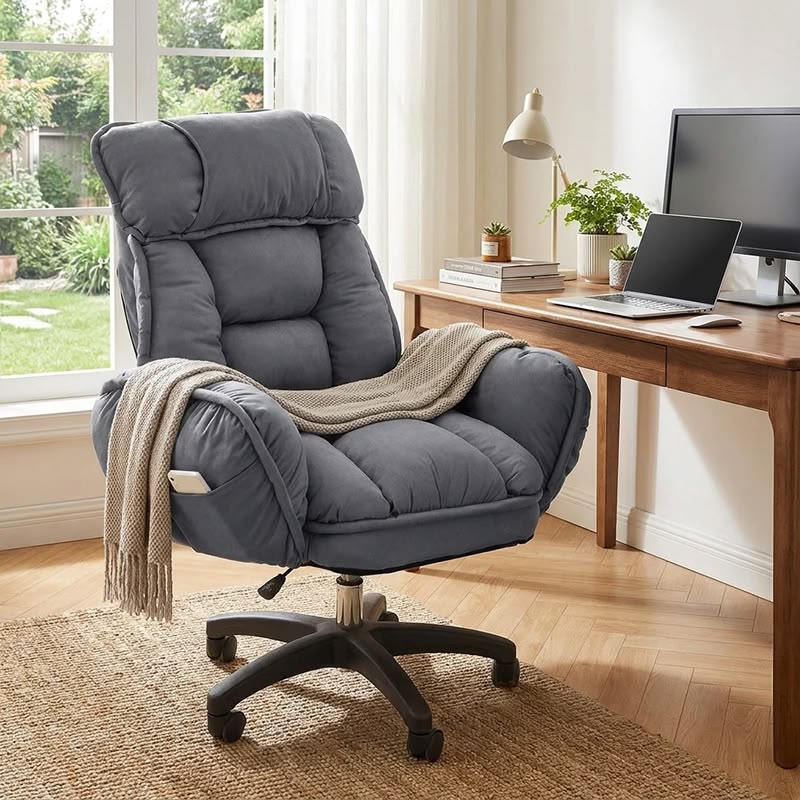
Choosing the right chair can have a major impact on your comfort, productivity, and overall experience in a space. Whether you’re setting up a home office, furnishing a dining room, creating a relaxing corner, or maximizing a small apartment, the right chair should do more than simply look good.
A functional chair combines comfort, practicality, durability, and thoughtful design to meet the needs of everyday life.
With countless styles, materials, and features available, finding the perfect chair can feel overwhelming. This ultimate guide will walk you through everything you need to consider when choosing a functional chair for your space and lifestyle.
What Is a Functional Chair?
A functional chair is designed to provide comfortable and practical seating while serving a specific purpose or adapting to different needs.
Unlike chairs that focus primarily on appearance, functional chairs are designed with usability in mind. Depending on the type, they may feature ergonomic support, adjustable components, durable materials, comfortable cushioning, or space-saving construction.
Common types of functional chairs include:
- Ergonomic office chairs
- Dining chairs
- Lounge chairs
- Study chairs
- Accent chairs
- Folding chairs
- Stackable chairs
- Multifunctional chairs
The best functional chair depends on how you intend to use it.
Why Choosing the Right Chair Matters
A chair is something you may use every day, sometimes for several hours at a time. Choosing the right one can make your space more comfortable and practical.
The wrong chair, on the other hand, may feel uncomfortable, take up too much space, or fail to provide the support you need.
A well-chosen functional chair can help you:
- Create a more comfortable environment
- Support everyday activities
- Make better use of available space
- Complement your interior design
- Adapt your furniture to changing needs
- Get better long-term value from your purchase
The key is to consider both your immediate needs and how those needs may change over time.
1. Determine How You Will Use the Chair
The first step in choosing a functional chair is understanding its primary purpose.
A chair designed for eight hours of desk work will have very different requirements from a chair used for occasional dining.
For Working
If you’re choosing an office chair, prioritize ergonomic support, adjustability, and long-term comfort.
Look for features such as adjustable seat height, lumbar support, a supportive backrest, and comfortable armrests.
For Dining
Dining chairs should provide comfortable seating while fitting appropriately around your dining table.
Consider the chair’s height, width, stability, material, and ease of maintenance.
For Relaxing
If the chair is intended for reading or relaxation, cushioning and back support may be more important than adjustability.
A lounge or accent chair can also add personality to your living room or bedroom.
For Small Spaces
If you live in a compact apartment or have limited floor space, consider foldable, stackable, lightweight, or multifunctional chairs.
These designs can make it easier to adapt your space when your needs change.
2. Prioritize Comfort
Comfort should be one of the most important considerations when choosing a functional chair.
A chair may have an attractive design and useful features, but if it is uncomfortable, you are unlikely to enjoy using it regularly.
Pay attention to several key areas.
Seat Height
Your feet should be able to rest comfortably on the floor while your legs remain in a natural position.
For office chairs, adjustable seat height can make it easier to create a comfortable relationship between your chair, desk, and computer.
Seat Depth
The depth of the seat should provide adequate support without putting uncomfortable pressure behind your knees.
Different body types require different seating dimensions, so consider how the chair feels when you sit in it.
Seat Width
Make sure the chair provides enough room to sit comfortably without making you feel unsupported.
Cushioning
The right level of cushioning depends on how you plan to use the chair.
A lounge chair may benefit from softer cushioning, while an office chair may require firmer support for extended periods of sitting.
3. Consider Ergonomic Support
Ergonomics is particularly important for chairs used for work, study, or other activities that require extended sitting.
A well-designed ergonomic chair can provide support for your back and help you maintain a more comfortable sitting position.
Important ergonomic features may include:
- Adjustable seat height
- Lumbar support
- Supportive backrest
- Adjustable armrests
- Seat depth adjustment
- Reclining functionality
Not everyone needs every feature. Focus on the adjustments that are relevant to your body, workspace, and daily routine.
4. Choose the Right Chair Material
The material of a functional chair affects its appearance, comfort, durability, and maintenance requirements.
Fabric
Fabric chairs can provide a soft and comfortable feel. They are available in many colors, patterns, and textures, making them suitable for a wide range of interiors.
Leather and Faux Leather
Leather and faux leather can provide a polished appearance and are generally easy to wipe clean.
They can work well in offices, dining rooms, and modern interiors.
Wood
Wooden chairs provide a natural and timeless appearance. They can work particularly well in dining areas, living rooms, and minimalist spaces.
Plastic
Plastic chairs can be lightweight, versatile, and easy to clean. Depending on their construction, they can be suitable for dining areas, workspaces, and temporary seating.
Metal
Metal is often used for chair frames because of its strength and durability. Metal elements can also contribute to a modern or industrial aesthetic.
When choosing materials, consider how frequently the chair will be used and the environment where it will be placed.
5. Measure Your Space Before Buying
One of the easiest mistakes to make is choosing a chair without considering the available space.
Before purchasing, measure the area where you plan to place the chair.
Consider the chair’s:
- Width
- Depth
- Height
- Armrest width
- Distance from surrounding furniture
- Required movement space
A chair should provide enough room for comfortable use without making the surrounding area feel crowded.
If you have limited space, compact or multifunctional furniture can help you make better use of every square meter.
6. Consider Your Interior Style
A functional chair should work with the rest of your interior.
Fortunately, functional seating is available in a wide range of styles.
For minimalist interiors, look for simple shapes, clean lines, and neutral materials.
For contemporary spaces, curved silhouettes, bold textures, and modern materials can create visual interest.
For traditional interiors, wooden frames and classic upholstery may provide a more timeless appearance.
The goal is to find a chair that combines functionality with visual harmony.
7. Think About Durability
A functional chair should be able to withstand the level of use you expect.
If you’re purchasing a chair for daily use, pay attention to the construction quality.
Look at the frame, joints, legs, wheels, adjustment mechanisms, and upholstery.
A durable chair can provide better long-term value because it is designed to handle regular use.
Don’t focus solely on how a chair looks when it is new. Consider how it is likely to perform over time.
8. Look for Useful Features
Functional chairs can include a wide range of features, but more features do not always mean a better chair.
Focus on features that solve actual problems.
For an office chair, adjustable height and lumbar support may be useful.
For a small apartment, foldability or stackability may be more valuable.
For dining areas, easy-to-clean materials may be a practical advantage.
For a lounge chair, comfortable cushioning and a supportive backrest may matter most.
Choose functionality based on your lifestyle rather than simply choosing the chair with the longest feature list.
9. Consider Flexibility and Multifunctionality
Modern homes often serve multiple purposes.
A dining table can become a workspace. A living room can become an entertainment area. A bedroom can include a study corner.
This makes multifunctional chairs increasingly useful.
A lightweight chair can be moved between rooms. A foldable chair can be stored when it is not needed. A versatile accent chair can work in multiple areas of the home.
Furniture that adapts to different situations can provide greater value and flexibility.
10. Think About Maintenance
A chair that looks beautiful but requires complicated maintenance may not be practical for your lifestyle.
Before buying, consider how easy it will be to clean the material.
For busy households, easy-to-clean upholstery or surfaces can make everyday maintenance simpler.
Always follow the manufacturer’s care instructions to protect the chair and extend its lifespan.
Regular cleaning can also help preserve the chair’s appearance and comfort over time.
11. Set a Realistic Budget
Your budget will naturally influence your options, but price should not be the only factor.
Instead of looking for the cheapest chair available, consider the overall value it provides.
A more durable chair with better materials and useful ergonomic features may provide greater long-term value than a lower-cost chair that needs to be replaced frequently.
When comparing prices, consider:
- Materials
- Construction quality
- Comfort
- Features
- Durability
- Maintenance
- Warranty
- Expected frequency of use
The goal is to find a chair that meets your needs without compromising on important qualities.
12. Test the Chair Whenever Possible
If you have the opportunity to try a chair before purchasing it, take advantage of it.
Sit in the chair for several minutes and pay attention to how your body feels.
Check whether:
- Your feet can reach the floor comfortably
- The seat feels supportive
- Your back receives adequate support
- Your arms can rest naturally
- The chair feels stable
- The dimensions suit your body
For office chairs, test the available adjustments and make sure they work smoothly.
If you’re purchasing online, carefully review the product dimensions, specifications, return policy, and customer reviews before making your decision.
Common Mistakes to Avoid
Choosing a functional chair becomes easier when you know what mistakes to avoid.
Choosing Looks Over Function
A beautiful chair may not necessarily be comfortable or practical.
Make sure the chair’s appearance is supported by features that suit your everyday needs.
Ignoring Measurements
Never assume a chair will fit your space based only on product photos.
Always check the dimensions before purchasing.
Choosing the Wrong Height
Chair height should work with your desk, table, or other furniture.
An incorrectly sized chair can make everyday activities less comfortable.
Overlooking Maintenance
Consider how much time you’re willing to spend cleaning and maintaining the chair.
Choose materials that fit your lifestyle.
Buying More Features Than You Need
Additional features can be useful, but unnecessary features can increase complexity and cost.
Focus on functionality that provides real value.
Functional Chairs for Different Spaces
There is no single chair that is perfect for everyone.
Different spaces require different solutions.
Home Office
Choose an ergonomic chair that provides adjustable support for extended periods of work.
Dining Room
Look for comfortable, stable chairs that fit the height and style of your dining table.
Living Room
Prioritize comfort, cushioning, and a design that complements your existing furniture.
Bedroom
Choose a compact chair that can create a comfortable reading or relaxation area.
Small Apartment
Look for space-saving, foldable, stackable, or multifunctional designs.
Study Area
Choose a supportive chair that works well with your desk and allows comfortable movement during extended study sessions.
What Makes a Functional Chair a Good Investment?
A functional chair can be a valuable investment when it successfully combines several important qualities.
It should be comfortable enough for regular use, practical enough to meet your needs, durable enough to withstand everyday activities, and attractive enough to complement your space.
The right chair should also provide value beyond its initial purchase.
A versatile chair that can adapt to changing needs may remain useful even when your lifestyle or living arrangement changes.
Final Thoughts
Choosing the perfect functional chair doesn’t have to be complicated.
Start by identifying how you will use the chair and where it will be placed. Then consider comfort, ergonomic support, materials, dimensions, durability, functionality, maintenance, design, and budget.
The best functional chair is not necessarily the most expensive or the one with the most features. It is the one that provides the right combination of comfort, practicality, style, and value for your specific needs.
Whether you’re creating a productive home office, furnishing a dining room, upgrading your living space, or making the most of a small apartment, the right chair can make your space more comfortable and functional.
Ready to find the right functional chair for your space? Explore our collection and discover seating designed to combine comfort, style, and everyday practicality.