
Blog
The Perfect Armchair Size for Your Living Room

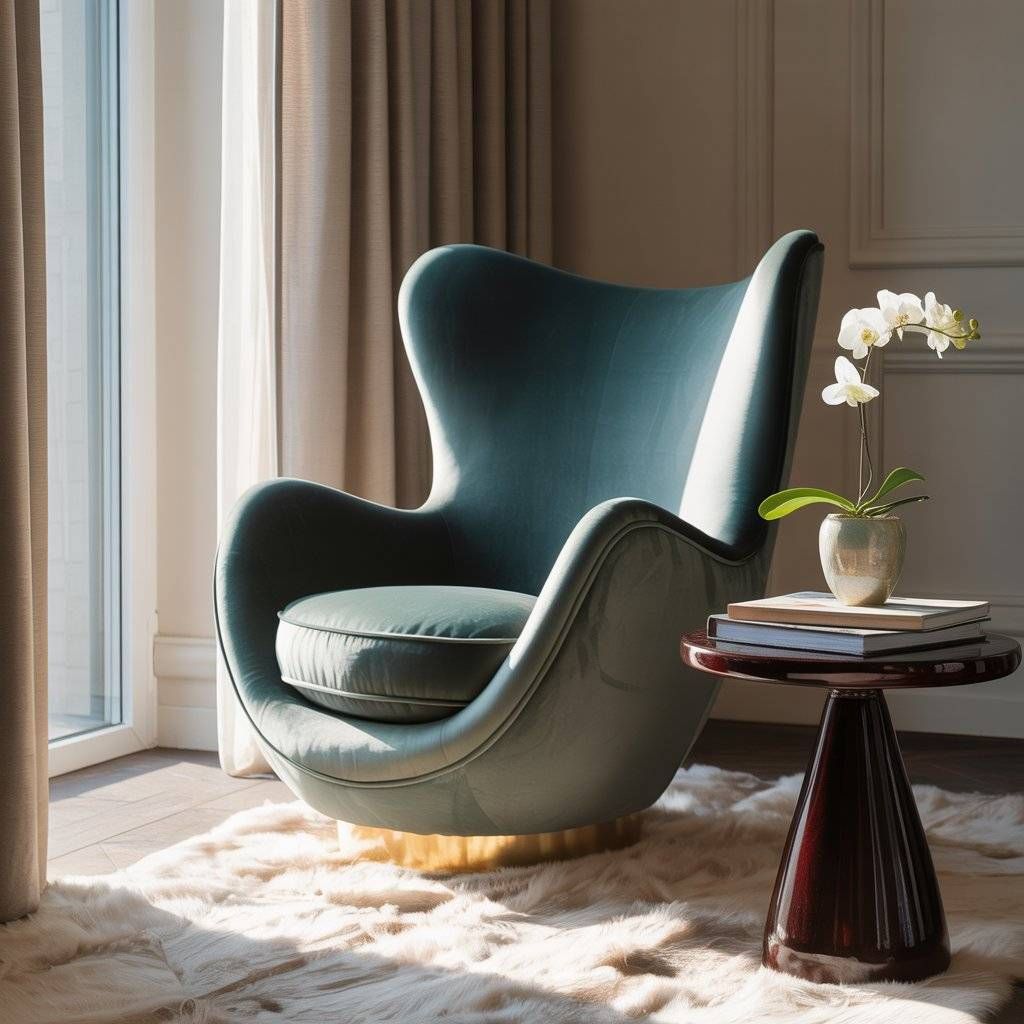
Choosing the right armchair size can make a big difference in how comfortable, functional, and balanced your living room feels. An armchair that is too large can make the room feel cramped, while one that is too small may look out of place or provide less comfort than expected.
The perfect armchair size depends on several factors, including your living room dimensions, existing furniture, available floor space, and how you plan to use the chair. Understanding standard armchair dimensions can help you choose a piece that fits naturally into your interior.
Why Armchair Size Matters
An armchair is more than an extra seat. It can become a focal point, reading chair, conversation seat, or comfortable place to relax. Because of this, its proportions should work well with the rest of your living room.
The right armchair size should provide enough seating space without taking up unnecessary floor area. It should also leave sufficient room for people to walk around the furniture comfortably.
A well-sized armchair can help create a balanced layout while making your living room feel more inviting.
Understanding Standard Armchair Dimensions
Before buying an armchair, it is useful to understand the basic measurements. Although dimensions vary depending on the design, many armchairs fall within common size ranges.
A typical armchair may have:
- Overall width: approximately 70–100 cm
- Overall depth: approximately 75–100 cm
- Overall height: approximately 80–100 cm
- Seat height: approximately 40–50 cm
- Seat width: approximately 45–65 cm
- Seat depth: approximately 45–60 cm
These measurements are general guidelines rather than strict rules. A compact accent chair may be smaller, while a large lounge chair may have a considerably deeper seat.
Choosing an Armchair Size for a Small Living Room
Small living rooms require careful furniture selection. A large armchair can quickly take up valuable floor space and make movement around the room difficult.
For a compact living room, consider an armchair with a narrower width and a relatively shallow depth. Designs with slim arms and raised legs can also create a lighter visual appearance.
Look for features such as:
- Compact proportions
- Slim armrests
- Moderate seat depth
- Exposed or elevated legs
- Simple silhouettes
- Light or neutral upholstery
A smaller armchair can still provide excellent comfort without overwhelming the room.
The Ideal Armchair Size for a Large Living Room
A spacious living room gives you more flexibility when choosing furniture. However, selecting a chair that is too small can make a large room feel empty or visually unbalanced.
A larger armchair or lounge chair can help fill unused space while creating a comfortable seating area. Consider a wider seat, deeper cushions, or a substantial frame if you have plenty of available floor space.
Large armchairs work particularly well when paired with a generous sofa, coffee table, and other appropriately scaled furniture.
Consider Your Sofa Size
Your armchair should complement your sofa rather than compete with it.
If you have a compact two-seater sofa, a medium-sized armchair may create a balanced arrangement. For a large sectional sofa, you may want a wider or more substantial armchair to maintain visual proportion.
The height of the furniture is also important. An extremely tall armchair next to a low-profile sofa can create an uneven appearance.
The goal is not necessarily to match the dimensions exactly. Instead, choose pieces with proportions that feel harmonious together.
Leave Enough Space Around the Armchair
Finding the right armchair dimensions is only part of the process. You also need to consider the space surrounding the chair.
Leave enough clearance for people to move comfortably around the furniture. Avoid placing the armchair so close to a coffee table, sofa, wall, or doorway that it becomes difficult to use.
When planning your layout, consider:
- Walking paths
- Distance from the coffee table
- Space between the chair and sofa
- Door and window access
- Nearby furniture
- The chair’s reclining or rocking movement, if applicable
Measuring the entire layout before purchasing can prevent common space-planning problems.
Choose the Right Seat Height
Seat height has a major impact on comfort. A seat that is too low can make standing up difficult, while a seat that is too high may leave your feet unsupported.
For many people, a seat height of around 40–50 cm is a comfortable starting point. However, your height and preferred sitting position should also be considered.
If you plan to use the armchair for reading or relaxing, test the chair whenever possible. Your feet should rest comfortably on the floor, and your knees should feel naturally positioned.
Pay Attention to Seat Depth
Seat depth is especially important when choosing a comfortable armchair.
A deeper seat can provide a relaxed, lounge-style experience, making it suitable for reading, watching television, or taking a break. However, a very deep seat may not be comfortable for shorter users because their feet may not sit properly on the floor.
A shallower seat can provide a more upright sitting position and may work better for smaller spaces or people who prefer more support.
Think about how you normally sit before choosing the depth of your armchair.
Armchair Size for a Reading Corner
If your armchair will be used as a reading chair, comfort should be a priority. You may want a slightly deeper seat, supportive backrest, and enough width to change sitting positions.
A compact reading corner does not necessarily require a large chair. A well-proportioned armchair paired with a small side table and floor lamp can create a comfortable space without taking up much room.
Make sure the chair can be positioned without blocking doors, windows, or main walkways.
Armchair Size for a Conversation Area
For a living room designed around conversation, consider how the armchair relates to the sofa and other seating.
A pair of medium-sized armchairs can be positioned opposite a sofa or angled toward it. This arrangement creates a more social layout and makes it easier for people to interact.
Avoid oversized chairs if they make the conversation area feel crowded. The furniture should allow people to see and speak to each other comfortably.
Consider the Armchair’s Shape
Two armchairs with similar measurements can look completely different depending on their shape.
A bulky chair with wide arms can appear larger than its actual dimensions. In contrast, a chair with slim arms and an open base may look more compact.
Curved armchairs can create a softer appearance, while angular designs may provide a more structured look. Low-profile lounge chairs can also work well in contemporary interiors.
When choosing a size, consider both the physical measurements and the visual weight of the design.
Measure Your Living Room Before Buying
One of the easiest ways to choose the right armchair size is to measure your space first.
Measure the area where you plan to place the chair and note the width and depth available. Then consider how much space needs to remain open around it.
You can also use masking tape on the floor to outline the approximate dimensions of the armchair. This simple method gives you a better idea of how much floor space the chair will occupy before you buy it.
Don’t forget to measure doorways, hallways, stairways, and elevators if the armchair needs to be carried into an apartment or upper-floor room.
Think About the Room’s Overall Proportion
Furniture should be proportional to the room.
A small armchair may disappear visually in a large living room, while an oversized chair can dominate a compact space. Consider the size of your sofa, coffee table, TV unit, rug, and other furniture when choosing an armchair.
For a balanced interior, avoid having every piece of furniture compete for attention. One statement armchair can work beautifully when the rest of the room has simpler proportions.
Choose an Armchair Based on How You Use It
The perfect armchair size also depends on its purpose.
For occasional seating, a compact accent chair may be enough. For everyday relaxation, you may prefer a larger lounge-style design with generous cushioning.
Consider whether you will use the chair for:
- Reading
- Watching television
- Working
- Relaxing
- Hosting guests
- Decorative purposes
- Everyday seating
A chair designed for occasional use does not necessarily need the same dimensions as one intended for several hours of daily sitting.
Don’t Forget the Armrest Size
Armrests contribute to both comfort and the overall width of an armchair.
Wide armrests can provide excellent support but may increase the amount of floor space required. Slim armrests can make a chair feel more compact while providing a modern appearance.
If your living room is small, choosing an armchair with streamlined arms can be an effective way to maximize seating without adding unnecessary bulk.
Match the Armchair to Your Interior Style
Size and style should work together.
Modern living rooms often look good with clean-lined, medium-sized armchairs. Scandinavian interiors may benefit from compact chairs with wooden legs and simple upholstery. Traditional spaces can accommodate larger chairs with more substantial frames.
For a contemporary lounge area, an oversized armchair can become a statement piece, especially when balanced with a spacious sofa and open floor plan.
Common Armchair Size Mistakes to Avoid
Choosing an armchair based only on appearance can lead to practical problems. Some common mistakes include:
Buying Without Measuring
A chair may look perfect online but be too large for your room. Always check its actual dimensions before purchasing.
Ignoring Seat Depth
A deep chair may look comfortable but could be difficult to use if the seat does not suit your height.
Forgetting Clearance
Don’t measure only the chair itself. Consider the walking space around it and the movement of nearby furniture.
Choosing a Chair That Is Too Small
In a large living room, a tiny chair may look disconnected from the rest of the furniture.
Focusing Only on Width
Overall width is important, but depth and height also influence how the chair fits and feels.
How to Find the Perfect Armchair Size
The perfect armchair size is ultimately the one that fits your space, supports your preferred sitting position, and complements your existing furniture.
Before making a purchase, measure your living room, identify the available floor area, and compare the armchair’s overall dimensions with your sofa and other furniture. Think about how much clearance you need and how you plan to use the chair.
For smaller rooms, prioritize compact proportions and efficient designs. For larger rooms, consider more generous dimensions that help create a balanced seating arrangement.
Final Thoughts
Finding the perfect armchair size for your living room is about more than choosing a chair that fits physically. The right dimensions can improve comfort, movement, visual balance, and the overall atmosphere of your interior.
By considering armchair width, depth, height, seat dimensions, clearance, and room proportions, you can choose a chair that feels natural within your space. Whether you need a compact accent chair for a small apartment or a spacious lounge chair for a large living room, careful measurement will help you make a confident choice.