
Blog
A Complete Guide to Finding the Right Armchair

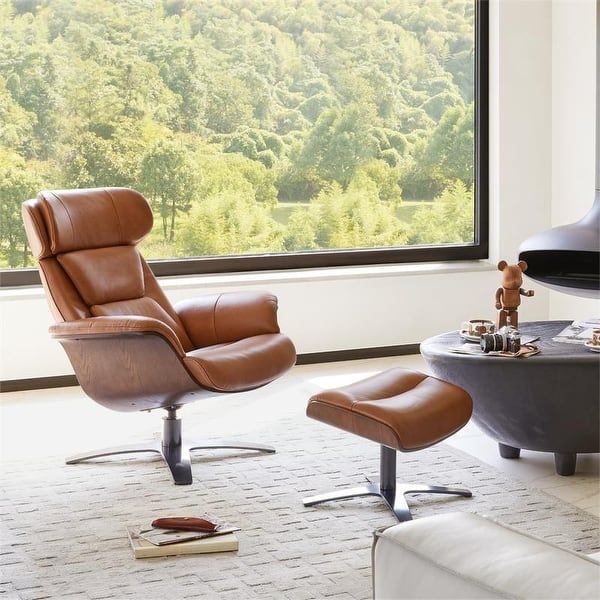
Finding the right armchair can make a noticeable difference to the comfort, style, and functionality of your living space. Whether you need a cozy reading chair, an extra seat for your living room, or a statement piece for your interior, choosing the right armchair requires more than simply picking a design you like.
The best armchair should suit your space, support your body comfortably, complement your existing furniture, and match the way you use it every day. From armchair size and materials to colors and styles, there are several factors worth considering before making a purchase.
This complete guide will help you understand how to choose the right armchair for your home.
Why Choosing the Right Armchair Matters
An armchair can serve many purposes in a home. It can provide additional seating, create a relaxing corner, or become an attractive focal point in a room.
However, the wrong chair can make a space feel crowded or uncomfortable. An oversized armchair may overwhelm a small living room, while a poorly designed chair may look attractive but provide inadequate support.
Choosing the right armchair means finding a balance between:
- Comfort
- Size
- Functionality
- Style
- Material
- Color
- Durability
- Room layout
Considering these factors will help you choose an armchair that works well both practically and visually.
Consider Where You Will Place the Armchair
The first step is to determine where the armchair will be used.
An armchair for a living room may have different requirements from one designed for a bedroom or reading corner.
Living Room
For a living room, consider an armchair that complements your sofa and creates a comfortable seating arrangement. You can place it beside the sofa, opposite it, or at an angle to create a more dynamic layout.
Bedroom
A compact armchair can create a comfortable seating area in a bedroom. Choose a size that does not interfere with wardrobes, beds, or walking paths.
Reading Corner
A reading chair should prioritize comfort. Look for supportive backrests, comfortable cushions, and a seat depth that allows you to sit for longer periods.
Home Office
If you plan to use an armchair for occasional work or meetings, consider a design that provides good back and arm support while fitting naturally into your workspace.
Choose the Right Armchair Size
Armchair size is one of the most important factors to consider.
Before buying, measure the available space and compare it with the chair’s overall width, depth, and height. Don’t forget to consider the clearance around the chair.
A typical armchair may have an overall width of around 70–100 cm, a depth of approximately 75–100 cm, and a height of roughly 80–100 cm. However, dimensions vary significantly depending on the style and design.
For a small room, choose a compact armchair with slim arms and a moderate depth. For a large room, a wider lounge chair may provide better visual balance.
Measure Your Space Before Buying
Never rely only on photographs when selecting furniture. A chair that looks compact online can feel much larger when placed inside your room.
Measure:
- The available floor space
- Doorways
- Hallways
- Staircases
- Distance between furniture
- Ceiling height if the chair has a tall back
You can also mark the approximate dimensions of the chair on the floor using masking tape. This helps you visualize how much space it will occupy.
Pay Attention to Seat Height
Seat height affects how easily you can sit down and stand up.
A seat height of approximately 40–50 cm is common for many armchairs, but the ideal height depends on your body proportions and preferred sitting position.
When seated, your feet should rest comfortably on the floor. Your knees should also be positioned naturally rather than being noticeably higher or lower than your hips.
If possible, test the chair before purchasing it.
Check the Seat Depth
Seat depth is another important consideration when choosing a comfortable armchair.
A deeper seat is often suitable for relaxing, lounging, or reading. It allows you to sit back and change positions comfortably.
However, a very deep seat may not provide the right support for shorter users. If your legs do not reach the floor comfortably, the chair may feel awkward even if its cushions are soft.
For a more upright sitting position, consider a chair with moderate seat depth.
Consider the Backrest
The backrest should provide enough support for your preferred sitting position.
A high-back armchair can provide more support for your shoulders, neck, and upper back. It can also create a more substantial appearance.
A low-back or mid-back armchair tends to have a lighter, more contemporary look and may work well in minimalist interiors.
Consider both comfort and visual proportion when choosing the backrest height.
Look at the Armrests
Armrests can influence both comfort and the overall size of the chair.
Wide armrests can provide excellent support but may increase the chair’s overall width. Slim armrests can help save space and create a cleaner appearance.
Think about how you naturally rest your arms when sitting. The armrests should feel comfortable without forcing your shoulders into an unnatural position.
Choose the Right Armchair Style
Armchairs are available in many styles, so choose one that complements your interior.
Modern Armchair
Modern armchairs typically feature clean lines, simple shapes, and practical proportions. They work well in contemporary living spaces.
Scandinavian Armchair
Scandinavian designs often combine simple forms, light-colored upholstery, and wooden elements. They are suitable for interiors that prioritize simplicity and warmth.
Mid-Century Modern Armchair
Mid-century modern chairs often feature tapered legs, curved details, and distinctive silhouettes. They can add character without making a room feel overly decorative.
Traditional Armchair
Traditional armchairs often feature substantial frames, detailed upholstery, and classic shapes. They can work well in elegant or timeless interiors.
Lounge Armchair
Lounge chairs generally emphasize relaxation with generous cushioning, supportive backrests, and deeper seats.
Select a Suitable Material
The upholstery material affects the appearance, comfort, maintenance, and durability of an armchair.
Fabric
Fabric armchairs are versatile and available in many colors and textures. They are a popular option for everyday living spaces.
Leather
Leather offers a sophisticated appearance and can develop a distinctive character over time. It is also relatively easy to wipe clean when properly maintained.
Velvet
Velvet creates a soft, luxurious appearance and can work particularly well as an accent chair.
Linen
Linen offers a natural, relaxed look that works well with minimalist, coastal, and Scandinavian interiors.
Bouclé
Bouclé has a textured surface that can make an armchair feel soft and visually inviting. It is often used in contemporary interiors.
Choose a material based on your lifestyle, maintenance preferences, and overall interior design.
Think About Durability
The right armchair should be able to handle the level of use you expect.
If the chair will be used every day, look for durable upholstery, a sturdy frame, quality cushioning, and reliable joints.
If it is primarily decorative or used occasionally, you may have more flexibility when selecting delicate fabrics or specialized designs.
Always consider how frequently the armchair will be used before choosing its materials and construction.
Choose a Comfortable Cushion
Cushion firmness is largely a matter of personal preference.
Soft cushions can create a relaxed and cozy feeling, while firmer cushions can provide more structured support.
Pay attention to how quickly the cushion returns to its original shape after you sit down. Quality cushioning can help maintain both comfort and appearance over time.
If the cushions are removable, check whether they can be rotated or maintained easily.
Match the Armchair With Your Sofa
Your armchair does not have to perfectly match your sofa. In fact, using a complementary design can create a more interesting interior.
You can coordinate the pieces through:
- Similar colors
- Complementary tones
- Matching materials
- Similar design details
- Consistent proportions
For example, a neutral sofa can be paired with a textured accent armchair to create visual interest without making the room feel disconnected.
Choose the Right Armchair Color
Color can significantly influence how an armchair looks within a room.
Neutral colors such as beige, gray, cream, and brown are versatile and easy to coordinate. Dark shades such as black or deep green can create a stronger visual statement.
If your existing furniture is mostly neutral, a blue, green, terracotta, or mustard armchair can introduce a subtle accent.
Before choosing a color, consider your walls, flooring, curtains, rugs, and other furniture.
Consider the Armchair’s Visual Weight
Two chairs with similar dimensions can look very different because of their shape and construction.
A chair with thick arms, heavy upholstery, and a solid base can appear larger than its actual measurements.
In contrast, an armchair with slim arms, exposed legs, and an open base may feel visually lighter.
This is particularly important when furnishing a small living room.
Think About Maintenance
Your lifestyle should influence the armchair you choose.
If you have children or pets, durable and easy-to-clean upholstery may be more practical. If the chair will be placed in a low-traffic area, you may have more freedom to choose delicate materials.
Before buying, check the manufacturer’s cleaning and maintenance recommendations.
Regular vacuuming, prompt spill removal, and appropriate upholstery care can help keep your armchair looking good for longer.
Consider the Frame Construction
A strong frame is essential for a durable armchair.
Wooden frames are widely used and can provide a solid foundation. Metal may be used in some modern designs for a sleek appearance and structural support.
Pay attention to the construction of the joints and the overall stability of the chair. A well-made frame should feel sturdy rather than loose or unstable when you sit down.
Think About Your Personal Comfort
There is no single armchair that will feel perfect for everyone.
Your height, body proportions, preferred sitting position, and daily habits all influence which design will be most comfortable.
Ask yourself:
- Do I prefer an upright or relaxed sitting position?
- Do I need a deep seat?
- Do I prefer firm or soft cushions?
- Do I need a high backrest?
- Will I sit in the chair for long periods?
- Do I need wide armrests?
Answering these questions can make your search much easier.
Consider the Room Layout
The right armchair should improve your room layout rather than interfere with it.
Avoid placing the chair directly in the middle of a major walkway. Make sure there is enough room to move around it comfortably.
For conversation areas, angle the armchair slightly toward the sofa. For a reading corner, position it near a window or floor lamp if appropriate.
A thoughtful placement can make even a compact armchair feel like an intentional part of the room.
Set a Realistic Budget
Armchair prices can vary significantly depending on the materials, construction, brand, and design.
Set a budget before shopping, but consider the chair as a long-term piece of furniture rather than focusing only on the initial price.
A well-constructed armchair with durable materials may provide better long-term value than a cheaper chair that needs to be replaced frequently.
Common Mistakes When Choosing an Armchair
Avoid these common mistakes when shopping for an armchair:
Choosing Based Only on Appearance
A beautiful chair may not necessarily be comfortable. Always consider ergonomics and construction.
Ignoring Measurements
Never purchase an armchair without checking its exact dimensions.
Forgetting the Room Layout
A chair may fit physically but still block walkways or make the room difficult to use.
Selecting the Wrong Material
Choose upholstery based on your lifestyle, cleaning preferences, and expected level of use.
Ignoring Proportion
Consider how the chair’s size and visual weight relate to your sofa and other furniture.
A Simple Checklist Before Buying
Before purchasing your armchair, check the following:
- Measure the available space.
- Check the chair’s overall dimensions.
- Consider seat height and depth.
- Test the comfort if possible.
- Examine the upholstery material.
- Check the frame construction.
- Think about maintenance requirements.
- Compare the chair with your existing furniture.
- Consider the room’s color scheme.
- Make sure it fits your lifestyle and budget.
Final Thoughts
Finding the right armchair is about balancing comfort, functionality, style, and proportion. The perfect choice should fit your living space while also supporting the way you actually use your home.
Start by measuring your space, then consider armchair dimensions, seat comfort, materials, durability, color, and design. Don’t forget to think about your existing sofa and overall room layout.
With careful planning, you can find an armchair that not only looks beautiful but also becomes a comfortable and practical part of your interior for years to come.