
Blog
The Unexpected Focal Point: Making a Reading Chair Stand Out in Your Living Room

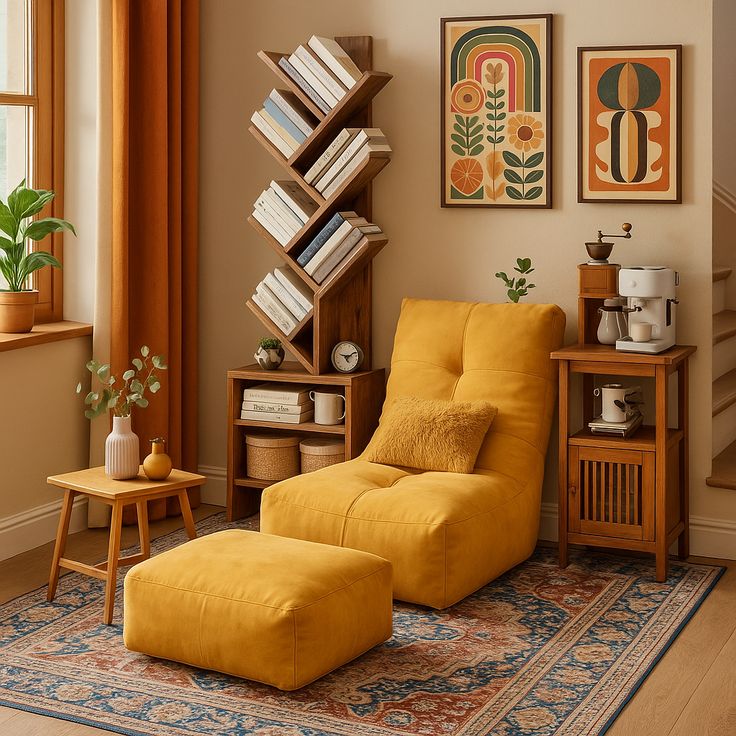
A living room often has an obvious focal point, such as a large sofa, fireplace, television, artwork, or statement coffee table. However, an unexpected piece of furniture can sometimes create an even more interesting visual feature. A reading chair, for example, can become a stylish focal point when it is chosen and positioned thoughtfully.
A reading chair does not have to blend quietly into the background. With the right color, shape, placement, lighting, and accessories, it can become one of the most eye-catching elements in the room while still providing a comfortable place to relax.
Whether your living room has a minimalist design or a more layered interior, there are many ways to make a reading chair stand out without making the space feel overwhelming. Here are practical ideas for turning a simple reading chair into a stylish focal point.
1. Choose a Distinctive Chair Design
The easiest way to make a reading chair stand out is to choose a design with visual character.
Look for interesting silhouettes, curved backs, sculptural arms, unique legs, or distinctive upholstery. A chair with a strong shape can attract attention even when it has a neutral color.
However, the design should still provide the comfort you need. A statement chair should not sacrifice functionality simply for appearance.
2. Use a Contrasting Color
Color can instantly draw attention to a reading chair. If your living room has mostly neutral furniture, a chair in a contrasting shade can become a natural focal point.
For example, a warm-toned chair can stand out against a light neutral interior, while a deep green, navy, or brown chair can create contrast in a brighter room.
The goal is not necessarily to choose the brightest color. A subtle contrast can be just as effective while maintaining a sophisticated appearance.
3. Try a Bold Upholstery
Upholstery is another way to make a reading chair visually interesting. Textured fabrics, subtle patterns, or distinctive materials can give the chair more personality.
Velvet can create a luxurious appearance, while woven or textured fabric can make the chair feel warm and inviting.
If you choose patterned upholstery, keep some of the surrounding décor relatively simple so the chair does not compete with too many other visual elements.
4. Place the Chair in a Strategic Location
Even a beautiful chair may go unnoticed if it is placed in an awkward location.
Position the reading chair where it can naturally attract attention. A corner near a window, beside a bookshelf, or slightly separated from the main sofa can work well.
You can also angle the chair toward the center of the room. This creates a stronger visual connection with the rest of the furniture.
5. Create a Reading Corner Around It
A reading chair becomes more noticeable when it is part of a complete reading corner.
Place a small side table next to the chair and add a floor lamp for practical lighting. A rug underneath the chair can visually define the area.
This creates a small, intentional zone that naturally attracts attention without requiring additional decorative objects.
6. Use Lighting to Highlight the Chair
Lighting can dramatically influence how a reading chair looks. A floor lamp positioned beside the chair can make the area feel warmer while drawing attention to the furniture.
Pendant lights or wall sconces can also be used to highlight a reading corner, depending on the room’s layout.
During the day, natural light can serve the same purpose. Positioning the chair near a window can make it stand out naturally.
7. Add a Statement Floor Lamp
A reading chair and floor lamp can work together as a visual pair. Instead of choosing a completely ordinary lamp, consider a design with an interesting shape or material.
A sculptural floor lamp can add height to the corner while providing useful reading light.
Make sure the lamp complements rather than overwhelms the chair. Both pieces should contribute to the overall design.
8. Use a Rug to Define the Area
A rug can help separate the reading chair visually from the rest of the living room.
Choose a rug that is large enough to anchor the chair and nearby table. A subtle pattern can add interest, while a neutral texture can enhance a minimalist interior.
The rug should complement the chair rather than compete with it. If the chair already has a bold pattern, consider a simpler rug.
9. Add a Complementary Side Table
A side table may seem like a small detail, but it can help complete the reading chair arrangement.
Choose a table with a shape or material that complements the chair. For example, a round table can soften a chair with strong straight lines, while a wooden table can add warmth to upholstered furniture.
Keep the table functional by using it for books, a drink, a lamp, or a small decorative object.
10. Style the Chair With a Throw
A carefully chosen throw can make a reading chair look more inviting and visually interesting.
Drape the throw casually over one arm or the back of the chair. Choose a color or texture that complements the upholstery.
A throw is particularly useful for adding contrast. A textured blanket can introduce another layer of visual depth without changing the chair itself.
11. Add One or Two Decorative Cushions
Cushions can help emphasize the design of a reading chair. Choose patterns, colors, or textures that connect the chair to other elements in the room.
For example, a cushion can repeat the color of a rug, artwork, or curtains.
Avoid adding too many cushions. The chair should remain comfortable and usable rather than becoming overloaded with accessories.
12. Use Artwork Behind the Chair
The wall behind a reading chair provides an excellent opportunity to create a stronger focal point.
Hang a large piece of artwork above the chair or create a small gallery arrangement. Choose artwork that complements the chair’s colors and style.
A framed print, abstract artwork, photograph, or decorative wall piece can make the entire reading area feel more intentional.
13. Place a Bookshelf Nearby
A bookshelf can reinforce the purpose of the reading chair while adding visual interest.
A tall bookshelf positioned beside the chair can create a strong vertical element. A small bookshelf can work well in a compact reading corner.
Organize books by size, color, or category, and leave some open space for decorative objects. Avoid overcrowding the shelves.
14. Use Plants to Add Contrast
Plants can make a reading chair stand out while introducing a natural element to the room.
A tall plant placed beside the chair can fill vertical space and create an attractive contrast with the furniture.
Smaller plants can be placed on a side table or nearby shelf.
Choose plants based on the available light and the amount of maintenance you are comfortable with.
15. Choose an Interesting Chair Shape
Color is not the only way to make a reading chair stand out. Shape can be just as powerful.
A curved lounge chair, wingback chair, barrel chair, or sculptural armchair can create visual interest even in a neutral color.
Consider the shapes already present in the living room. A rounded chair can soften a room dominated by straight lines, while a structured chair can add definition to a softer interior.
16. Create Contrast With the Sofa
Your reading chair does not need to match the sofa exactly. In fact, some contrast can make both pieces more visually interesting.
If your sofa has a simple silhouette, choose a reading chair with more distinctive details. Alternatively, pair a patterned sofa with a solid-color chair.
Use one or two shared elements, such as color, material, or texture, to keep the combination cohesive.
17. Use a Different Material
Introducing a different material can help a reading chair stand out.
For example, a leather chair can add contrast to a fabric sofa, while a wooden-frame chair can bring natural warmth into a room filled with upholstered furniture.
Material contrast adds depth without necessarily requiring bold colors.
18. Keep the Surrounding Area Simple
Sometimes the best way to make a reading chair stand out is to give it enough visual space.
Avoid filling the area around the chair with too many decorative objects. A crowded corner can make individual pieces difficult to appreciate.
Instead, allow the chair to breathe. A simple arrangement with a lamp, side table, and small rug may be enough.
19. Coordinate With the Room’s Color Palette
A standout reading chair does not have to clash with the rest of the room.
Choose a color that is already present in subtle details throughout the living room. For example, if your artwork includes muted green, you could choose a chair in a similar tone.
This creates a visual connection while allowing the chair to remain distinctive.
20. Use the Chair as a Visual Anchor
A reading chair can help anchor an otherwise empty area of the living room.
Place it in a corner or open section that needs more visual weight. Surround it with a few complementary elements to create a balanced arrangement.
The chair can then serve as both a functional seat and an important part of the room’s overall composition.
Reading Chair Focal Point Ideas for Small Living Rooms
A small living room does not mean you have to avoid statement furniture. The key is choosing the right scale.
Look for a compact reading chair with a visually interesting silhouette. Pair it with a slim side table and a narrow floor lamp.
Instead of using multiple decorative accessories, let one strong element, such as the chair’s color or shape, create the visual impact.
Light-colored walls and an uncluttered layout can also help the chair stand out without making the room feel smaller.
Reading Chair Focal Point Ideas for Large Living Rooms
Large living rooms offer more opportunities to create a dedicated focal area.
You can use a spacious lounge chair with an ottoman, side table, floor lamp, and large rug. Position the arrangement away from the main sofa to create a distinct relaxation zone.
A pair of reading chairs can also create a strong secondary focal point. Place them near a window or fireplace to create an attractive conversation and reading area.
How to Balance a Statement Reading Chair
A statement chair should attract attention without making the entire room feel unbalanced.
If the chair has a bold color, keep nearby accessories relatively subtle. If the chair has a distinctive shape, choose simpler furniture around it.
Repeat one element from the chair elsewhere in the room. This could be a color, material, texture, or design detail.
This approach helps the reading chair feel connected to the rest of the interior.
Common Styling Mistakes to Avoid
One common mistake is using too many statement pieces in the same area. If the chair, rug, artwork, lamp, and accessories are all highly dramatic, the room can quickly feel visually overwhelming.
Another mistake is ignoring scale. A large reading chair may dominate a small living room, while a tiny chair may disappear in a large space.
It is also important to maintain functionality. The chair should remain comfortable and accessible rather than being treated purely as decoration.
Finally, avoid forcing the chair into an unsuitable location simply because you want it to be a focal point. Good design should balance appearance with practicality.
Final Thoughts
A reading chair can be much more than an additional seating option. With thoughtful styling, it can become an unexpected focal point that adds character, comfort, and visual interest to your living room.
Start with a chair that has a distinctive design, comfortable proportions, and a color or material that complements the space. Then enhance it with appropriate lighting, a side table, rug, cushions, artwork, or plants.
The most effective focal point does not necessarily need to be the loudest element in the room. Sometimes, a beautifully styled reading chair with the right placement and surrounding space is enough to draw attention and make the entire living room feel more complete.