
Blog
The Ultimate Guide to Choosing a Comfortable Reading Chair

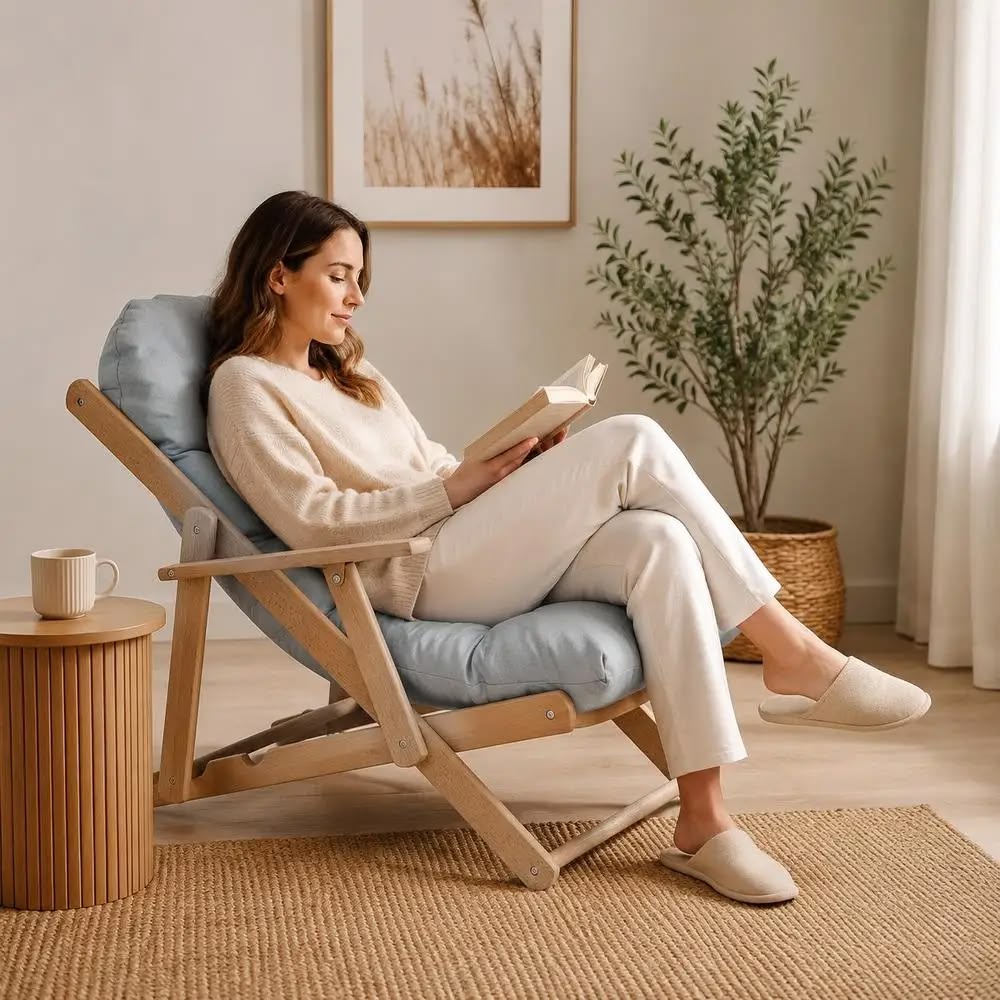
A good book deserves a comfortable place to read. Whether you enjoy reading in the morning, relaxing after work, or spending a quiet weekend with your favorite novel, the right chair can make the experience much more enjoyable.
Choosing a comfortable reading chair involves more than selecting a beautiful design. You need to consider the chair’s size, shape, materials, support, placement, and how well it fits your space. A chair that looks attractive but does not provide proper support may become uncomfortable during longer reading sessions.
In this ultimate guide, we explore the key factors to consider when choosing a reading chair so you can create a cozy and functional reading space at home.
Why Choosing the Right Reading Chair Matters
Reading often requires sitting for an extended period. If your chair does not provide enough support, you may become uncomfortable or distracted.
A well-designed reading chair should provide adequate support while allowing you to maintain a relaxed sitting position. It should also fit naturally into your room without making the space feel crowded.
Beyond comfort, a reading chair can become an important part of your interior design. Its color, shape, and material can complement your existing furniture and create an attractive focal point.
1. Consider the Chair’s Comfort
Comfort should be your first priority when choosing a reading chair.
Look for a chair with sufficient cushioning, a supportive backrest, and a seat that feels comfortable for your preferred sitting position.
If possible, sit in the chair before purchasing it. Spend a few minutes testing the seat and backrest rather than judging comfort based only on appearance.
Think about how you normally read. Do you sit upright, lean back, or prefer to curl up? Your reading habits can influence which chair shape works best for you.
2. Choose the Right Chair Size
The size of the chair should be appropriate for both your body and your available space.
A chair that is too small may feel restrictive, while an oversized chair can take up unnecessary floor space.
Pay attention to:
- Overall chair width
- Overall chair depth
- Seat width
- Seat depth
- Seat height
- Backrest height
- Armrest width
Before purchasing, measure the area where you plan to place the chair. Remember to leave enough space for walking, side tables, lamps, and other furniture.
3. Pay Attention to Seat Depth
Seat depth is particularly important for a reading chair.
A deep seat can provide a relaxed lounging experience, but it may not be suitable if you prefer to sit upright while reading.
A shallower seat can make it easier to maintain an upright position and keep your feet comfortably on the floor.
Choose a seat depth that works with your body proportions and preferred reading posture.
4. Look for Good Back Support
A supportive backrest can make a major difference during long reading sessions.
Choose a chair that supports your back without forcing you into an unnatural position. A slightly curved backrest can provide additional support and help create a comfortable sitting experience.
High-back reading chairs can provide more support around the upper back and shoulders, while lower lounge chairs may offer a more relaxed appearance.
Your choice should depend on your comfort preferences and how you plan to use the chair.
5. Consider the Armrests
Armrests provide support for your arms while reading and can make the chair feel more comfortable.
Look for armrests that are positioned at a natural height. They should allow your arms to rest without causing your shoulders to lift or your elbows to sit awkwardly.
Wide armrests can provide a generous place to rest your arms but may increase the overall width of the chair.
If you have limited space, a chair with slimmer armrests may be a better option.
6. Choose the Right Upholstery Material
The upholstery material affects both the appearance and comfort of a reading chair.
Fabric
Fabric upholstery is a popular choice for cozy reading spaces. It provides a soft feel and comes in many colors and textures.
Leather
Leather offers a sophisticated and timeless appearance. It can also be relatively easy to clean and maintain.
Velvet
Velvet creates a luxurious look and can make an accent reading chair stand out.
Boucle
Boucle has a textured appearance that can add warmth and contemporary style to a reading corner.
Natural Materials
Wood, rattan, and woven materials can introduce natural character. These materials can be combined with cushions or upholstered sections to improve comfort.
7. Select a Color That Complements Your Space
The color of your reading chair can influence the overall atmosphere of the room.
Neutral colors such as beige, cream, gray, and brown can create a calm and timeless appearance.
If your room already has neutral furniture, an accent chair in navy, green, terracotta, or another deeper shade can introduce personality.
Think about whether you want the chair to blend into the room or become a visual focal point.
8. Choose a Style That Matches Your Interior
Reading chairs are available in many different designs, making it easy to find one that suits your interior.
Modern Reading Chair
Modern chairs often feature clean lines, simple shapes, and contemporary materials.
Classic Armchair
Classic armchairs can add timeless character and work well in traditional or transitional interiors.
Lounge Chair
A lounge chair is ideal if you want a relaxed seating position and a more casual atmosphere.
Accent Chair
An accent chair can combine comfortable seating with a distinctive color, shape, or material.
Reclining Chair
A reclining reading chair can provide additional flexibility for people who enjoy adjusting their sitting position.
Choose a design that complements the rest of your furniture rather than focusing only on current trends.
9. Think About the Chair’s Placement
Even the most comfortable reading chair will not work well if it is placed in the wrong location.
Consider placing your chair:
- Near a window for natural light
- Beside a bookshelf for easy access to books
- In a quiet corner for privacy
- Next to a floor lamp for evening reading
- Near a side table for convenience
Avoid placing the chair directly in a busy walkway or somewhere that blocks doors, cabinets, or bookshelves.
10. Consider Natural and Artificial Lighting
Lighting is an essential part of a comfortable reading area.
Natural light can make your reading space feel bright and welcoming during the day. Position your chair near a window when possible, but avoid excessive direct sunlight that may cause glare or discomfort.
For evening reading, add a floor lamp or table lamp beside the chair.
An adjustable light can be especially useful because it allows you to direct illumination toward your book without creating unnecessary glare.
11. Add a Side Table
A side table may seem like a small detail, but it can make your reading chair significantly more practical.
Use it to hold books, reading glasses, a drink, or decorative accessories.
Choose a table that is proportionate to the chair. A compact side table is usually sufficient for a small reading nook, while a larger library may accommodate a more substantial piece.
12. Add an Ottoman or Footrest
An ottoman can make a reading chair more relaxing by providing a place to rest your feet.
This can be particularly useful if you enjoy longer reading sessions or prefer a more relaxed sitting position.
Make sure the ottoman does not interfere with the main walkway. In smaller rooms, choose a compact model that can be moved when necessary.
13. Consider Your Reading Habits
Your personal reading habits should influence your choice of chair.
If you prefer sitting upright with a book in front of you, choose a chair with supportive cushioning and a moderate seat depth.
If you enjoy reclining or relaxing while reading, consider a deeper lounge chair or reclining design.
If you often switch between reading, using a tablet, and listening to music, a chair with a more flexible sitting position may be useful.
There is no single perfect reading chair for everyone. The best option depends on how you use it.
14. Choose a Chair That Fits Your Room
Room size should always be considered when selecting a reading chair.
Small Spaces
Choose a compact chair with a streamlined silhouette. Avoid overly wide arms and excessive depth.
Medium Spaces
A standard armchair or lounge chair can work well. You have more flexibility to add a side table and floor lamp.
Large Spaces
A larger lounge chair, oversized armchair, or even two reading chairs can create a comfortable seating area.
The goal is to maintain visual balance between the chair and the surrounding furniture.
15. Think About Durability
A reading chair can become one of the most frequently used pieces of furniture in your home.
Consider the quality of the frame, upholstery, cushioning, and joints before making your choice.
If the chair will be used every day, choose durable materials that can withstand regular use.
A well-made chair can provide comfortable seating for years while maintaining its appearance with proper care.
16. Consider Maintenance Requirements
Different materials require different levels of care.
Fabric upholstery may need regular vacuuming and spot cleaning. Leather may require occasional conditioning, while textured materials can have specific cleaning requirements.
Before purchasing a chair, check the recommended care instructions.
Choosing a material that matches your lifestyle can make maintenance easier over time.
17. Create a Cozy Reading Corner
A reading chair can become the foundation of a complete reading nook.
Start with a comfortable chair and then add a few practical elements. A floor lamp can provide focused lighting, while a side table can keep books within reach.
A rug can visually define the area, while a cushion and throw blanket can introduce additional softness.
Keep the decoration simple enough that the space remains functional and uncluttered.
18. Consider Ergonomics
Comfort and ergonomics are closely connected.
A good reading chair should encourage a natural sitting position. Your feet should be supported, your back should feel comfortable, and your arms should be able to rest naturally.
Avoid chairs that force you to lean too far forward or sink too deeply into the seat if you plan to read for long periods.
Comfort should remain the priority even when selecting a chair based on style.
19. Test the Chair Before Buying
If you have the opportunity, always test a reading chair before purchasing it.
Sit in your normal reading position and consider how the chair feels after several minutes.
Check whether:
- Your feet reach the floor comfortably
- The seat provides enough support
- Your back feels properly supported
- The armrests are comfortable
- The seat depth feels appropriate
- You can easily get in and out of the chair
These simple checks can help you make a more informed choice.
20. Balance Comfort and Style
A comfortable reading chair does not have to sacrifice style.
Look for a chair that combines the features you need with a design that complements your interior.
For example, a modern upholstered chair can provide both contemporary style and comfortable cushioning. A classic leather armchair can offer timeless design while creating a relaxing reading environment.
The ideal chair should feel like a natural part of your room.
Common Mistakes When Choosing a Reading Chair
Even when you know what to look for, several common mistakes can affect your choice.
Avoid choosing a chair based solely on its appearance. A beautiful chair may not provide adequate support for long reading sessions.
You should also avoid ignoring measurements. Always check both the chair’s dimensions and the available space in your room.
Other mistakes include:
- Choosing a seat that is too deep
- Ignoring the chair’s overall width
- Forgetting about lighting
- Blocking walkways
- Choosing difficult-to-maintain upholstery
- Adding too many accessories around the chair
Taking a practical approach can help you create a reading space that looks attractive and feels comfortable.
Final Thoughts
Choosing the right comfortable reading chair requires a balance between design, comfort, size, materials, and functionality. The perfect chair should support your body, fit your room, suit your reading habits, and complement your interior style.
Before making a purchase, consider the chair’s dimensions, seat depth, back support, armrests, upholstery, and placement. Then complete your reading area with appropriate lighting, a side table, and optional accessories such as an ottoman, rug, cushion, or throw blanket.
Whether you are designing a small reading nook, home library, bedroom corner, or living room seating area, investing time in choosing the right reading chair can create a relaxing space you’ll enjoy using every day.