
Blog
Functional Chairs Designed for Comfort and Everyday Performance

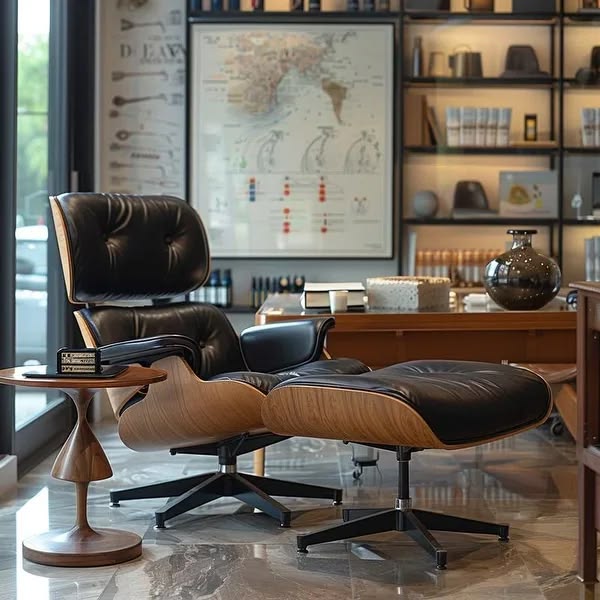
A chair is something people interact with every day, whether they are working, studying, dining, relaxing, or spending time with others. Because of this, choosing a chair should involve more than considering its appearance. Comfort, usability, and long-term performance are equally important.
Functional chairs are designed to bring these qualities together. By combining thoughtful construction with practical features, they can provide comfortable seating while supporting the activities people perform throughout the day.
From home offices and dining areas to commercial spaces, functional seating can make everyday environments more comfortable and practical.
What Makes a Chair Comfortable and Functional?
A functional chair should provide more than a place to sit. Its design should support the way people use it.
Several elements can contribute to a comfortable and functional chair, including:
- Supportive backrests
- Comfortable seat proportions
- Appropriate seat height
- Ergonomic design
- Durable construction
- Practical materials
- Useful adjustability
- Easy movement and positioning
The right combination depends on the chair’s intended purpose and environment.
Comfort Starts With the Right Support
Support is one of the most important elements of comfortable seating.
A well-designed backrest can provide support while allowing the user to maintain a natural sitting position. The seat should also provide enough space and support without feeling restrictive.
For chairs used for extended periods, thoughtful support can make everyday sitting more comfortable.
Ergonomic Design for Everyday Use
Ergonomics plays an important role in functional seating, particularly when chairs are used for work or study.
An ergonomic chair is designed around the relationship between the user and the chair. Features such as adjustable height, back support, seat depth, and armrests can help users find a more comfortable sitting position.
Not every chair needs extensive adjustment, but the design should still support the intended activity.
The Importance of Seat Height
Seat height can affect both comfort and usability.
A chair that is too high or too low can make it difficult to sit comfortably or interact naturally with a desk or table. The right height should allow the user to sit comfortably while maintaining a practical relationship with surrounding furniture.
When selecting a chair, always consider the height of the table, desk, or surface it will be paired with.
Comfortable Seating for Different Activities
Everyday seating can involve many different activities.
A functional chair may be used for:
- Working
- Studying
- Dining
- Reading
- Relaxing
- Meeting
- Socializing
Because each activity has different requirements, it is important to choose a chair based on how it will actually be used.
A work chair may need stronger ergonomic support, while a dining chair may prioritize comfortable proportions and easy movement.
Functionality Supports Everyday Performance
Performance is not only relevant to machines or technology. Furniture also needs to perform effectively in everyday situations.
A functional chair should remain stable, comfortable, and practical throughout regular use. Its construction should support the activities it was designed for without creating unnecessary inconvenience.
This makes functionality an important consideration when selecting seating for busy environments.
Durable Construction for Regular Use
Everyday furniture needs to handle repeated use.
Durable construction can help a functional chair maintain its performance over time. The frame, joints, materials, and overall construction should be appropriate for the expected level of use.
For offices, restaurants, hospitality environments, and family homes, durability can be especially important because chairs may be used many times throughout the day.
Materials Can Affect the Seating Experience
The materials used in a chair can influence both comfort and performance.
Upholstered seating can provide a softer experience, while solid materials may offer a different combination of durability and maintenance. The right choice depends on the environment and intended use.
For outdoor environments, materials should also be suitable for the conditions where the chair will be placed.
Easy Maintenance Makes Everyday Use Simpler
A functional chair should not create unnecessary maintenance work.
Easy-to-clean surfaces and practical materials can make everyday furniture care more convenient. This becomes particularly useful in dining areas, offices, commercial spaces, and other environments with frequent use.
Considering maintenance requirements before purchasing can help ensure the chair remains practical over time.
Flexibility Makes Seating More Useful
Some functional chairs are designed to be easily moved, rearranged, or adapted to different situations.
Mobility can be particularly useful in multipurpose spaces. A chair may need to move from a workspace to a meeting area or from a dining area to another part of the room.
Flexible seating gives people more freedom to adapt their environment as their needs change.
Functional Chairs for Modern Workspaces
Modern workspaces often require seating that supports both comfort and productivity.
Whether in a traditional office or home workspace, a functional chair can provide the support needed for desk-based activities while fitting naturally into the surrounding environment.
Ergonomic features and adjustable elements can be especially valuable for people who spend significant amounts of time working while seated.
Functional Seating for the Home
Functional chairs can also improve everyday home environments.
In a dining room, they can provide comfortable seating for meals. In a living room, they can create additional seating for guests. In a study area, they can support focused activities.
The versatility of functional seating makes it possible to use chairs across different areas of the home without compromising practicality.
Performance Should Match the Environment
The best functional chair depends on where it will be used.
A chair designed for a home office may have different performance requirements from one used in a restaurant or outdoor area.
Before choosing a chair, consider:
- Frequency of use
- Type of activity
- Number of users
- Indoor or outdoor environment
- Maintenance requirements
- Available space
- Required level of comfort
Matching the chair to its environment helps ensure that its design performs as intended.
Comfort and Style Can Work Together
Functional seating does not have to sacrifice visual appeal.
Modern chair designs can combine ergonomic considerations and practical construction with attractive shapes, materials, and finishes.
This allows functional chairs to contribute to the overall appearance of an interior while still meeting everyday seating needs.
A chair can be comfortable, durable, practical, and visually appealing at the same time.
Think About Long-Term Value
When buying furniture, it is useful to consider how well the chair will continue to meet your needs over time.
A chair that provides reliable comfort, durable construction, and practical functionality can offer more value than one chosen primarily because of its appearance.
Think beyond the first impression and consider how the chair will fit into your daily routine months or years after purchase.
How to Choose a Functional Chair for Everyday Use
When comparing different chairs, consider the following steps:
- Identify the chair’s primary purpose.
- Think about how frequently it will be used.
- Consider how long users will typically sit.
- Check the seat and backrest for adequate support.
- Make sure the dimensions fit the space.
- Evaluate the materials and construction.
- Consider useful ergonomic or adjustable features.
- Think about maintenance requirements.
- Check whether the chair needs to be moved or rearranged.
- Choose a design that complements the surrounding space.
This approach can help you focus on functionality without overlooking comfort or aesthetics.
Final Thoughts
Functional chairs are designed to support the way people actually live and work. By combining comfort, ergonomic support, durability, flexibility, and practical design, they can provide reliable seating for everyday activities.
The right chair should feel comfortable when you use it and continue to perform well as part of your daily environment.
Whether you are furnishing a home, office, dining area, or commercial space, choosing seating based on both comfort and everyday performance can help you create a more practical and enjoyable space.
Looking for comfortable seating designed for everyday use? Explore our Functional Chair Collection and discover chairs built around comfort, practicality, and performance.