
Blog
Find a Functional Chair That Fits Your Space and Lifestyle

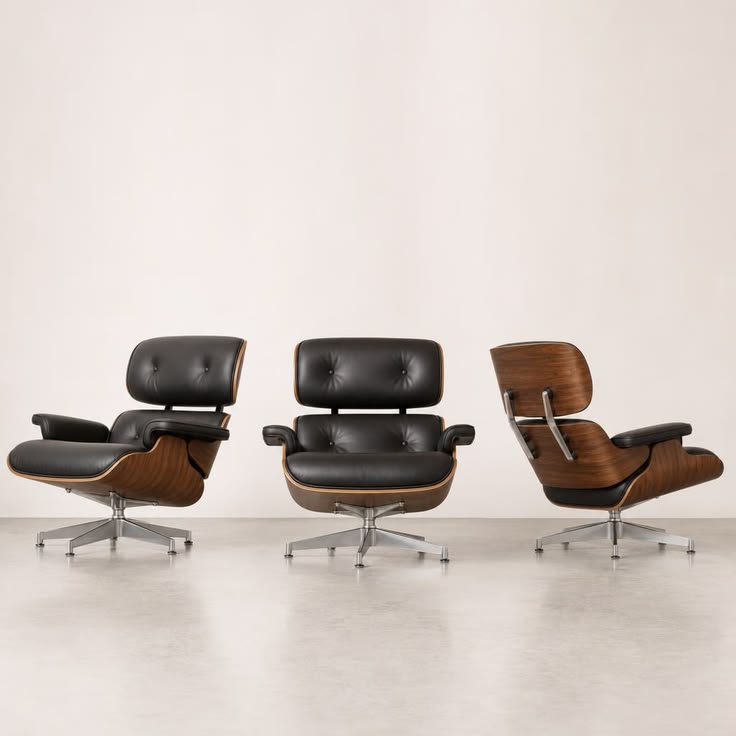
Choosing the right chair is not only about finding a design you like. A chair should also fit your space, support your daily activities, and provide the level of comfort you need.
This is where a functional chair can make a difference. Functional seating combines practical features with thoughtful design, helping you create a space that is comfortable, efficient, and suitable for everyday use.
Whether you need a chair for your home office, dining area, living room, study space, or commercial environment, choosing based on both your space and lifestyle can help you find seating that works better for you.
Start by Understanding Your Space
Before choosing a functional chair, take a close look at the space where it will be placed.
Consider the available floor area, surrounding furniture, room layout, and how people will move around the space. A chair that works well in a large room may feel too bulky in a compact area.
Measure the available space and compare it with the chair’s dimensions. This simple step can help prevent issues with overcrowding and make the final seating arrangement more comfortable.
Consider How You Will Use the Chair
Your daily activities should influence your choice of chair.
Think about what you will normally do while sitting. Will you work, study, eat, relax, socialize, or use the chair for several different activities?
For example, a work chair may require more ergonomic support, while a dining chair may prioritize comfortable proportions and easy movement around the table.
Understanding the primary purpose of the chair helps you focus on features that actually matter.
Choose a Functional Chair for Your Home Office
If you work from home, your chair can have a significant impact on your workspace.
Look for a design that provides adequate back support and encourages a comfortable sitting position. Adjustable features can also be useful when you need to adapt the chair to your desk height or personal preferences.
A functional office chair should complement your workspace without taking up unnecessary room.
Find the Right Chair for Your Dining Area
Dining chairs need to work together with the dining table while providing comfortable seating.
Pay attention to seat height, chair width, and the amount of space available between each chair. A chair that is too large can make a dining area feel crowded, while a chair that is too small may not provide enough comfort.
For everyday dining, functionality and easy maintenance can be just as important as appearance.
Functional Chairs for Relaxing Spaces
Living rooms, reading corners, and relaxation areas often require a different type of seating.
Comfort becomes a major consideration, but the chair should still fit naturally within the room. Look for designs that provide appropriate back and seat support while complementing your existing furniture.
A well-chosen functional chair can create a dedicated spot for reading, relaxing, or simply taking a break.
Make the Most of Small Spaces
If you have limited space, functionality becomes even more important.
Choose chairs with proportions that match the room instead of selecting oversized designs. Lightweight or easily movable chairs can also make it easier to change the layout when needed.
For compact apartments, balconies, bedrooms, or multipurpose rooms, flexible seating can help you make better use of every available area.
Think About Your Lifestyle
Your lifestyle can tell you a lot about which chair is right for you.
If you frequently move furniture around, you may prefer a lightweight design. If you spend several hours working or studying, ergonomic support may be more important. If you often entertain guests, versatile seating can provide additional flexibility.
The best functional chair is not necessarily the chair with the most features. It is the one with features that match how you actually live.
Consider How Long You Will Sit
Sitting for a few minutes is very different from sitting for several hours.
If the chair will be used for extended periods, pay closer attention to back support, seat comfort, posture, and adjustability.
For occasional use, you may place greater emphasis on mobility, appearance, or how easily the chair can be stored.
Think about the amount of time you will realistically spend in the chair before making your decision.
Choose the Right Size and Proportions
A chair’s dimensions can affect both comfort and the overall appearance of your space.
Consider:
- Seat height
- Seat depth
- Seat width
- Backrest height
- Overall chair height
- Distance between chairs
- Available space around the chair
The chair should provide enough room for comfortable seating without making the surrounding area difficult to use.
Look for Useful Functional Features
Functional chairs can offer a variety of practical features. However, not every feature is necessary for every user.
Depending on your needs, you may want to consider:
- Adjustable height
- Ergonomic back support
- Armrests
- Swivel functionality
- Lightweight construction
- Stackable design
- Easy-to-clean materials
- Flexible positioning
Focus on features that provide real value in your daily routine rather than choosing a chair simply because it has more functions.
Consider the Chair’s Material
Material selection can influence comfort, appearance, durability, and maintenance.
For indoor spaces, you might prioritize upholstery, texture, and visual appeal. For high-use environments, durable and easy-to-maintain materials may be more practical.
If the chair will be used outdoors, choose materials that are appropriate for outdoor conditions and regular exposure to the environment.
The material should always match the location and purpose of the chair.
Think About Durability
A functional chair should be able to handle its intended level of use.
Consider the construction quality, frame, materials, and overall design. A chair used every day in a busy office or commercial environment may require different durability considerations than a chair used occasionally at home.
Choosing durable seating can provide better long-term value and reduce the need for frequent replacement.
Match the Chair With Your Interior Style
Functionality does not mean you have to sacrifice aesthetics.
Your chair should complement the furniture and design elements already present in the space. Consider the shape, finish, color, and materials when choosing a chair.
A functional chair can become part of the room’s overall visual identity while still providing the practical benefits you need.
Consider Flexibility for Changing Needs
Your space and lifestyle may change over time.
A home office might eventually become a guest room. A dining area may need to accommodate more people during gatherings. A multipurpose room may serve different activities throughout the day.
Choosing versatile seating can make it easier to adapt your space without completely replacing your furniture.
Don’t Choose Based on Appearance Alone
A stylish chair can immediately catch your attention, but appearance should not be the only factor.
Before buying, consider whether the chair actually fits your space and supports the way you plan to use it.
Ask yourself:
- Is it comfortable enough for my routine?
- Does it fit the available space?
- Is the height appropriate?
- Is the material suitable?
- Can I maintain it easily?
- Is it durable enough for regular use?
- Does it offer the flexibility I need?
These questions can help you make a more practical decision.
Create a Seating Setup That Works for You
You do not always need to find one chair that does everything.
Instead, consider how different functional chairs can work together within your space. A home, office, or commercial environment may benefit from different seating options for different activities.
Combining practical seating with a thoughtful layout can create a space that feels more comfortable and efficient.
A Simple Guide to Finding the Right Functional Chair
When choosing your next chair, start with these key considerations:
- Measure your available space.
- Identify how the chair will be used.
- Consider how long you will sit.
- Prioritize the comfort and support you need.
- Check the chair’s dimensions.
- Choose materials appropriate for the environment.
- Consider durability and maintenance.
- Look for useful functional features.
- Match the design with your existing space.
- Think about how your needs may change over time.
This approach can make the selection process easier while helping you find seating that fits both your environment and everyday routine.
Final Thoughts
Finding the right functional chair is about creating a balance between space, comfort, purpose, and lifestyle.
A chair should fit naturally into your environment while providing the functionality you need. By considering how you use your space, how long you sit, and which features are genuinely useful, you can choose seating that remains practical and comfortable over time.
The right functional chair is more than just a place to sit. It can become an important part of a space designed around the way you live and work.
Looking for a chair that combines comfort, practicality, and modern design? Explore our Functional Chair Collection and find seating that fits your space and lifestyle.