
Blog
Choosing an Armchair Color: Tips for Every Interior Style

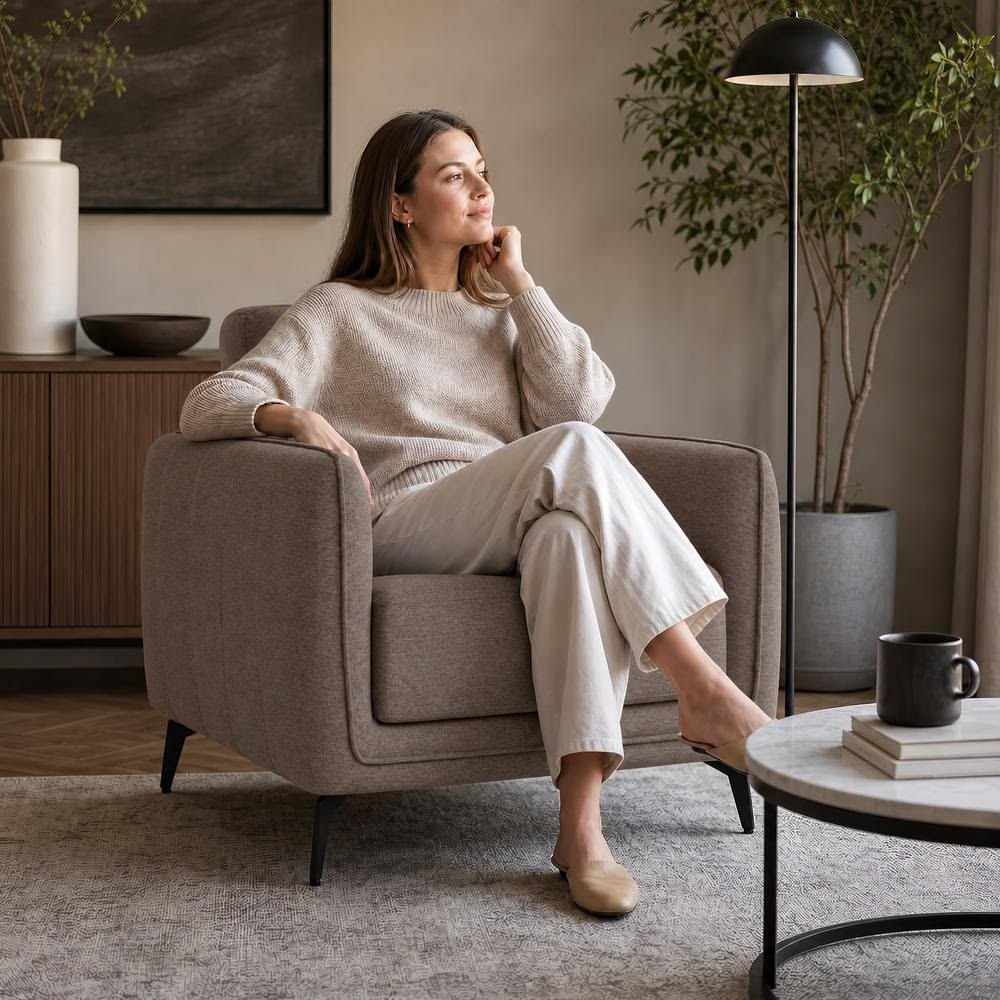
Choosing the right armchair color can make a noticeable difference in the look and feel of your room. An armchair is not only a comfortable piece of furniture but can also become an important visual element in your interior. The right color can complement your existing furniture, create contrast, or become a statement feature.
With so many colors and upholstery options available, choosing the perfect shade can sometimes feel overwhelming. From neutral tones and earthy colors to bold shades and timeless classics, there are plenty of options to suit different interior styles.
In this guide, we will explore practical tips for choosing an armchair color that works well with your space, furniture, and personal style.
Why Armchair Color Matters
Color has a strong influence on how a room looks and feels. The color of your armchair can help create a specific atmosphere while connecting different elements of your interior.
For example, neutral armchairs can create a calm and versatile appearance, while darker colors can add depth and sophistication. Bright colors can introduce energy and personality to an otherwise simple room.
Before choosing an armchair color, consider:
- Your existing wall color
- Sofa and other furniture colors
- Flooring and rugs
- Curtains and decorative accessories
- Room size
- Natural lighting
- Interior design style
- How often the armchair will be used
Considering these elements can make it easier to choose a color that feels intentional rather than out of place.
1. Choose Neutral Colors for a Timeless Look
Neutral colors are among the most versatile choices for an armchair. Shades such as beige, cream, gray, taupe, and off-white can work with a wide range of interior styles.
A neutral armchair can easily complement colorful cushions, patterned rugs, wooden furniture, or decorative artwork.
Neutral colors are particularly suitable if you like to change your interior accessories regularly. Instead of replacing the armchair whenever you update your decor, you can simply change smaller decorative elements around it.
2. Add Warmth With Earthy Colors
Earthy colors can create a warm and inviting atmosphere. Shades such as brown, terracotta, olive green, sand, and warm beige can work especially well with natural materials.
These colors are a great option for interiors featuring:
- Wooden furniture
- Rattan accessories
- Natural textiles
- Indoor plants
- Warm lighting
- Neutral walls
An earthy armchair color can make a living room or reading corner feel comfortable and relaxed without becoming visually overwhelming.
3. Use Gray for a Modern Interior
Gray is a popular option for contemporary interiors because it is versatile and easy to coordinate with other colors.
A light gray armchair can create a clean and airy appearance, while charcoal or dark gray can add contrast and depth.
Gray works well alongside colors such as:
- White
- Black
- Navy
- Beige
- Green
- Natural wood tones
If your interior already contains several colors, a gray armchair can help create visual balance.
4. Choose Blue for a Calm Atmosphere
Blue can introduce a sense of calm and sophistication to an interior. Depending on the shade, a blue armchair can suit both traditional and contemporary spaces.
Soft blue can create a light and relaxing atmosphere, while navy blue can provide a richer and more elegant appearance.
A blue armchair can work particularly well with neutral walls and materials such as:
- Light wood
- White upholstery
- Brass accents
- Gray furniture
- Cream-colored textiles
5. Add Personality With Green
Green is a versatile color that can bring a natural feel into an interior. From soft sage to deep forest green, different shades can create very different moods.
A sage green armchair can complement minimalist and Scandinavian-inspired interiors, while a darker green armchair can become a dramatic focal point.
Green works especially well when paired with natural wood, plants, beige, cream, and other earthy tones.
6. Make a Statement With Bold Colors
If your room has a simple color palette, a bold armchair can become an attractive focal point.
Consider shades such as:
- Mustard yellow
- Deep red
- Rust
- Emerald green
- Cobalt blue
- Burnt orange
A statement armchair works best when the rest of the room provides enough visual balance. You do not necessarily need to match the chair with every other piece of furniture.
Instead, repeat small elements of the armchair color through cushions, artwork, rugs, or decorative accessories.
7. Match the Armchair With Your Sofa
Your armchair does not have to be exactly the same color as your sofa. In fact, using different but complementary colors can create a more interesting interior.
For example, a beige sofa can be paired with:
- Green armchairs
- Navy armchairs
- Brown armchairs
- Terracotta armchairs
- Dark gray armchairs
If you prefer a coordinated look, choose colors from the same color family or use different shades of a similar tone.
The goal is to create harmony rather than perfect color matching.
8. Consider Your Wall Color
The wall color should be considered when choosing an armchair color because the two elements will occupy a significant amount of visual space.
If your walls are neutral, you have more freedom to experiment with colorful furniture.
If your walls are already bold, a neutral armchair may help balance the room.
For example, a dark green wall can work well with cream, beige, brown, or warm gray furniture. Meanwhile, white walls can provide a flexible background for both neutral and colorful armchairs.
9. Think About the Size of Your Room
Room size can influence how an armchair color appears.
In a small room, lighter colors such as cream, beige, light gray, and soft pastels can help create a brighter and more open visual effect.
Darker armchair colors can also work in small spaces, but they may create a stronger visual presence. If you choose a dark chair, consider balancing it with lighter walls, flooring, or surrounding furniture.
In larger rooms, you have more flexibility to experiment with deeper and richer colors.
10. Pay Attention to Natural Lighting
Lighting can change how an armchair color looks throughout the day.
A color that looks warm in a showroom may appear different in your home depending on the direction of your windows and the type of artificial lighting you use.
Before making a final decision, consider how the color looks:
- In natural daylight
- During the afternoon
- Under warm artificial lighting
- Under cool artificial lighting
- Next to your existing furniture
If possible, view an upholstery sample in the actual room before purchasing the armchair.
11. Choose Colors Based on Interior Style
Different interior styles often work well with different color palettes.
Modern Interior
Modern interiors often benefit from simple and sophisticated colors such as gray, black, white, beige, navy, and muted green.
A clean-lined armchair in a neutral or deep color can complement modern furniture without making the space feel cluttered.
Scandinavian Interior
Scandinavian interiors typically emphasize simplicity, natural materials, and bright spaces.
Consider colors such as:
- White
- Cream
- Light gray
- Beige
- Soft blue
- Sage green
These shades can work beautifully with light wood and minimalist furniture.
Minimalist Interior
For minimalist interiors, neutral colors are often a practical choice. Beige, white, gray, taupe, and muted brown can help maintain a clean and uncluttered appearance.
If you want to introduce color, choose one subtle accent shade rather than multiple competing colors.
Traditional Interior
Traditional interiors can accommodate richer and warmer colors. Deep blue, burgundy, forest green, brown, and warm neutrals can complement classic furniture and decorative details.
Consider pairing a traditional armchair color with textured upholstery for additional visual depth.
Industrial Interior
Industrial spaces often feature concrete, metal, exposed materials, and darker tones.
Colors such as charcoal, black, brown, dark green, and rust can work well in this setting. Leather armchairs can also complement an industrial aesthetic.
Bohemian Interior
Bohemian interiors provide more freedom when it comes to color. Jewel tones, earthy shades, warm colors, and interesting patterns can all work together.
A colorful armchair can become a key decorative element when combined with layered textiles and accessories.
12. Consider the Armchair Material
Color is not the only factor that affects appearance. The material and texture of the upholstery can change how a color looks.
For example, velvet can make colors appear richer and more luxurious, while linen can create a softer and more natural appearance.
Leather can give colors a distinctive depth, particularly in shades such as brown, black, tan, or dark green.
When comparing armchair colors, always consider the material alongside the shade.
13. Think About Maintenance and Everyday Use
A beautiful color should also be practical for your lifestyle.
If your armchair is placed in a busy living room, consider how easily the color may show dust, stains, or pet hair.
Very light upholstery can show spills more clearly, while extremely dark upholstery may make dust or lighter-colored pet hair more noticeable.
For frequently used furniture, consider an upholstery color and material that fit your cleaning and maintenance routine.
14. Use the Armchair as an Accent Piece
An armchair does not always need to blend into the room. It can also serve as an accent piece.
If most of your furniture is neutral, a colorful armchair can introduce personality without requiring major changes to the rest of the interior.
To create a cohesive look, repeat the armchair’s color in small decorative details such as:
- Throw pillows
- Artwork
- Rugs
- Curtains
- Vases
- Decorative objects
This creates a visual connection throughout the room.
15. Test the Color Before You Buy
One of the simplest ways to avoid choosing the wrong armchair color is to test it first.
If possible, request an upholstery sample and place it in your room. Observe the color at different times of day and next to your existing furniture.
This is particularly important when choosing colors online because screen settings can affect how upholstery colors appear.
Common Mistakes When Choosing an Armchair Color
Avoid these common mistakes when selecting an armchair color:
- Choosing a color without considering existing furniture
- Matching every piece of furniture exactly
- Ignoring natural lighting
- Choosing a trendy color without considering long-term preferences
- Forgetting about upholstery maintenance
- Selecting a color based only on online images
- Using too many competing accent colors
- Ignoring the overall interior style
A successful color choice should balance appearance, practicality, and personal preference.
Final Thoughts
Choosing an armchair color is an important part of creating a comfortable and cohesive interior. Whether you prefer timeless neutrals, earthy tones, sophisticated blues, natural greens, or bold statement colors, the right choice depends on how the armchair works with the rest of your space.
Consider your interior style, existing furniture, wall colors, lighting, room size, upholstery material, and maintenance needs before making a decision. Most importantly, choose a color that suits your personal taste and creates the atmosphere you want in your home.
With the right armchair color, even a simple chair can become a stylish and functional addition to your interior.