
Blog
Armchair Dimensions Guide: Height, Width, and Depth Explained

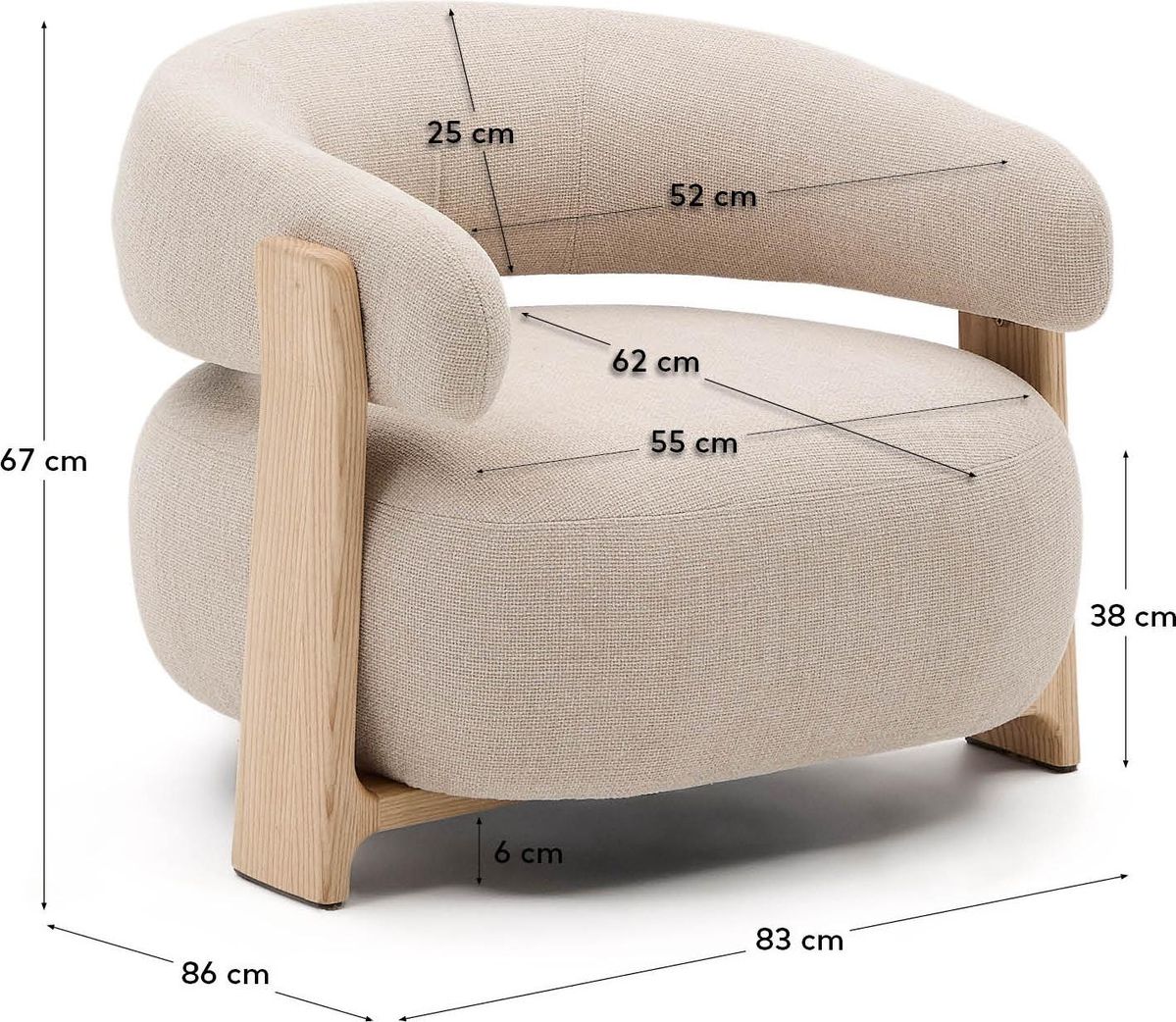
Choosing the right armchair is not only about style, color, or upholstery. Armchair dimensions also play an important role in comfort, functionality, and how well the chair fits into your room. An armchair that is too large can make a space feel cramped, while one that is too small may not provide enough comfort or support.
Understanding the height, width, and depth of an armchair can help you choose a chair that fits your space and meets your needs. Whether you are furnishing a living room, bedroom, reading corner, or home office, knowing the right dimensions makes furniture shopping much easier.
Why Armchair Dimensions Matter
The size of an armchair affects more than just how much floor space it occupies. The right dimensions can influence your sitting posture, leg support, comfort, and overall room layout.
Before purchasing an armchair, consider:
- The size of the room
- Available floor space
- Door and hallway dimensions
- Sofa or furniture proportions
- Seat height
- Seat depth
- Armrest height
- Your preferred sitting position
- Required walking space around the chair
Taking these factors into account can help you find an armchair that looks balanced and feels comfortable.
Understanding Armchair Height
Armchair height refers to the measurement from the floor to the highest point of the chair’s backrest.
A typical armchair may have an overall height of approximately 80 to 100 cm, although the exact measurement varies depending on the design.
A taller armchair can provide more back and neck support and often creates a more substantial appearance. High-back armchairs can work particularly well in spacious living rooms, reading areas, or rooms with high ceilings.
Shorter armchairs can create a lighter and more open appearance. They may also be suitable for smaller rooms where large furniture could make the space feel crowded.
Seat Height
Seat height is another important measurement. It refers to the distance between the floor and the top of the seat cushion.
Most armchairs have a seat height of around 40 to 50 cm.
A standard seat height makes it easier for most people to sit down and stand up comfortably. However, your ideal seat height depends on your body proportions and how you prefer to sit.
When choosing an armchair, make sure your feet can rest comfortably on the floor while your knees remain in a natural position.
Understanding Armchair Width
Armchair width is the total measurement from one outer side of the chair to the other.
Many standard armchairs are approximately 70 to 100 cm wide.
The width you need depends largely on your available space and preferred level of comfort.
A compact armchair may be around 70 cm wide and can work well in apartments, bedrooms, small living rooms, or narrow reading corners.
A wider armchair can provide more room to relax and may be suitable for spacious living rooms. Oversized armchairs are particularly useful if you enjoy curling up, reading, or lounging for long periods.
Seat Width
Do not confuse the overall chair width with the seat width.
The seat width refers to the usable space between the armrests. A typical armchair seat may provide approximately 45 to 65 cm of seating space.
If you want a more relaxed sitting experience, look for a wider seat. If the armchair is mainly intended for occasional seating, a more compact seat may be sufficient.
Understanding Armchair Depth
Armchair depth measures the distance from the front edge of the seat to the back of the chair.
A typical armchair may have an overall depth of approximately 75 to 100 cm.
Deep armchairs can provide a relaxed lounging experience, especially when paired with soft cushions. However, they require more floor space and may not be ideal for smaller rooms.
Shallower armchairs generally have a more compact footprint and can be easier to position in limited spaces.
Seat Depth
Seat depth is particularly important for comfort. It refers to the usable distance from the front of the seat to the back cushion.
Many armchairs have a seat depth of around 45 to 60 cm.
A deeper seat may be comfortable for taller users or people who enjoy a relaxed posture. A shallower seat can provide better support for shorter users and may make it easier to maintain an upright sitting position.
Armrest Dimensions
Armrests contribute to both the appearance and comfort of an armchair.
The height and width of the armrests can affect how naturally you can rest your arms. Wide armrests can provide additional support and create a more substantial appearance, while slim armrests can help make an armchair look more compact.
When choosing an armchair, consider whether the armrests allow you to sit comfortably without lifting or dropping your shoulders unnaturally.
Backrest Height and Support
The backrest is another important part of armchair dimensions.
A low-back armchair can create a contemporary and visually lightweight appearance. It can work well in open-plan spaces because it does not block the view across the room.
A high-back armchair offers greater support for the upper back, shoulders, and potentially the head. It can be a good choice for reading or extended periods of relaxation.
Consider your intended use before choosing between a high-back and low-back design.
Standard Armchair Dimensions to Consider
While dimensions vary between manufacturers and styles, a general armchair may have:
- Overall width: approximately 70–100 cm
- Overall depth: approximately 75–100 cm
- Overall height: approximately 80–100 cm
- Seat height: approximately 40–50 cm
- Seat width: approximately 45–65 cm
- Seat depth: approximately 45–60 cm
These measurements should be used as a starting point rather than strict requirements. Always check the manufacturer’s specifications before purchasing a specific armchair.
How to Measure an Armchair
Knowing how to measure an armchair correctly can prevent problems when planning your room.
Measure the Width
Measure from the widest point on the left side of the armchair to the widest point on the right side.
Remember to include the armrests when measuring the overall width.
Measure the Depth
Measure from the furthest point at the front of the chair to the furthest point at the back.
If the chair has a reclining mechanism, make sure you consider the additional space required when the chair is fully extended.
Measure the Height
Measure vertically from the floor to the highest point of the chair.
For chairs with decorative backs or unusually shaped designs, measure from the floor to the actual highest point.
Measure the Seat
For greater accuracy, also measure:
- Seat height
- Seat width
- Seat depth
- Backrest height
- Armrest height
These measurements provide a better understanding of how the armchair will feel when you sit in it.
Choosing Armchair Dimensions for Small Spaces
Small rooms require careful furniture planning. A large armchair can quickly take up valuable floor space and make movement more difficult.
For compact rooms, consider:
- Narrow armchairs
- Slim armrests
- Shallower seat depths
- Lower-profile designs
- Chairs with exposed legs
- Lightweight visual designs
An armchair with visible legs can make the floor underneath appear more open, helping a small room feel less crowded.
Choosing Armchair Dimensions for Large Rooms
Large rooms provide more flexibility, but an armchair that is too small may look disproportionate.
For spacious interiors, consider:
- Wider armchairs
- Deep lounge-style chairs
- High-back designs
- Oversized armchairs
- Matching pairs of armchairs
Large armchairs can help fill empty areas and create comfortable seating zones within an open room.
Allow Enough Space Around the Armchair
The dimensions of the chair itself are not the only measurements that matter. You also need to consider the space around it.
Leave enough room for:
- Walking around the chair
- Opening nearby doors
- Accessing windows
- Moving between furniture
- Using a side table
- Adjusting cushions
- Reclining, if applicable
Avoid placing an armchair directly against other furniture unless the arrangement is intentionally designed that way.
Consider Your Sofa Dimensions
If you are placing an armchair next to a sofa, think about proportion.
An extremely small chair next to a large sectional may look unbalanced. On the other hand, a very large armchair may visually overpower a compact sofa.
The goal is not necessarily to choose furniture with identical dimensions. Instead, look for pieces that create a visually balanced arrangement.
Armchair Dimensions for a Reading Corner
A reading corner usually requires more than just the chair itself.
Consider leaving space for a small side table and floor lamp. The armchair should also provide enough seat depth and back support for extended reading sessions.
A medium-sized armchair with comfortable cushioning can work well without taking up too much space.
Common Mistakes When Choosing Armchair Size
One of the most common mistakes is choosing an armchair based only on its appearance.
Other mistakes include:
- Not measuring the available floor space
- Ignoring doorway dimensions
- Choosing a seat that is too deep
- Forgetting about walking clearance
- Buying an oversized chair for a small room
- Ignoring seat height
- Not checking the full product dimensions
- Forgetting additional space needed for reclining chairs
Measuring both the room and the furniture before purchasing can help prevent these issues.
Tips for Choosing the Right Armchair Dimensions
Before buying an armchair, follow these simple steps:
- Measure the available space.
- Check the doorway and entrance dimensions.
- Determine your preferred seat height.
- Consider your ideal seat depth.
- Measure the space between existing furniture.
- Think about how the chair will be used.
- Compare the armchair dimensions with your sofa and other furniture.
- Check the manufacturer’s exact specifications.
- Leave enough clearance around the chair.
- Test the chair whenever possible before purchasing.
Final Thoughts
Understanding armchair dimensions makes it easier to choose furniture that fits your space and lifestyle. Height, width, depth, seat size, and armrest dimensions all contribute to the overall comfort and appearance of an armchair.
Whether you need a compact chair for a small apartment or a spacious lounge chair for a large living room, always measure your space before making a purchase. The right armchair dimensions can create a more comfortable, functional, and visually balanced interior.