
Blog
Functional Chairs That Adapt to Your Lifestyle

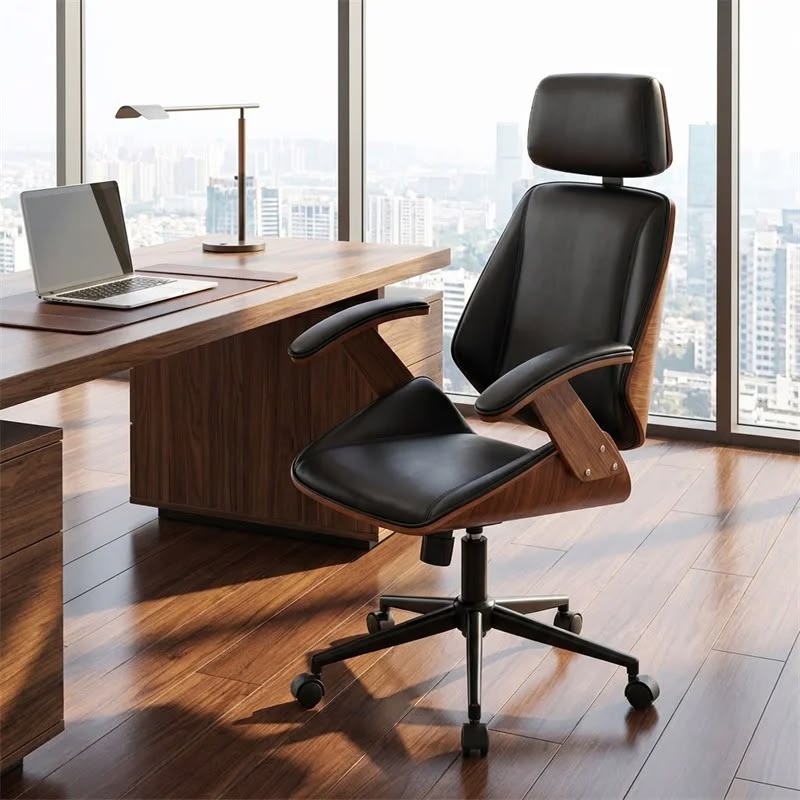
Everyday life rarely follows a single routine. One moment you may be working at a desk, the next you might be reading, dining, studying, relaxing, or moving between different spaces. Because your needs can change throughout the day, your furniture should be able to keep up.
This is where functional chairs can make a difference.
Unlike basic seating, functional chairs are designed with practicality, comfort, and flexibility in mind. Their features can help accommodate different activities, spaces, and preferences, making them a practical choice for modern lifestyles.
Whether you live in a compact apartment, work from home, manage a busy office, or simply want more flexible furniture, the right functional chair can adapt to the way you live.
What Makes a Chair Functional?
A functional chair is designed to do more than provide a place to sit.
Its functionality can come from features such as adjustable height, supportive backrests, ergonomic shapes, movable components, lightweight construction, or flexible designs.
The right combination depends on the chair’s intended purpose.
For example, a functional office chair may focus on adjustability and ergonomic support, while a dining chair may prioritize comfort, durability, and easy maintenance.
The important thing is that the chair works well within your everyday routine.
Choose Seating That Fits Your Daily Routine
Your lifestyle should be one of the first things you consider when choosing a functional chair.
Think about the activities you perform most often.
Do you spend hours working at a desk? Do you regularly study from home? Do you frequently host guests? Or do you simply need comfortable seating for relaxing?
Different routines require different types of support and functionality.
Choosing a chair based on how you actually use it can make everyday seating more comfortable and practical.
Functional Chairs for Work-from-Home Lifestyles
Working from home often means spending several hours in the same seating position.
A functional chair with ergonomic support and adjustable features can help create a more comfortable workspace. Adjustable seat height, back support, and armrests can make it easier to find a position that works with your desk.
For people who switch between work and personal activities throughout the day, a flexible chair can also help the workspace feel more versatile.
Functional Chairs for Study and Focus
Students and professionals often spend long periods reading, writing, or working on computers.
A functional chair can provide the support needed for these activities while fitting naturally into a study or home office environment.
Features such as a supportive backrest, comfortable seat, and appropriate height can contribute to a better seating experience during focused work.
The goal is to create seating that supports productivity without compromising everyday comfort.
Functional Chairs for Relaxing
Functionality does not always mean productivity.
Sometimes, the most important function of a chair is simply helping you relax.
A comfortable lounge-style functional chair can create a dedicated place for reading, listening to music, enjoying a conversation, or taking a break.
The right design can make a corner of your home feel more inviting without requiring a large amount of furniture.
Functional Chairs for Dining Areas
Dining chairs need to balance comfort, durability, and practicality.
A functional dining chair should be comfortable enough for everyday meals while also working well with the dining table and surrounding space.
If you regularly host friends or family, lightweight or movable designs can also make it easier to rearrange the dining area when needed.
This flexibility can be especially useful in homes where the dining area serves multiple purposes.
Make Small Spaces More Flexible
Modern homes often require furniture to work harder.
In apartments, studios, and compact rooms, every piece of furniture needs to make efficient use of available space.
Functional chairs with compact profiles, lightweight construction, or stackable designs can make it easier to change the layout when necessary.
Instead of filling the room with furniture for every possible activity, versatile chairs can help one space serve several purposes.
Adaptability Is Important in Multipurpose Rooms
A single room can have several functions.
A home office may become a study area. A dining room may also be used for working or entertaining. A living room can become a temporary workspace when necessary.
Functional chairs can make these transitions easier.
Movable and flexible seating allows you to adjust the room based on what you are doing at the moment.
This makes furniture more useful without requiring a completely different setup for every activity.
Look for Adjustable Features
Adjustability is one of the most useful characteristics of functional seating.
Depending on the chair, adjustable features may include:
- Seat height
- Armrest position
- Backrest angle
- Reclining position
- Seat depth
- Headrest position
Not every chair needs every adjustment. What matters is choosing features that are relevant to your routine.
A chair with useful adjustments can provide greater flexibility and allow different users to find a more comfortable seating position.
Choose Chairs That Are Easy to Move
Mobility can also improve functionality.
Lightweight chairs are easier to move between rooms or reposition within the same space. This can be particularly useful when your furniture needs to support different activities.
For example, a chair can move from a dining table to a workspace or from an indoor seating area to another suitable location.
The easier furniture is to reposition, the more adaptable your space can become.
Think About Your Changing Needs
Your lifestyle may change over time.
You might move to a new home, start working remotely, create a home office, or redesign an existing room.
Choosing versatile functional chairs can help your furniture remain useful even when your needs change.
Instead of selecting furniture for only one specific situation, consider whether the chair can continue to work with your lifestyle in the future.
Combine Functionality With Personal Style
Functional does not mean boring.
Modern functional chairs are available in a wide range of shapes, materials, and styles. This means you can find seating that supports your needs while complementing your interior design.
Consider the overall character of your space.
Clean lines may work well in modern interiors, while natural materials can create a warmer atmosphere. The chair should provide the functionality you need while still feeling like part of the room.
Consider Materials Carefully
Materials influence how a functional chair looks, feels, and performs.
Wood can add warmth and natural character. Metal can create a contemporary appearance and provide a strong structural foundation. Plastic can offer lightweight practicality, while upholstered materials can add softness and comfort.
Consider the environment where the chair will be used, how frequently it will be used, and how much maintenance you are comfortable with.
The right material can help the chair fit naturally into your lifestyle.
Don’t Forget Durability
A functional chair is likely to be used regularly, so durability matters.
Look for solid construction and materials appropriate for the intended environment. A durable chair can better handle repeated everyday use while maintaining its functionality and appearance.
Thinking about long-term use can also help you choose furniture that provides value beyond its initial appearance.
Make Everyday Seating More Convenient
Small functional details can have a noticeable impact on everyday life.
A chair that is easy to adjust, move, clean, or store can make your daily routine more convenient.
These practical features may not always be the most noticeable when you first see a chair, but they can become valuable when the chair is used every day.
Good furniture should work naturally within your routine rather than creating unnecessary limitations.
Build a Flexible Seating Arrangement
You do not necessarily need a large collection of different chairs to create a flexible space.
Instead, focus on selecting seating that can perform multiple roles.
A few versatile functional chairs can support dining, working, studying, relaxing, and entertaining depending on how they are arranged.
This approach can help create a cleaner and more adaptable environment.
Choose Functional Chairs for Your Lifestyle
Before choosing a functional chair, think about:
- Your daily activities
- How long you typically sit
- The amount of space available
- Whether the chair needs to move frequently
- Which adjustable features are useful
- The type of support you need
- The chair’s material
- Maintenance requirements
- Your interior design style
- How your needs may change over time
These considerations can help you find seating that fits your lifestyle instead of forcing your lifestyle to fit the furniture.
Final Thoughts
The best furniture is not necessarily the furniture with the most features. It is the furniture that works naturally with the way you live.
Functional chairs can provide the comfort, flexibility, and practicality needed to support different activities and environments. From working and studying to dining and relaxing, the right chair can adapt to your everyday routine.
As lifestyles become increasingly flexible, versatile seating can play an important role in creating spaces that are comfortable, practical, and ready for whatever the day brings.
Looking for seating that fits your lifestyle? Explore our functional chair collection and discover designs made for comfort, flexibility, and everyday use.