
Blog
A Practical Guide to Choosing the Right Functional Chair

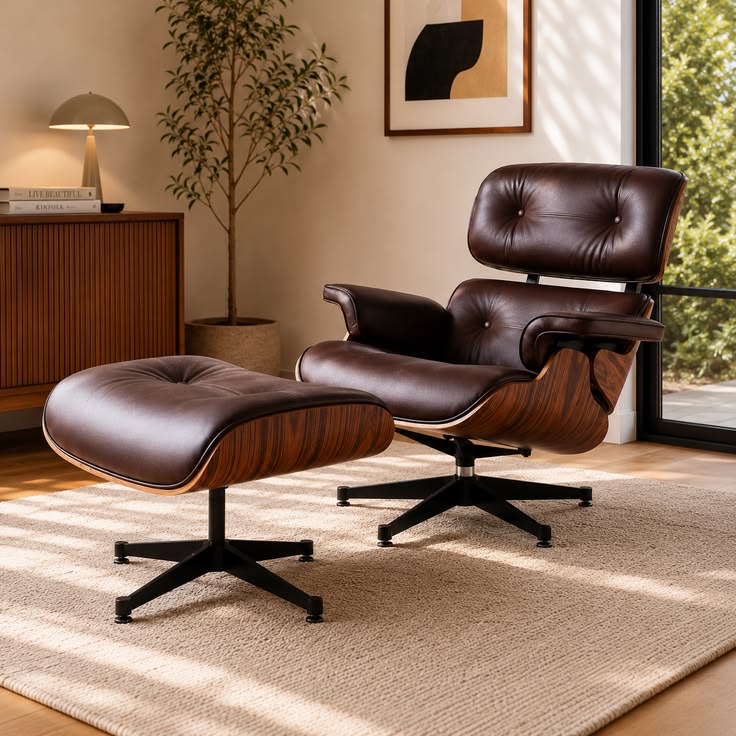
Choosing the right chair may seem simple, but the best option depends on much more than appearance. A chair needs to fit your space, support your daily activities, provide enough comfort, and offer the functionality you actually need.
This is especially true when choosing a functional chair. Unlike basic seating, functional chairs are designed to combine comfort and practicality, making them suitable for different environments and everyday activities.
Whether you need a chair for working, studying, dining, relaxing, or a multipurpose space, knowing what to look for can make the buying process much easier.
Here is a practical guide to help you choose the right functional chair for your needs.
Start With How You Will Use the Chair
The first step is to understand the chair’s primary purpose.
A chair used for several hours of desk work may require different features than one used around a dining table. Similarly, a chair for occasional seating may not need the same level of adjustability as a chair used throughout the workday.
Consider your typical activities, such as:
- Working
- Studying
- Reading
- Dining
- Meeting
- Relaxing
- Creative activities
- General everyday seating
Once you know how the chair will be used, you can focus on features that actually support your routine.
Consider How Long You Will Sit
The amount of time you spend sitting should influence your decision.
For short periods, basic comfort may be enough. However, if you regularly spend several hours in a chair, features such as back support, seat design, adjustability, and ergonomics become more important.
Think about your typical day rather than choosing based only on how the chair feels during a quick test.
A chair that feels comfortable for ten minutes may not provide the same experience after several hours.
Prioritize Proper Back Support
Back support is one of the most important considerations when choosing functional seating.
A supportive backrest can help provide stability and encourage a more comfortable sitting position. Depending on the chair, additional lumbar support or a contoured backrest may provide further support.
Look for a design that feels supportive without restricting natural movement.
For workspaces and study areas in particular, back support should be an important part of the decision-making process.
Check the Seat Design
The seat itself plays a major role in overall comfort.
Pay attention to the seat’s:
- Width
- Depth
- Height
- Shape
- Cushioning
- Material
A seat that is too narrow can feel restrictive, while one that is too deep may not provide the support you need.
The ideal seat depends on the user, the intended activity, and the overall design of the chair.
Look for Useful Adjustability
Adjustable features can make a functional chair more adaptable.
Depending on the chair’s purpose, useful adjustments may include seat height, backrest position, armrests, reclining angle, or seat depth.
However, more features do not automatically mean a better chair.
Focus on adjustments that genuinely support your activities and make the chair easier to use.
A simple chair with useful functionality can be more practical than a chair filled with features you rarely use.
Make Sure the Chair Fits Your Space
A functional chair should work within the dimensions of your room.
Before purchasing, consider the available floor space and measure areas around desks, dining tables, workstations, and other furniture.
Remember to account for movement. A chair may fit under a desk or table when unused but require additional space when someone pulls it out and sits down.
Good proportions can help your space remain comfortable and easy to navigate.
Consider the Chair’s Height
Chair height should work well with the furniture around it.
For a desk chair, the seat height should work with the desk and allow you to sit comfortably while using your computer or other equipment.
For dining chairs, consider the relationship between the seat and tabletop.
Getting the proportions right can make everyday activities feel more natural.
Choose Materials Based on Your Environment
The material of a functional chair affects its appearance, comfort, durability, and maintenance requirements.
Wood can bring warmth and natural character to an interior. Metal can provide a modern appearance and a strong structural foundation. Plastic can be lightweight and practical, while upholstered materials can offer additional softness.
Consider where the chair will be placed and how frequently it will be used.
The best material is the one that fits both your practical requirements and your preferred aesthetic.
Think About Durability
Functional chairs are often designed for regular use, so durability should not be overlooked.
Look at the overall construction, frame, joints, seat, backrest, and other important components. A well-constructed chair can provide reliable performance through repeated everyday use.
If the chair will be used in a busy environment, durability becomes even more important.
Think about long-term use rather than focusing only on the initial appearance.
Consider Maintenance Requirements
A chair that is easy to maintain can make everyday life more convenient.
Different materials require different levels of care. Some surfaces can be wiped clean easily, while others may require more specialized maintenance.
Think about your environment when making your choice.
For dining areas, offices, classrooms, and other high-use spaces, easy-to-clean materials can be particularly practical.
Think About Mobility and Flexibility
A functional chair may need to move throughout the day.
If you regularly rearrange your workspace or use the same room for different activities, consider a chair that is easy to move or reposition.
Lightweight designs can make this easier, while stackable chairs can help when you need to store multiple seats without taking up too much space.
Flexibility can be particularly valuable in compact and multipurpose rooms.
Match the Chair to Your Lifestyle
Your lifestyle should influence the type of functionality you choose.
For example, someone working from home may prioritize ergonomic support and adjustability. Someone living in a small apartment may prefer compact and versatile seating.
If you frequently entertain guests, movable or additional seating may be more useful.
The right functional chair is not necessarily the one with the most features. It is the one that provides the features that match your lifestyle.
Don’t Ignore Style
Functionality and style do not have to compete.
Modern functional chairs come in many different shapes, materials, and finishes, allowing you to choose seating that works with your interior design.
Consider the existing furniture and overall atmosphere of the room.
A well-chosen chair should feel like part of the space rather than looking like a purely practical addition.
Consider Versatility
A versatile chair can provide value in more than one situation.
For example, a chair could work in a home office today and later be moved into a dining or living area. A lightweight chair can also be repositioned whenever the room’s purpose changes.
If flexibility is important to you, look for a design that can adapt to different environments.
This can be especially useful for modern homes where rooms often serve multiple purposes.
Test the Chair Before Buying
Whenever possible, try the chair before making a purchase.
Sit in it for several minutes and pay attention to how your back, legs, arms, and feet feel.
Check whether:
- Your feet can rest comfortably
- The seat provides enough support
- The backrest feels comfortable
- The height works with your desk or table
- Your arms can rest naturally
- You can move without feeling restricted
A practical evaluation can reveal details that may not be obvious from photographs or product descriptions.
Think About Long-Term Value
A chair is something you may use hundreds of times over its lifetime.
Instead of focusing only on the initial price, consider its construction, materials, comfort, functionality, and expected usage.
A chair that remains comfortable and useful over time can provide better value than one that looks attractive but does not meet your everyday needs.
Avoid Choosing Based on Appearance Alone
A stylish chair can improve a room, but appearance should not be the only consideration.
A beautiful design may not provide the support, dimensions, or functionality you need.
Try to balance visual appeal with practical requirements.
The best functional chair should look good while also performing well in the environment where it will be used.
A Simple Functional Chair Buying Checklist
Before choosing your chair, ask yourself:
- What will I primarily use the chair for?
- How many hours will I typically sit?
- Does it provide adequate back support?
- Is the seat comfortable and appropriately sized?
- Are the adjustable features useful for my needs?
- Does the chair fit my available space?
- Is the material suitable for the environment?
- Is the construction durable?
- How easy is it to maintain?
- Can the chair be moved or repositioned easily?
- Does the design complement my space?
- Can it adapt if my needs change?
Answering these questions can help narrow down your options and make the buying process more straightforward.
Final Thoughts
Choosing the right functional chair starts with understanding how you live and how you plan to use the seating.
Focus on the essentials: comfort, support, size, functionality, materials, durability, maintenance, and style. You do not necessarily need the chair with the most features. You need a chair with the right features for your everyday needs.
With a thoughtful approach, you can find functional seating that fits your space, supports your activities, and remains useful for years to come.
Ready to find the right seating for your space? Explore our functional chair collection and discover practical designs made for everyday comfort and functionality.