
Blog
From Empty Corner to Reading Retreat: Styling a Reading Chair in Your Living Room

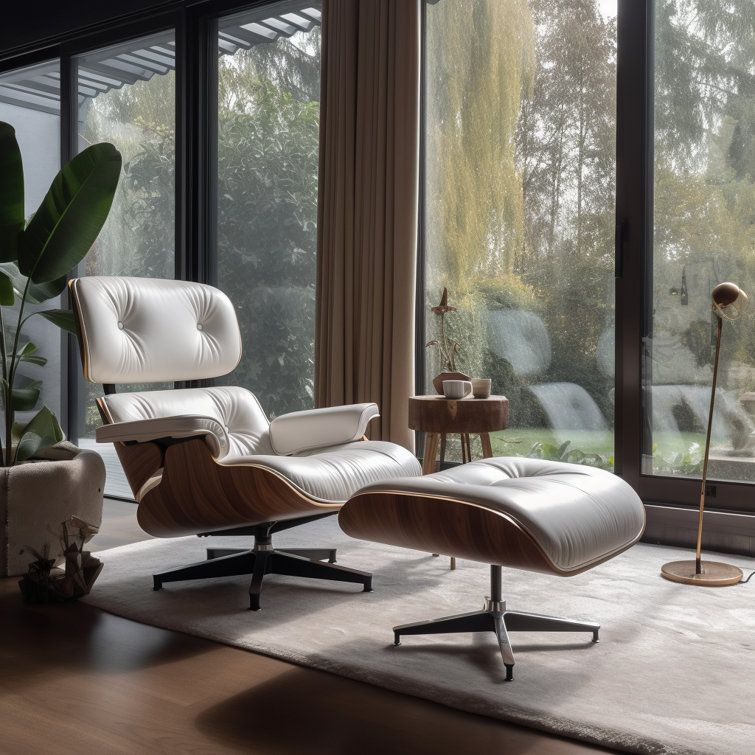
An empty corner in the living room can sometimes feel like wasted space. Instead of leaving it unused, you can transform it into a comfortable and stylish reading retreat with just a few carefully selected pieces. A reading chair can become the centerpiece of this small area, creating a cozy place to read, relax, enjoy a cup of coffee, or simply take a quiet break.
Creating a reading corner does not require a large living room or an expensive renovation. With the right chair, lighting, accessories, and placement, even a small unused corner can become one of the most inviting areas in your home.
If you are wondering how to style a reading chair in your living room, these practical ideas can help you turn an empty corner into a functional and relaxing retreat.
1. Start With the Right Reading Chair
The reading chair should be the foundation of your reading retreat. Since it will be the main feature of the area, choose a chair that combines comfort with a design that complements your living room.
Consider the chair’s size, shape, upholstery, and level of support. A chair with a comfortable seat, supportive backrest, and practical armrests can make longer reading sessions more enjoyable.
For a small corner, choose a compact armchair that does not overwhelm the space. If you have a larger living room, you may have room for a wider lounge chair with deeper cushioning.
2. Measure the Empty Corner First
Before purchasing furniture, measure the available area. An empty corner can look larger than it actually is, especially when it contains no furniture.
Measure the width and depth of the space and consider the distance from nearby walls, windows, doors, and other furniture.
Do not forget to leave enough room around the chair for comfortable movement. If you plan to add a side table, floor lamp, or footstool, include those items when planning the layout.
3. Position the Chair for Maximum Comfort
The placement of the reading chair can affect how comfortable the entire reading retreat feels.
If possible, position the chair where it receives natural daylight without being exposed to excessive direct sunlight. A corner near a window can be an excellent option.
You can also angle the chair slightly toward the room rather than placing it directly against a wall. This can make the space feel more open and connected to the rest of the living room.
4. Add a Small Side Table
A side table is one of the most useful additions to a reading corner. It provides a convenient place to keep books, coffee, reading glasses, or decorative accessories.
Choose a table that is proportionate to the reading chair. A small round table can soften the look of the area, while a simple square or rectangular table can complement a more structured chair.
Avoid choosing a table that is too large for the corner. The goal is to maintain a comfortable amount of open space.
5. Install the Right Lighting
Good lighting is essential for a reading retreat. Natural light may be sufficient during the day, but additional lighting is necessary for evening reading.
A floor lamp positioned beside the chair can provide focused illumination without taking up too much space. A table lamp can also work well if the side table is large enough.
Choose a lamp that complements the chair and overall living room style. Adjustable lighting can provide additional flexibility when reading or relaxing.
6. Add a Soft Throw Blanket
A throw blanket can instantly make a reading chair feel more comfortable and inviting. Drape it over the arm or back of the chair for a relaxed appearance.
Choose a blanket that introduces texture without clashing with the chair’s upholstery.
Knitted, woven, cotton, or other soft materials can create visual warmth. The blanket can also be useful when you want extra comfort during cooler evenings.
7. Use Cushions for Extra Comfort
A decorative cushion can make the reading chair more comfortable while adding another layer of visual interest.
For a neutral chair, consider a cushion in a warm accent color or subtle pattern. If the chair already has a bold design, a simple cushion may be more appropriate.
Avoid filling the chair with too many cushions. You want the chair to remain practical and easy to use.
8. Place a Rug Under the Reading Chair
A rug can help define the reading retreat and separate it visually from the rest of the living room.
Place a small rug beneath the chair and side table, or position the front legs of the chair on the rug.
Choose a rug that complements the colors and textures already present in the living room. A textured rug can make the corner feel softer, while a patterned design can add personality.
9. Bring in Natural Elements
Plants can make a reading corner feel more relaxing and connected to nature. Place a plant beside the chair or on a nearby table.
A tall indoor plant can fill vertical space, while a smaller plant can work well on a side table.
Choose a plant based on the available natural light and the level of maintenance you prefer.
Natural wood furniture can also contribute to a warm atmosphere. A wooden side table or chair frame can introduce organic texture to the reading area.
10. Create a Personal Bookshelf
If space allows, place a small bookshelf near the reading chair. This makes your favorite books easily accessible while reinforcing the purpose of the corner.
A compact vertical bookshelf can work well in a small space because it uses height rather than taking up a large amount of floor area.
Keep the shelf organized but do not be afraid to include a few decorative objects, such as small plants or framed artwork.
11. Choose a Warm Color Palette
Color plays an important role in making a reading retreat feel cozy.
Warm neutrals such as beige, cream, taupe, brown, and soft gray can create a calming environment. Earthy shades such as olive green, terracotta, and muted mustard can add personality while maintaining a relaxed atmosphere.
The reading chair does not need to match the walls or sofa exactly. Instead, choose colors that complement the existing living room palette.
12. Make the Chair a Focal Point
An empty corner can become more interesting when the reading chair serves as a visual focal point.
Choose a chair with an appealing silhouette, distinctive upholstery, or subtle accent color. Keep the surrounding décor relatively simple so the chair remains the main feature.
A statement reading chair can add character without requiring major changes to the rest of the room.
13. Add Wall Décor
The wall behind the reading chair is an opportunity to add personality to the reading retreat.
Consider hanging artwork, photographs, a decorative mirror, or a small collection of framed prints.
Wall shelves can also provide storage for books and accessories. Just make sure the wall décor is proportionate to the size of the corner.
Avoid overcrowding the wall, especially if the chair itself has a distinctive design.
14. Use a Footstool or Ottoman
A footstool or ottoman can make a reading chair significantly more comfortable. It allows you to stretch your legs while reading or relaxing.
Choose an ottoman that matches or complements the chair. In smaller living rooms, consider a lightweight ottoman that can be moved when additional floor space is needed.
Some ottomans can also function as extra seating, making them a versatile addition to the living room.
15. Keep the Reading Area Organized
A reading retreat should feel relaxing rather than cluttered. Keep frequently used items within easy reach, but avoid filling the area with unnecessary accessories.
A side table with a small stack of books, a lamp, and one decorative object may be enough.
Use baskets or small storage boxes if you need to organize blankets, magazines, or other items.
An organized reading corner will feel more inviting and easier to use every day.
16. Match the Reading Chair With the Existing Furniture
Your reading chair does not have to be identical to your sofa or other furniture. However, it should have some visual connection with the rest of the room.
You can create cohesion through color, material, shape, or texture. For example, a wooden chair frame can complement a wooden coffee table, while a warm-colored cushion can repeat an accent color found elsewhere in the room.
Mixing different furniture styles can work well when there are shared design elements.
17. Create a Minimalist Reading Retreat
If you prefer a clean and simple interior, keep the reading corner minimal.
A comfortable chair, slim floor lamp, and small side table may be all you need. Choose furniture with clean lines and a neutral color palette.
This approach allows the corner to feel calm and uncluttered while still being functional.
Minimalist styling is especially useful in small living rooms where too many accessories can make the space feel crowded.
18. Create a Cozy Traditional Reading Corner
For a traditional living room, choose a classic armchair with soft upholstery and supportive cushioning.
Add a wooden side table, warm lighting, patterned cushion, and soft throw to enhance the classic atmosphere.
A nearby bookshelf or traditional floor lamp can further strengthen the character of the reading area.
19. Try a Modern Reading Corner
A modern reading retreat can feature a chair with a simple silhouette, neutral upholstery, and contemporary materials.
Pair it with a minimalist side table and modern floor lamp. Keep the accessories limited and focus on clean shapes.
A modern reading chair can also provide contrast against a traditional living room, creating an interesting mix of old and new design elements.
20. Make the Space Reflect Your Personality
The best reading retreat is one that feels personal. Add objects that make the space enjoyable for you.
Your favorite books, a meaningful piece of artwork, a decorative cushion, or a favorite blanket can make the area feel more connected to your lifestyle.
The goal is not to create a perfect showroom corner. It is to create a comfortable space where you genuinely want to spend time.
Reading Chair Ideas for Small Corners
Small corners can still become functional reading retreats. Choose furniture carefully to avoid overwhelming the available space.
A compact armchair with a slim frame can provide comfortable seating without taking up too much floor area. Pair it with a narrow side table and a wall-mounted or slim floor lamp.
Using vertical space can also help. A tall bookshelf or wall shelf can provide storage without requiring a large footprint.
Light colors can make the corner feel more open, while a small rug can define the space without making it appear crowded.
Reading Chair Ideas for Large Living Rooms
A large living room offers more flexibility. You can create a complete reading zone with a spacious lounge chair, ottoman, side table, floor lamp, and bookshelf.
Consider positioning the reading retreat slightly away from the main seating area to create a sense of separation.
A large rug can visually connect all the elements while helping define the reading zone within the larger room.
Common Mistakes to Avoid
One common mistake is choosing a reading chair that is too large for the corner. Always measure the space before purchasing furniture.
Another mistake is overlooking lighting. A chair may look beautiful in a dark corner but will not function well as a reading space without sufficient illumination.
Avoid placing too many accessories around the chair. An overcrowded corner can quickly become uncomfortable.
Finally, do not forget about circulation. Make sure the reading chair does not block doors, walkways, or access to other furniture.
Final Thoughts
Turning an empty corner into a reading retreat does not require a complicated redesign. A comfortable reading chair, suitable lighting, a small side table, and a few thoughtful accessories can completely transform an unused area of your living room.
Start by choosing a chair that fits the available space and provides the comfort you need. Then build around it with lighting, textiles, storage, and personal décor.
Whether your style is modern, minimalist, traditional, or eclectic, a well-designed reading corner can add both functionality and personality to your living room. With thoughtful styling, an overlooked empty corner can become a cozy retreat where you can read, relax, and enjoy a little quiet time at home.