
Blog
How to Choose the Right Reading Chair Size for Your Space

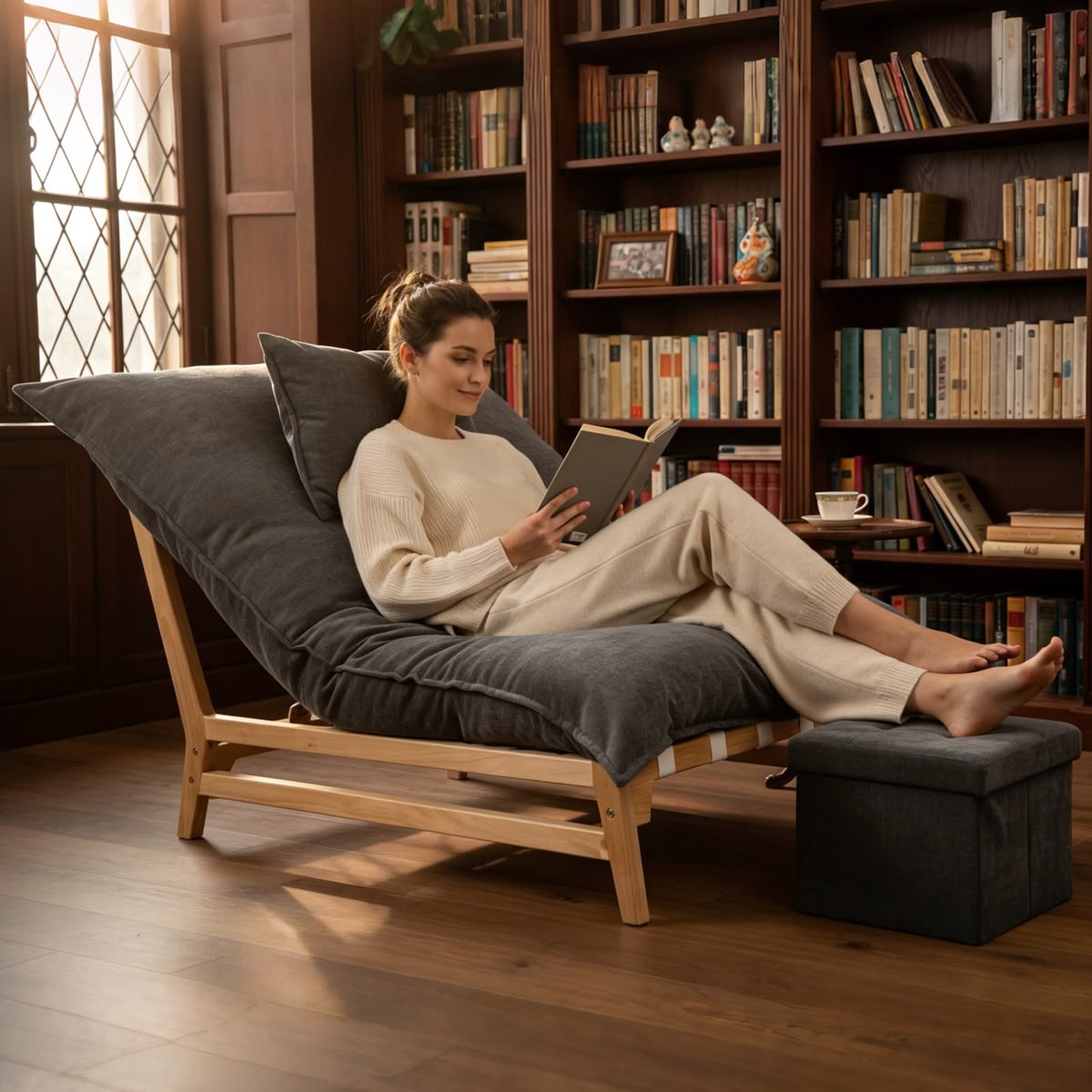
Choosing the right reading chair is about more than finding a design you love. The size of the chair plays an important role in comfort, functionality, and the overall balance of your room. A chair that is too large can make a small space feel crowded, while one that is too small may look out of place in a spacious interior.
Understanding reading chair size and dimensions can help you choose a chair that fits your space while providing a comfortable place to read and relax.
Whether you are designing a reading corner, home library, bedroom, or living room, this guide explains how to choose the right reading chair size for your space.
Why Reading Chair Size Matters
The size of a reading chair affects both how comfortable it feels and how well it fits into your interior.
A properly sized chair should provide enough room to sit comfortably without taking up unnecessary floor space. It should also leave enough room around the chair for walking, lighting, side tables, and other furniture.
Before purchasing a chair, consider both the chair’s dimensions and the available space in your room.
Understand the Main Reading Chair Dimensions
When comparing different reading chairs, pay attention to several key measurements.
Overall Width
The overall width measures how much horizontal space the chair occupies.
A wider chair can provide more room and may feel more comfortable, but it also requires more floor space. Compact armchairs are generally easier to fit into small reading corners.
Remember to consider the width of the armrests as well as the seat itself.
Overall Height
Overall height measures the distance from the floor to the highest point of the chair.
The height can affect how the chair looks in relation to bookshelves, windows, artwork, and other furniture.
A tall reading chair can create a strong visual presence, while a lower lounge chair can make a room feel more relaxed and open.
Overall Depth
Chair depth refers to how far the chair extends from the front of the seat to the back.
A deep chair can be comfortable for lounging, but it may require more space than a compact reading chair.
Make sure the chair does not extend too far into a walkway or interfere with other furniture.
Seat Width
Seat width refers to the usable space between the armrests.
A wider seat can provide more freedom of movement, while a narrower seat may feel more structured.
Choose a width that feels comfortable for your preferred sitting position.
Seat Height
Seat height is measured from the floor to the top of the seat cushion.
A chair with an appropriate seat height should allow your feet to rest comfortably on the floor while keeping your knees in a natural position.
Consider your height and preferred sitting position when evaluating this measurement.
Seat Depth
Seat depth is the distance from the front edge of the seat to the backrest.
A deeper seat can be suitable for relaxing, while a shallower seat can make it easier to maintain a more upright reading position.
Your body proportions and preferred posture should influence your choice.
Choose a Reading Chair Based on Room Size
The size of your room is one of the most important factors to consider.
Small Rooms
In a small bedroom, apartment, or compact reading nook, choose a reading chair with a relatively small footprint.
Look for streamlined armchairs with narrow arms and simple silhouettes. Avoid oversized chairs that can make the room feel crowded.
A compact chair paired with a small side table and wall-mounted light can create a functional reading area without using too much floor space.
Medium-Sized Rooms
Medium-sized rooms offer more flexibility. You can choose a standard armchair, lounge chair, or accent chair depending on your preferred style.
Make sure there is still enough open space around the chair for comfortable movement.
Large Rooms
Large rooms can accommodate bigger reading chairs, lounge chairs, or even multiple chairs.
A large chair can help fill an empty corner and create a comfortable focal point. You can also pair it with a larger ottoman, side table, and floor lamp.
However, avoid choosing furniture that is oversized simply because the room is large. The chair should still feel proportional to the rest of the interior.
Consider the Purpose of the Reading Chair
Think about how you plan to use the chair before choosing its size.
If you primarily sit upright while reading, a moderately deep chair with supportive back cushioning may be ideal.
If you like to relax, stretch out, or read for extended periods, a deeper lounge-style chair may provide more flexibility.
For occasional reading, a compact accent chair may be enough.
Understanding how you will use the chair can help narrow down the appropriate dimensions.
Consider Your Body Size and Proportions
A chair that fits the room may not necessarily fit you comfortably.
Your height, body proportions, and preferred sitting position should also influence the choice.
If you are taller, you may prefer a chair with a deeper seat and taller backrest. If you have a smaller frame, a compact chair with a shallower seat may feel more supportive.
Whenever possible, sit in the chair before purchasing it. Pay attention to whether your feet reach the floor, your back feels supported, and the seat provides enough space.
Leave Enough Space Around the Chair
When measuring for a reading chair, do not only measure the chair itself. Consider the space needed around it.
You should have enough room to:
- Walk around the chair
- Access nearby bookshelves
- Open doors and drawers
- Place a side table
- Use a floor lamp
- Add an ottoman
- Move the chair if necessary
Leaving adequate space can make the room feel more open and functional.
Consider the Size of Nearby Furniture
Your reading chair should work well with the furniture around it.
If you are placing it next to a sofa, compare their overall heights and proportions. A very large chair beside a small sofa may look unbalanced.
Similarly, a small reading chair can look lost next to oversized furniture.
Consider the size of nearby coffee tables, side tables, bookshelves, and storage units when planning your layout.
Think About Chair Placement
The ideal reading chair size also depends on where you plan to place it.
A chair near a window may need to fit between the window and other furniture. A chair in a corner may have more flexibility in width but less flexibility in depth.
If you are placing the chair beside a bookshelf, make sure there is enough space to comfortably access the books.
Always measure the intended location before purchasing the chair.
Choosing a Reading Chair for a Bedroom
A reading chair can make an unused bedroom corner more functional.
For smaller bedrooms, consider a compact armchair with a slim profile. Place it near a window or in a corner away from the bed.
A small side table and reading lamp can complete the area without taking up too much space.
If you have a spacious bedroom, you can choose a larger lounge chair or pair the chair with an ottoman.
Choosing a Reading Chair for a Living Room
Living rooms typically require more attention to overall furniture balance.
If the reading chair is part of the main seating arrangement, choose a size that complements your sofa.
For a separate reading corner, you can use the chair to fill an empty area near a window, bookshelf, or floor lamp.
Make sure the chair does not interrupt the main walking path through the room.
Choosing a Reading Chair for a Home Library
A home library can accommodate a wide range of chair sizes depending on the available floor space.
In a large library, a generous lounge chair can create a luxurious reading area. In a smaller library, a compact upholstered armchair may be more practical.
Consider the height of nearby bookshelves as well. A very tall chair can visually compete with low shelving, while a low lounge chair may work well with taller bookcases.
Consider Armrest Size
Armrests can significantly affect the overall dimensions of a reading chair.
Wide armrests can provide additional comfort but increase the chair’s overall width. Narrow arms can create a more streamlined appearance and help save space.
Think about whether you regularly use the armrests while reading. If you do, make sure they are comfortable and positioned at an appropriate height.
Think About an Ottoman
If you want additional leg support, consider whether you have enough space for an ottoman.
An ottoman can improve the comfort of a reading chair but also increases the overall footprint of the seating area.
Measure the space in front of the chair before purchasing one. You should still be able to walk comfortably around the seating arrangement.
Measure Before You Buy
One of the easiest ways to avoid choosing the wrong reading chair size is to measure your space first.
Use measuring tape to determine the available width, depth, and height. You can also mark the chair’s approximate dimensions on the floor using painter’s tape.
This gives you a better idea of how much space the chair will occupy before bringing it into the room.
Do not forget to measure doorways, hallways, elevators, and staircases if the chair needs to be delivered to another floor.
Avoid Common Reading Chair Size Mistakes
Choosing the wrong size can affect both comfort and room layout.
Common mistakes include:
- Buying an oversized chair for a small room
- Ignoring seat depth
- Forgetting to measure doorways
- Blocking a walkway
- Choosing a chair without considering nearby furniture
- Selecting a seat that is uncomfortable for your body proportions
- Leaving insufficient space for an ottoman or side table
Taking measurements in advance can help prevent these problems.
How to Balance Comfort and Space
The ideal reading chair should provide enough space for comfortable seating without dominating the room.
Start by determining how much floor space you can realistically dedicate to the reading area. Then consider the chair’s overall dimensions, seat size, and additional furniture.
If space is limited, prioritize the features that matter most to you. For example, you might choose a compact chair with excellent back support rather than a larger chair with extra decorative details.
Final Thoughts
Choosing the right reading chair size requires a balance between comfort, room dimensions, and functionality. The ideal chair should fit your body, suit your reading habits, and complement the size and style of your space.
Before buying, measure the available area and consider the chair’s overall width, height, depth, seat dimensions, and armrest size. Also think about the space needed for movement, lighting, side tables, and ottomans.
Whether you are furnishing a small reading nook, bedroom, living room, or spacious home library, choosing the right reading chair dimensions can help create a comfortable and well-balanced space for reading and relaxation.