
Blog
The Evolution of Armchair Design: From Classic to Modern

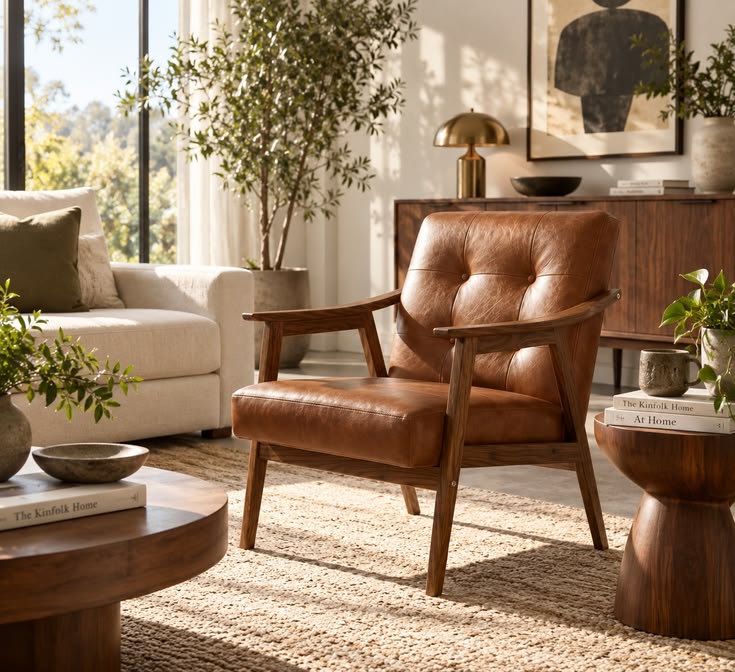
Armchairs have been an important part of interior design for centuries. What began as a practical seat for comfort and status has evolved into a versatile piece of furniture available in countless shapes, materials, and styles.
The evolution of armchair design reflects changes in architecture, technology, lifestyle, and interior design trends. From ornate classic armchairs to sleek modern designs, each era has introduced new ideas about comfort, functionality, and aesthetics.
Today, the armchair is more than just an additional seat. It can serve as a statement piece, reading chair, relaxation spot, or defining element of a living room. Understanding the history of armchair design can also help explain why so many classic styles continue to influence modern furniture.
The Early History of Armchair Design
The concept of a chair with armrests dates back centuries. Early armchairs were often associated with authority, wealth, and social status rather than everyday comfort.
In many historical settings, chairs with arms were reserved for important individuals. Their construction often involved solid wood, detailed carvings, and decorative elements.
Comfort was important, but the visual appearance of the chair also communicated status. As a result, early armchairs tended to be substantial and highly decorative.
Armchairs During the Renaissance
During the Renaissance, furniture design became increasingly sophisticated. Armchairs featured detailed woodworking, decorative carvings, and rich materials.
The craftsmanship of the frame was often just as important as the function of the chair. Armchairs were commonly made from wood and could feature elaborate decorative details.
These designs established many of the characteristics associated with traditional furniture, including strong silhouettes, craftsmanship, and attention to detail.
The Baroque Influence
The Baroque period introduced a more dramatic approach to furniture design. Armchairs became more elaborate, featuring curved shapes, carved frames, decorative upholstery, and luxurious materials.
Designs from this period often emphasized visual richness. Large proportions and intricate details helped armchairs become prominent decorative elements within interiors.
Although modern furniture is generally more restrained, some contemporary luxury armchairs continue to use curved silhouettes and rich upholstery inspired by historical designs.
The Rococo Era and Decorative Armchairs
Rococo furniture introduced softer and more playful forms. Compared with the heavier appearance of earlier Baroque designs, Rococo armchairs often featured elegant curves and lighter visual proportions.
Decorative upholstery, curved wooden frames, and intricate detailing became important characteristics.
These chairs demonstrate how armchair design began to move beyond simple structure and become an expression of personal taste and interior style.
The Rise of Classic Armchair Design
As furniture styles continued to develop, classic armchair designs became more refined and structured.
Traditional armchairs often featured:
- Wooden frames
- Upholstered seats and backs
- Rounded or structured armrests
- Decorative details
- Rich fabrics
- Balanced proportions
Many of these characteristics remain recognizable today.
Classic armchairs are still popular because their timeless appearance can complement traditional, transitional, and even contemporary interiors.
The Industrial Revolution Changes Furniture Design
The Industrial Revolution had a major impact on furniture manufacturing.
New machinery and production techniques made it possible to produce furniture more efficiently. Materials and construction methods also became increasingly diverse.
Instead of every chair being individually crafted by hand, furniture could be manufactured on a larger scale. This helped make well-designed seating more accessible to a wider range of people.
The changing manufacturing process also created opportunities for experimentation with new shapes and materials.
The Influence of Modernism
The early 20th century brought major changes to interior and furniture design.
Modernist designers began questioning highly decorative furniture and exploring simpler forms. Function, structure, and practicality became increasingly important.
Armchairs began to feature:
- Cleaner lines
- Simpler silhouettes
- Minimal decoration
- Functional materials
- Geometric shapes
- Greater emphasis on ergonomics
This shift created the foundation for many modern armchair designs.
The Mid-Century Modern Armchair
Mid-century modern design remains one of the most influential periods in armchair history.
Designers experimented with molded forms, curved backs, tapered legs, and new upholstery techniques. The goal was often to combine functionality with elegant simplicity.
Mid-century modern armchairs commonly feature:
- Tapered wooden legs
- Curved or sculpted backrests
- Compact proportions
- Simple upholstery
- Organic shapes
- Functional construction
Many contemporary armchairs continue to borrow these characteristics.
New Materials Transform Armchair Design
Advances in manufacturing introduced new materials to furniture design.
Wood remained popular, but designers increasingly experimented with materials such as metal, molded plastic, foam, and synthetic upholstery.
These materials allowed furniture makers to create shapes that were difficult or impossible to produce using traditional techniques.
Foam cushioning, for example, provided new possibilities for creating softer and more supportive seating. Molded materials allowed designers to experiment with continuous curves and unusual silhouettes.
The Development of Ergonomic Armchairs
As lifestyles changed, comfort became an increasingly important consideration.
Armchair design began to focus more heavily on the relationship between the human body and the chair. Seat height, seat depth, backrest angle, cushioning, and armrest placement became important design considerations.
This development helped transform the armchair from a decorative object into a piece of furniture designed around everyday comfort.
Modern lounge chairs are particularly influenced by this approach, combining supportive shapes with relaxed seating positions.
The Rise of the Lounge Chair
The lounge chair became an important category of armchair design during the 20th century.
Unlike traditional upright armchairs, lounge chairs are designed primarily for relaxation. They often feature generous cushions, reclining angles, deeper seats, and supportive backrests.
Their purpose is simple: to create a comfortable place to sit for longer periods.
Today, lounge chairs are commonly used in living rooms, bedrooms, reading corners, home offices, and hospitality interiors.
Scandinavian Influence on Armchair Design
Scandinavian design introduced another important approach to modern armchairs.
The style emphasizes simplicity, functionality, natural materials, and comfortable proportions. Scandinavian armchairs often combine wooden elements with soft upholstery.
Neutral colors, clean silhouettes, and organic forms make these chairs easy to incorporate into contemporary interiors.
This design philosophy continues to influence modern furniture collections around the world.
Contemporary Armchair Design
Contemporary armchair design combines ideas from many previous design movements.
Modern armchairs may feature minimalist frames, curved silhouettes, luxurious upholstery, or innovative materials. Some designs focus on simplicity, while others are intentionally bold and sculptural.
Popular contemporary features include:
- Curved backs
- Rounded edges
- Low-profile frames
- Oversized proportions
- Textured upholstery
- Neutral colors
- Sustainable materials
- Modular construction
The result is a wide range of armchair designs that can suit different lifestyles and interiors.
From Decorative Furniture to Statement Pieces
In the past, armchairs were often designed to complement the broader furniture arrangement. Today, an armchair can serve as a statement piece.
A bold-colored chair, sculptural silhouette, or distinctive material can become the focal point of a living room.
This approach gives homeowners more freedom to experiment. An armchair does not necessarily have to match the sofa perfectly. Instead, it can introduce contrast while still maintaining visual harmony.
The Role of Technology in Modern Armchair Design
Technology continues to influence how armchairs are designed and manufactured.
Computer-aided design allows designers to experiment with complex shapes before production. Advanced manufacturing techniques can also improve precision and consistency.
Modern materials can provide better cushioning, durability, stain resistance, and structural performance.
Technology has therefore expanded the possibilities for both the appearance and functionality of contemporary armchairs.
Sustainable Armchair Design
Sustainability has become increasingly relevant to modern furniture design.
Designers and manufacturers are exploring responsibly sourced wood, recycled materials, durable upholstery, and manufacturing processes designed to reduce waste.
Long-lasting construction is also an important part of sustainable furniture. An armchair that remains comfortable and attractive for many years does not need to be replaced as frequently.
This encourages a shift toward thoughtful designs that combine durability, timeless aesthetics, and responsible material choices.
Classic vs. Modern Armchair Design
Classic and modern armchairs represent different design philosophies, but they can work well together.
Classic armchairs often emphasize craftsmanship, decorative details, traditional materials, and timeless forms. Modern armchairs generally focus on simplicity, functionality, innovative materials, and contemporary proportions.
However, modern furniture does not completely replace classic design. Many current armchairs reinterpret traditional details in simpler ways.
For example, a modern chair may use the curved silhouette of a traditional armchair while replacing elaborate decoration with clean upholstery and a minimalist frame.
How Classic Designs Continue to Influence Modern Armchairs
Furniture design rarely develops in complete isolation. Designers often look to the past for inspiration.
Elements such as curved armrests, tufted upholstery, wooden legs, high backs, and symmetrical proportions can all be found in both traditional and contemporary furniture.
The difference is often in how these elements are interpreted.
A traditional armchair may use carved wood and patterned fabric, while a modern version might use smooth wood, neutral upholstery, and a simplified silhouette.
This combination of old and new creates timeless furniture that feels familiar while remaining suitable for contemporary interiors.
Choosing an Armchair Inspired by Different Eras
Understanding different design periods can make it easier to choose an armchair for your home.
For a traditional interior, consider a classic armchair with detailed upholstery and a substantial frame.
For a mid-century-inspired space, look for tapered legs, curved shapes, and clean lines.
For a Scandinavian interior, choose a simple armchair with natural wood and soft neutral upholstery.
For a contemporary room, consider a sculptural silhouette, textured material, or minimalist design.
You can also combine different influences to create a more personalized interior.
The Future of Armchair Design
The future of armchair design is likely to continue combining comfort, technology, sustainability, and visual appeal.
Designers are exploring new materials, adaptable furniture, ergonomic features, and multifunctional designs. At the same time, timeless shapes remain relevant because consumers often want furniture that can stay attractive for many years.
The modern armchair may therefore become even more versatile, serving different purposes while adapting to changing lifestyles and living spaces.
Final Thoughts
The evolution of armchair design shows how furniture can change alongside society and technology. From highly decorative historical chairs to ergonomic lounge chairs and minimalist contemporary designs, armchairs have continually adapted to changing ideas about comfort and style.
Classic armchairs remain influential because of their craftsmanship and timeless character, while modern designs introduce new materials, shapes, and functions.
Whether you prefer traditional elegance, mid-century simplicity, Scandinavian warmth, or contemporary minimalism, the history of armchair design offers plenty of inspiration for creating a comfortable and stylish interior.