
Blog
Armchair Guide: Everything You Need to Know Before Buying

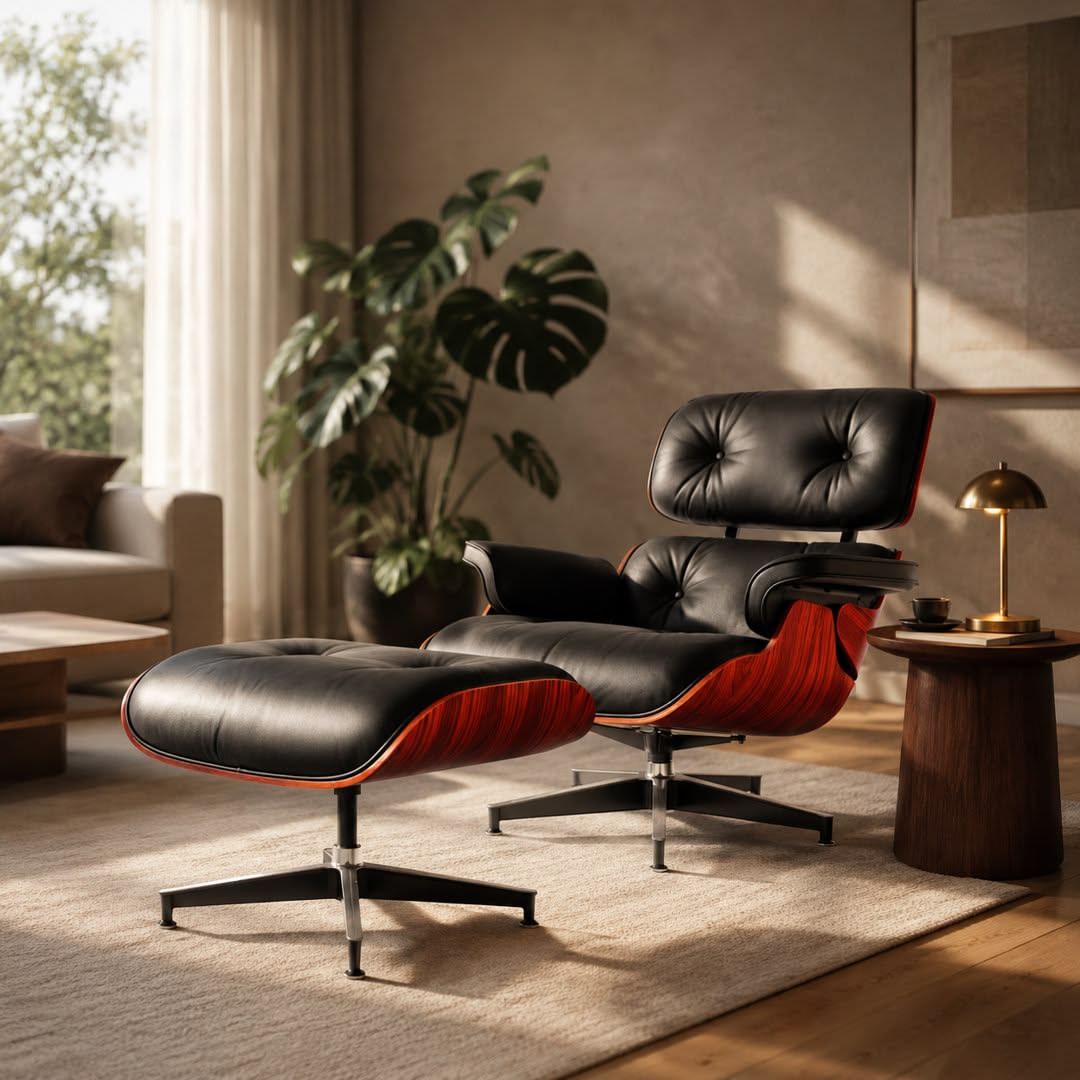
An armchair can be more than just an extra seat in your home. It can create a comfortable reading corner, complete a living room, add personality to a bedroom, or become a stylish focal point in your interior. However, with so many designs, materials, sizes, and colors available, choosing the right armchair can sometimes be challenging.
This armchair buying guide covers everything you need to know before purchasing an armchair. From size and materials to comfort, style, placement, and maintenance, these tips can help you find an armchair that suits both your space and lifestyle.
What Is an Armchair?
An armchair is a chair designed with built-in armrests on both sides. Compared with a standard chair, an armchair generally provides additional support for your arms and can offer a more comfortable seating experience.
Armchairs are available in many different designs, including modern, traditional, minimalist, Scandinavian, industrial, and contemporary styles.
They can be used in various areas of the home, such as:
- Living rooms
- Bedrooms
- Home offices
- Reading corners
- Entryways
- Lounges
- Waiting areas
Because of their versatility, armchairs can easily become both a functional and decorative element in an interior.
Why Should You Buy an Armchair?
An armchair can provide several benefits beyond additional seating.
Extra Comfort
The combination of a supportive backrest, seat cushion, and armrests can create a comfortable place to relax.
Flexible Placement
Unlike larger sofas, armchairs can usually be moved more easily from one area to another.
Decorative Appeal
An armchair can introduce a new color, texture, shape, or material into your room.
Personal Space
An armchair can create a dedicated spot for reading, relaxing, working, or enjoying a cup of coffee.
Consider the Armchair Size
One of the first things to consider when buying an armchair is its size.
The chair should fit comfortably within your available space without making the room feel crowded.
Before purchasing, measure:
- Overall width
- Overall depth
- Overall height
- Seat height
- Seat width
- Seat depth
A standard armchair may be approximately 70–100 cm wide and 75–100 cm deep, but dimensions vary significantly depending on the design.
For a small room, consider a compact armchair with a narrower frame and shallower depth. For a larger room, an oversized or lounge-style armchair may provide a better visual balance.
Measure Your Space Before Buying
Knowing the dimensions of the armchair is only half the process. You also need to measure the space where you plan to place it.
Consider the available floor area and leave enough room around the chair for comfortable movement.
Also measure:
- Doorways
- Hallways
- Staircases
- Elevator entrances
- Narrow corners
- The final placement area
A chair may fit perfectly in your living room but still be difficult to bring into the house if the entrance is too narrow.
Choose the Right Armchair Style
The style of the armchair should complement your existing interior.
Modern Armchairs
Modern armchairs often feature clean lines, simple shapes, and minimal decorative details. They can work well in contemporary living rooms, apartments, and modern offices.
Scandinavian Armchairs
Scandinavian designs typically focus on simplicity, functionality, natural materials, and soft neutral colors.
Traditional Armchairs
Traditional armchairs often feature classic silhouettes, detailed upholstery, curved arms, and decorative elements.
Industrial Armchairs
Industrial designs commonly use materials such as leather, metal, and dark wood. They can add character to loft-style or contemporary interiors.
Minimalist Armchairs
Minimalist armchairs usually feature simple silhouettes and restrained colors. They are ideal for interiors where clean and uncluttered design is a priority.
Pay Attention to Armchair Materials
The material of an armchair affects its appearance, comfort, durability, and maintenance requirements.
Fabric
Fabric upholstery is available in a wide variety of colors, textures, and patterns. It can provide a soft and comfortable feel and works well with many interior styles.
Leather
Leather can provide a sophisticated and durable appearance. It is also relatively easy to wipe clean, although it requires appropriate care to maintain its condition.
Velvet
Velvet is known for its soft texture and rich appearance. It can make an armchair feel more luxurious and visually striking.
Linen
Linen can create a relaxed and natural appearance. It works particularly well in light, casual, and natural interiors.
Bouclé
Bouclé upholstery has a distinctive textured surface and can add warmth and visual interest to contemporary interiors.
Choose a material based on your lifestyle, cleaning preferences, desired appearance, and how frequently the chair will be used.
Check the Frame Construction
A beautiful exterior does not necessarily tell you how well an armchair is constructed.
The frame provides the structural foundation of the chair, so it is important to consider its quality.
Look for a sturdy and well-constructed frame. Depending on the design, armchairs may use materials such as hardwood, engineered wood, or metal.
When possible, inspect the joints and overall construction. A stable frame can contribute to the chair’s long-term durability.
Think About Seat Comfort
Comfort should be one of your main priorities when selecting an armchair.
Before buying, consider:
- Seat firmness
- Cushion thickness
- Seat depth
- Seat height
- Back support
- Armrest position
A very soft seat may feel comfortable initially but may not provide enough support for some users. A firmer seat can provide more structured support.
The ideal choice depends on how you plan to use the armchair.
Consider Your Sitting Position
Think about your preferred sitting posture.
If you prefer sitting upright while reading or working, a chair with a moderate seat depth and supportive backrest may be appropriate.
If you want an armchair primarily for lounging, a deeper seat with softer cushioning may be more suitable.
Your height and body proportions should also be considered when choosing seat dimensions.
Choose an Armchair Color
Color can significantly affect how the chair looks within your interior.
Neutral colors such as beige, cream, gray, taupe, and white are versatile and easy to coordinate.
If your room already has a neutral color palette, you can use the armchair to introduce an accent color such as:
- Navy blue
- Forest green
- Terracotta
- Mustard
- Rust
- Burgundy
The armchair does not need to be the same color as your sofa. Complementary colors can create a more dynamic and interesting interior.
Think About Your Existing Furniture
Before purchasing an armchair, consider how it will interact with the furniture you already own.
Look at the:
- Sofa
- Coffee table
- Side tables
- Rug
- Curtains
- Flooring
- Wall colors
- Decorative accessories
The goal is to create visual harmony. The armchair can either blend with the existing palette or provide contrast as an accent piece.
Decide Where to Place Your Armchair
The intended location can influence the type of armchair you choose.
Living Room
In a living room, an armchair can provide additional seating and help create a balanced conversation area.
Bedroom
A compact armchair can create a comfortable corner for reading, relaxing, or getting ready.
Reading Corner
For a reading corner, prioritize back support, comfortable cushioning, and enough seat depth to relax.
A small side table and floor lamp can complete the setup.
Home Office
If you plan to use an armchair in your office, choose a design that supports comfortable sitting without taking up too much space.
Consider the Room Size
An armchair should be proportional to the room.
In a small room, a bulky chair may make the space feel crowded. Consider compact designs with slim arms and exposed legs.
In a larger room, a wider or more substantial armchair can help fill empty areas and create a comfortable seating zone.
Always leave enough clearance around the chair for movement.
Check the Armchair’s Maintenance Requirements
Different materials require different levels of maintenance.
Before buying, find out:
- How the upholstery should be cleaned
- Whether the cushion covers are removable
- Whether the material is stain-resistant
- Whether special cleaning products are required
- How often the chair should be maintained
Choosing an armchair that fits your cleaning routine can make long-term ownership easier.
Think About Everyday Use
Consider who will use the armchair and how frequently.
For a frequently used living room chair, durability and easy maintenance may be priorities.
For an occasional decorative chair, you may have more freedom to choose delicate materials or statement designs.
If you have children or pets, consider upholstery that is practical for your household and easy to maintain.
Consider the Armchair’s Weight
Armchair weight is often overlooked when buying furniture.
If you regularly rearrange your room, a lighter armchair may be easier to move.
A heavier chair may feel more substantial and stable but can be more difficult to reposition.
Consider your lifestyle and how frequently you expect to move the furniture.
Set a Realistic Budget
Armchair prices can vary considerably depending on the design, material, construction, brand, and craftsmanship.
Before shopping, determine your budget and identify the features that matter most to you.
For example, you may choose to prioritize:
- Better frame construction
- Higher-quality upholstery
- Comfortable cushioning
- A specific design
- Easy maintenance
- Long-term durability
A clear budget can help narrow your choices and prevent unnecessary purchases.
Inspect the Armchair Before Buying
If you can see the chair in person, take some time to inspect it.
Sit on the chair and check whether:
- Your feet comfortably reach the floor
- Your back feels supported
- The seat feels comfortable
- The armrests are positioned naturally
- The chair feels stable
- The cushions maintain their shape
- The upholstery looks evenly finished
If purchasing online, carefully review the product specifications, dimensions, material details, customer reviews, and return policy.
Common Mistakes to Avoid When Buying an Armchair
Avoid these common mistakes when selecting an armchair:
- Choosing a chair without measuring the room
- Focusing only on appearance
- Ignoring seat comfort
- Buying a chair that is too large
- Forgetting doorway measurements
- Choosing upholstery without considering maintenance
- Matching every piece of furniture too closely
- Ignoring the chair’s construction
- Not checking the exact dimensions
- Choosing a style that does not suit the existing interior
Taking a little extra time before buying can help you make a more practical choice.
Armchair Buying Checklist
Before making your purchase, ask yourself:
- Does the armchair fit my available space?
- Can it fit through my doorway and hallway?
- Is the seat comfortable for my preferred sitting position?
- Does the armchair complement my existing furniture?
- Is the color suitable for my interior?
- Is the upholstery practical for my lifestyle?
- Is the frame sturdy?
- Does the chair require special maintenance?
- Is the size appropriate for the room?
- Does it fit within my budget?
If the answer to these questions is clear, you are in a better position to choose an armchair that meets your needs.
Final Thoughts
Buying an armchair involves more than choosing a design that looks attractive. Armchair size, material, comfort, construction, color, maintenance, and placement all influence whether the chair will work well in your home.
Take the time to measure your space, understand your preferred seating style, compare materials, and consider how the chair will be used every day. Whether you are looking for a modern accent chair, a comfortable reading chair, or a classic living room armchair, careful planning can help you find a piece that combines style and functionality.
With the right armchair buying guide, choosing a comfortable and suitable chair becomes much easier.