
Blog
What Size Armchair Is Right for Your Space?

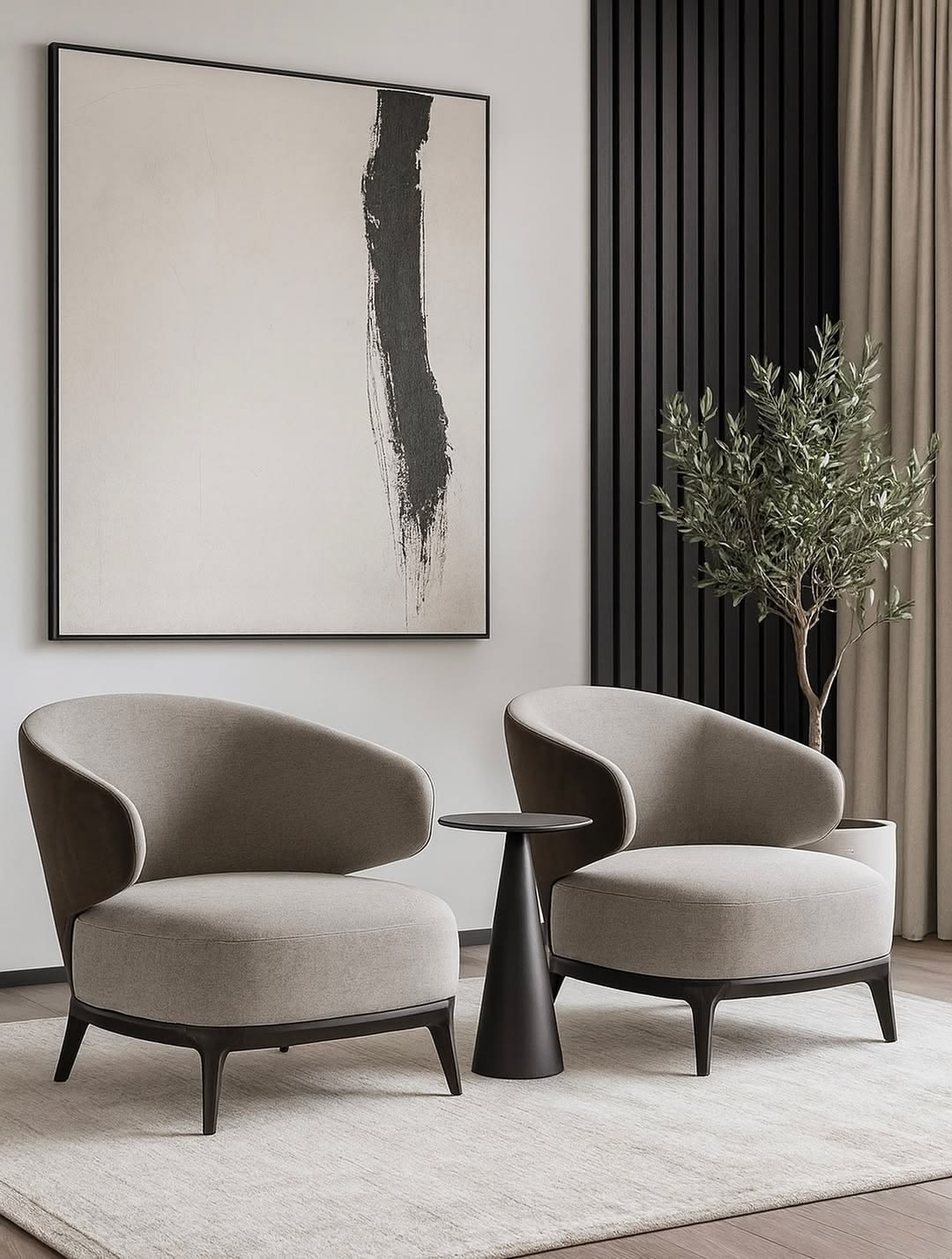
Choosing the right armchair is not only about style, color, and material. Armchair size is equally important because it affects comfort, room layout, movement, and the overall balance of your interior.
An armchair that is too large can make a small room feel crowded, while a chair that is too small may look out of proportion in a spacious living area. Finding the right size means considering both the dimensions of the chair and the available space around it.
Whether you are furnishing a compact apartment, a spacious living room, a bedroom, or a cozy reading corner, understanding armchair dimensions can help you make a more practical choice.
Why Armchair Size Matters
The size of an armchair directly affects how well it fits into your room. Before purchasing a chair, you should consider its width, depth, height, and the amount of space required around it.
Choosing the correct armchair size for your space can help you:
- Create a balanced furniture arrangement
- Maintain comfortable walking paths
- Make better use of available space
- Improve seating comfort
- Prevent the room from feeling overcrowded
- Complement the proportions of existing furniture
A good armchair should provide enough room to sit comfortably without dominating the entire room.
Understanding Armchair Dimensions
Before comparing different armchairs, it is helpful to understand the main dimensions you will see when shopping.
Armchair Width
The width refers to the measurement from one outer side of the chair to the other. It includes the armrests and determines how much floor space the chair occupies horizontally.
A wider armchair can provide a more spacious seating experience, but it also requires more room.
Armchair Depth
Depth measures the distance from the front edge of the seat to the back of the chair. A deeper armchair can be ideal for lounging, while a shallower design may work better in compact rooms.
Consider both the chair’s overall depth and the available space in front of it.
Armchair Height
The overall height is measured from the floor to the highest point of the chair. Height affects the visual appearance of the chair and how it relates to other furniture.
A tall armchair can create a strong visual presence, while a lower design can make a room feel more open.
Seat Height
Seat height is the distance from the floor to the top of the seat cushion. This measurement is particularly important for comfort.
Consider how the seat height relates to your body proportions and the height of nearby furniture, such as coffee tables and side tables.
Seat Width and Depth
The usable seating area is different from the armchair’s overall dimensions. Wide armrests or thick upholstery can reduce the actual sitting area.
When choosing an armchair, check the seat width and seat depth in addition to the overall measurements.
What Is the Standard Armchair Size?
There is no single universal standard for armchair dimensions because designs vary considerably. However, many traditional and contemporary armchairs fall within a general range.
A typical armchair may have an overall width of approximately 70–100 cm, a depth of around 75–100 cm, and a height of approximately 80–100 cm.
These measurements are only general guidelines. Always check the manufacturer’s exact dimensions before purchasing because oversized lounge chairs, compact armchairs, and accent chairs can vary significantly.
Best Armchair Size for a Small Room
If you have a small living room, bedroom, apartment, or studio, a compact armchair can help maximize available space.
Look for a design with:
- A narrower overall width
- A relatively shallow depth
- Slim armrests
- A compact frame
- A visually lightweight design
An armchair around 70–80 cm wide may work well in some compact spaces, depending on the room layout.
Avoid choosing a chair based solely on its appearance. Measure the available area first and make sure there is enough room to move around it comfortably.
Best Armchair Size for a Large Living Room
A spacious living room gives you more flexibility when selecting an armchair. You can consider larger lounge chairs, deeper seats, or wider designs without making the room feel overcrowded.
Larger armchairs can also help fill empty areas and create a more balanced furniture arrangement.
Consider pairing a large armchair with:
- A spacious sofa
- A large coffee table
- A floor lamp
- A side table
- A large area rug
The goal is to create visual balance rather than simply filling empty floor space.
Choosing an Armchair for a Bedroom
An armchair can be a practical addition to a bedroom, especially when placed in an empty corner or near a window.
For smaller bedrooms, choose a compact chair that does not interfere with walking paths or access to the bed.
For larger bedrooms, a deeper lounge-style armchair can create a comfortable reading or relaxation area.
Before choosing the chair, measure the available corner and consider how far the chair will extend into the room.
Choosing an Armchair for a Reading Corner
A reading corner requires enough space not only for the armchair but also for additional accessories.
When choosing an armchair for reading, consider:
- Comfortable seat depth
- Supportive backrest
- Appropriate seat height
- Space for a side table
- Room for a floor lamp
- Enough clearance around the chair
A compact lounge chair can work well in a small reading nook, while a larger armchair can provide additional space for relaxing.
Leave Enough Space Around the Armchair
Measuring the chair itself is not enough. You also need to consider the space around it.
Allow enough clearance for people to walk around the chair and use nearby furniture comfortably. Avoid placing an armchair directly against doors, narrow walkways, or frequently used areas.
If the armchair is positioned near a coffee table, leave sufficient space between the two pieces so that people can sit down and move around comfortably.
How to Measure Your Space for an Armchair
Before buying an armchair, follow these simple steps.
Step 1: Measure the Available Floor Area
Use a measuring tape to determine the width and depth of the area where you plan to place the chair.
Step 2: Measure Doorways and Hallways
The chair may fit perfectly in your room but fail to pass through the entrance. Measure doorways, hallways, staircases, and elevators if necessary.
Step 3: Check the Chair’s Dimensions
Compare your available space with the armchair’s overall width, depth, and height.
Step 4: Consider the Furniture Around It
Measure nearby sofas, tables, cabinets, and other furniture to make sure the new chair will fit naturally into the arrangement.
Step 5: Plan the Walking Path
Visualize how people will move through the room. Make sure the armchair does not block important pathways.
Armchair Size and Interior Style
The size of your armchair should complement your interior design style.
Minimalist Interiors
Choose compact designs with clean lines and a simple silhouette. A visually lightweight armchair can help maintain an open appearance.
Modern Interiors
Modern spaces can accommodate both compact accent chairs and larger lounge-style armchairs. Focus on proportions and clean shapes.
Traditional Interiors
Traditional armchairs may have larger frames, thicker upholstery, and decorative details. Make sure the room has enough space to accommodate their dimensions.
Scandinavian and Japandi Interiors
Look for chairs with simple forms, natural materials, and moderate proportions. Wooden frames and neutral upholstery can complement these styles particularly well.
Armchair Size vs. Sofa Size
If you are adding an armchair to a living room with a sofa, consider how the two pieces relate to each other.
A very small chair next to a large sectional sofa may look visually unbalanced. Similarly, multiple oversized chairs can make a smaller sofa appear less prominent.
You do not need matching dimensions, but the furniture should feel proportional.
Consider the following:
- Overall furniture height
- Seat height
- Width
- Visual weight
- Upholstery thickness
- Distance between furniture pieces
Don’t Forget the Armchair’s Seat Size
Overall dimensions do not tell you everything about comfort. Two armchairs can have the same external width but very different usable seating areas.
A chair with wide armrests may have a smaller seat than a chair with slim arms.
If comfort is a priority, check the seat dimensions carefully. Consider how much space you need to sit naturally and whether you prefer an upright or relaxed seating position.
Oversized Armchairs: When Do They Work?
Oversized armchairs can provide excellent lounging space and create a strong focal point. However, they require more floor area than standard accent chairs.
An oversized armchair can work well when:
- The room has generous floor space
- The chair is intended for lounging
- There is enough clearance around it
- The surrounding furniture is appropriately scaled
For small rooms, an oversized chair can quickly become visually dominant and restrict movement.
Compact Armchairs: When Are They Better?
Compact armchairs are useful when floor space is limited. They can provide additional seating without taking up as much room as a large lounge chair.
They are particularly suitable for:
- Small apartments
- Bedrooms
- Home offices
- Narrow living rooms
- Reading corners
- Entryway seating areas
Look for slim frames and appropriately scaled proportions rather than simply choosing the smallest chair available.
Tips for Choosing the Right Armchair Size
Before making a purchase, keep these tips in mind:
Measure twice: Confirm your available space before ordering.
Check all dimensions: Look at width, depth, height, seat width, and seat height.
Consider clearance: Leave enough room for walking and using nearby furniture.
Think about comfort: A smaller chair is not necessarily better if the seat is too narrow or shallow.
Consider the room’s proportions: Match the chair’s visual weight to the surrounding furniture.
Measure access points: Make sure the armchair can actually enter your home.
Consider how you will use it: A reading chair and a lounging chair may require different dimensions.
Final Thoughts
Choosing the right armchair size can make your room more comfortable, functional, and visually balanced. Instead of choosing a chair based only on its design, consider its width, depth, height, seat dimensions, and the space available around it.
Compact armchairs can work well in smaller rooms, while larger designs may be better suited to spacious living areas. The most important thing is to consider the proportions of the chair in relation to your room and existing furniture.
By measuring your space carefully and understanding armchair dimensions, you can choose a chair that fits comfortably into your home while providing the seating experience and style you want.