
Blog
The Ultimate Guide to Lounge Chair Care and Maintenance

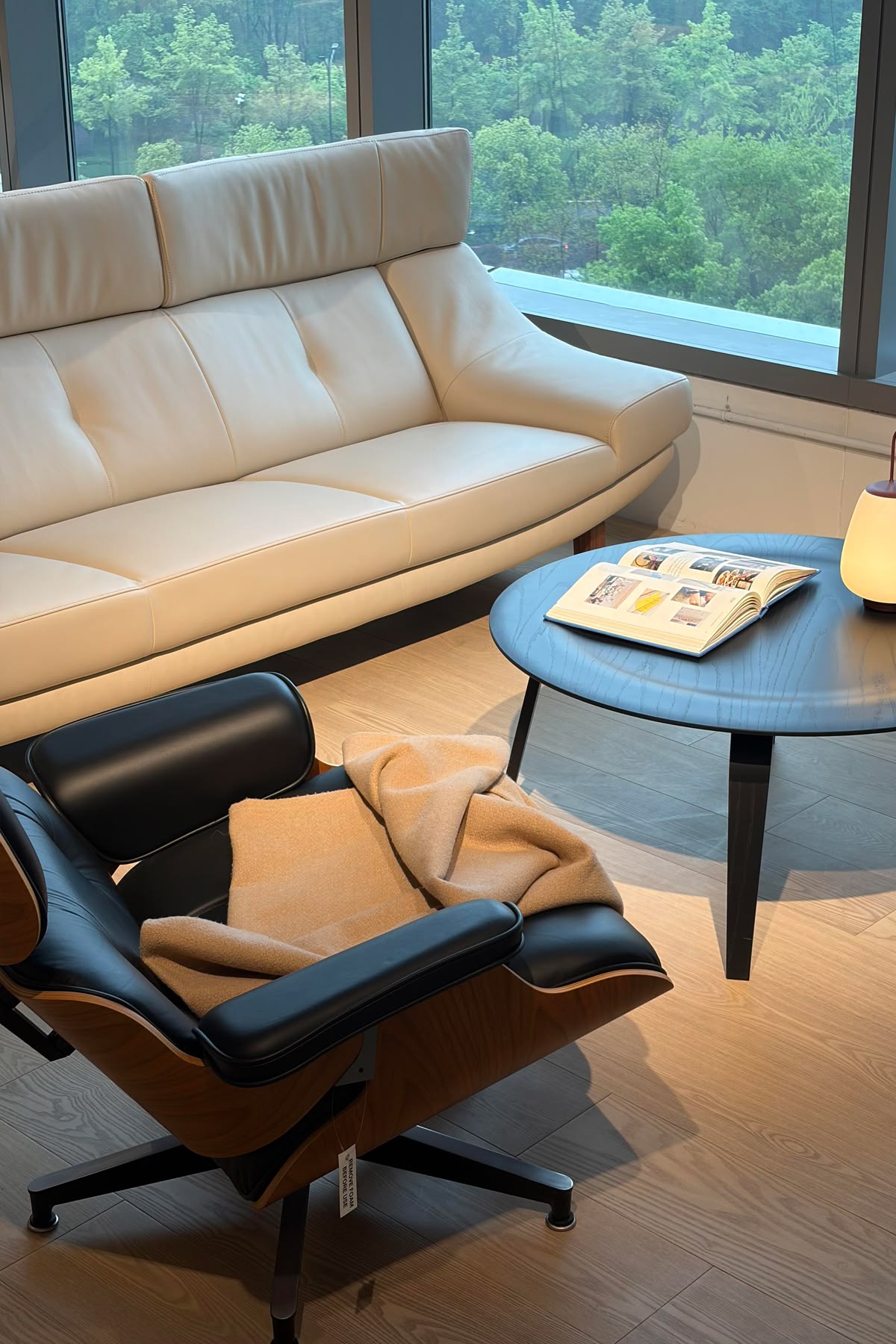
A lounge chair can be more than just a comfortable place to sit. It can become a statement piece that adds style, warmth, and personality to your living room, bedroom, reading corner, or office. However, like any piece of furniture, a lounge chair needs proper care and maintenance to stay comfortable and attractive over time.
Regular cleaning, proper handling, and preventive maintenance can help extend the lifespan of your chair while keeping it looking its best. Whether you own a fabric lounge chair, leather lounge chair, or upholstered accent chair, this guide covers everything you need to know about lounge chair care and maintenance.
Why Is Lounge Chair Maintenance Important?
Daily use exposes your lounge chair to dust, dirt, spills, body oils, and general wear and tear. Without regular maintenance, these elements can gradually affect the chair’s appearance, comfort, and durability.
Proper lounge chair maintenance can help you:
- Prevent dust and dirt from building up
- Reduce stains and unpleasant odors
- Protect upholstery from premature wear
- Maintain the chair’s original appearance
- Preserve cushioning and overall comfort
- Extend the lifespan of your lounge chair
A simple maintenance routine can make a significant difference in keeping your furniture in good condition.
1. Check the Manufacturer’s Care Instructions
Before cleaning your lounge chair, always check the manufacturer’s care label or product instructions. Different materials require different cleaning methods, and using the wrong product can potentially damage the upholstery.
Look for information about:
- Recommended cleaning products
- Washing or cleaning codes
- Suitable cleaning methods
- Whether the cover is removable
- Materials that should be avoided
If you are unsure about a particular cleaning method, test it on a small, hidden area first.
2. Dust Your Lounge Chair Regularly
Dust can accumulate on the surface of your lounge chair and settle into the fabric, seams, and crevices. Regular dusting is one of the easiest ways to maintain upholstered furniture.
Use a soft microfiber cloth or a vacuum cleaner with a suitable upholstery attachment. Gently clean the seat, backrest, armrests, and other exposed areas.
For chairs with textured or woven upholstery, pay extra attention to seams and corners where dust tends to collect.
3. Vacuum Upholstered Lounge Chairs
For fabric lounge chairs, regular vacuuming can help remove dust, crumbs, pet hair, and other small particles.
Use a soft upholstery attachment and vacuum gently. Avoid pressing too hard, as excessive pressure may affect delicate fabrics or upholstery.
For best results, vacuum:
- The seat
- Backrest
- Armrests
- Side panels
- Seams and edges
- Areas underneath removable cushions
Vacuuming your lounge chair once a week can be a practical routine for furniture that receives frequent use.
4. Clean Spills Immediately
Accidental spills are common, especially when a lounge chair is placed in a living room or entertainment area. The key is to act quickly.
When a spill occurs, gently blot the affected area with a clean, absorbent cloth. Avoid rubbing aggressively because rubbing can push the liquid deeper into the fabric and spread the stain.
For stubborn stains, use a cleaning solution that is specifically suitable for your upholstery material and follow the manufacturer’s instructions.
5. Use the Right Cleaning Method for Fabric Upholstery
Fabric lounge chairs come in many different materials, including cotton, linen, polyester, velvet, and blended fabrics. Each material may require a different approach.
For general fabric maintenance:
- Remove loose dust and debris with a vacuum.
- Check the manufacturer’s cleaning instructions.
- Test any cleaning solution on an inconspicuous area.
- Apply the cleaner carefully.
- Avoid excessive moisture.
- Allow the upholstery to dry completely.
Do not soak the upholstery unless the manufacturer specifically recommends it. Excess moisture can contribute to unpleasant odors or other problems.
6. Take Care of Leather Lounge Chairs
Leather lounge chairs require a different type of maintenance compared with fabric chairs. Regular dusting helps prevent dirt from accumulating, while occasional conditioning can help maintain the leather’s appearance.
For routine leather care:
- Wipe the surface with a soft, dry or slightly damp cloth.
- Remove spills as soon as possible.
- Use leather-specific cleaning products when necessary.
- Apply an appropriate leather conditioner according to the manufacturer’s recommendations.
- Keep the chair away from prolonged direct sunlight and excessive heat.
Avoid using household cleaners that are not designed for leather, as they may affect the material’s finish.
7. Protect Your Lounge Chair From Direct Sunlight
Sunlight can gradually cause some upholstery materials and finishes to fade. If your lounge chair is positioned next to a large window, consider using curtains, blinds, or UV-filtering window treatments.
You can also reposition the chair occasionally to help minimize uneven fading.
This is particularly important for brightly colored fabrics, natural materials, and certain types of leather.
8. Avoid Excessive Weight and Improper Use
Lounge chairs are designed for sitting comfortably, but they are not intended to support excessive or unusual loads.
Avoid:
- Standing on the chair
- Jumping on the seat
- Sitting on the armrests
- Placing extremely heavy objects on the chair
- Dragging the chair across the floor
Using the chair as intended helps protect its frame, upholstery, cushioning, and legs from unnecessary stress.
9. Maintain the Chair’s Cushions
Cushions can develop uneven areas after prolonged use. If your lounge chair has removable cushions, rotate or reposition them regularly when the manufacturer’s instructions allow it.
Gently fluffing cushions can also help maintain their shape and comfort.
However, avoid forcing or bending cushions excessively, as this may damage their internal structure.
10. Check the Frame and Legs Regularly
Lounge chair maintenance is not limited to upholstery. The frame, legs, joints, and hardware should also be inspected periodically.
Look for:
- Loose screws or bolts
- Wobbly legs
- Cracks in wooden components
- Damaged joints
- Unusual movement or noises
If you notice a loose component, address it promptly. Small problems can become more difficult to repair when left unattended.
11. Keep Pets From Scratching the Upholstery
If you have pets, your lounge chair may be exposed to fur, dirt, scratches, and accidental stains.
Regular vacuuming can help control pet hair, while washable throws or furniture covers can provide an additional layer of protection.
Providing pets with an appropriate scratching post or designated resting area can also reduce unwanted interaction with your lounge chair.
12. Avoid Harsh Cleaning Products
One of the most common furniture care mistakes is using a cleaning product simply because it works on another household surface.
Bleach, strong detergents, alcohol-based products, abrasive cleaners, and other unsuitable chemicals may damage upholstery or finishes.
Always choose a cleaning product that is compatible with your chair’s specific material.
When in doubt, follow the manufacturer’s recommendations or consult a professional upholstery cleaner.
13. Keep Your Lounge Chair Away From Excessive Moisture
Humidity and moisture can affect certain upholstery materials, wood components, and other furniture materials.
Avoid placing your lounge chair in areas where it is regularly exposed to water, condensation, or excessive humidity. If the chair becomes wet, allow it to dry thoroughly in a well-ventilated area.
Avoid using high heat to speed up the drying process, as excessive heat can potentially damage certain materials.
14. Consider Professional Cleaning
Regular at-home maintenance is important, but professional cleaning may be useful when your lounge chair has deep stains, heavy buildup, or delicate upholstery.
Professional upholstery cleaners can assess the material and select an appropriate cleaning method.
For valuable or delicate lounge chairs, professional care can be particularly useful because improper DIY cleaning may cause permanent damage.
15. Create a Simple Lounge Chair Maintenance Routine
You do not need to spend hours maintaining your furniture. A simple schedule can make lounge chair care much easier.
Weekly
- Vacuum the upholstery
- Remove dust and crumbs
- Check for new stains
- Fluff or reposition cushions if appropriate
Monthly
- Inspect seams and upholstery
- Check the legs and frame
- Clean hard surfaces according to the material
- Look for signs of excessive wear
Every Few Months
- Perform a more thorough cleaning
- Rotate the chair’s position if necessary
- Condition leather when recommended
- Check hardware and structural components
Following a consistent routine can help prevent small problems from becoming major issues.
Common Lounge Chair Care Mistakes to Avoid
Even well-intentioned cleaning can sometimes damage furniture. Avoid these common mistakes:
Scrubbing Stains Aggressively
Rubbing can spread stains and damage delicate fibers. Blot spills gently instead.
Using Too Much Water
Excess moisture can penetrate upholstery and may lead to unpleasant odors or other problems.
Ignoring the Care Label
Every upholstery material has different requirements. Always check the recommended cleaning method before applying a product.
Placing Furniture in Direct Sunlight
Long-term exposure to sunlight may cause certain materials to fade or deteriorate faster.
Dragging the Chair
Dragging can damage chair legs and flooring. Lift the chair carefully when moving it, ideally with assistance for heavier furniture.
How to Make Your Lounge Chair Last Longer
The best way to extend the life of a lounge chair is to combine regular cleaning with careful everyday use.
Keep the chair clean, address spills quickly, protect it from excessive sunlight, and inspect its structure regularly. Choosing the right cleaning products is equally important.
If your lounge chair is made from a delicate material, avoid experimenting with unfamiliar cleaning techniques. Following the manufacturer’s recommendations is generally the safest approach.
Final Thoughts
Proper lounge chair care and maintenance does not have to be complicated. Regular dusting, vacuuming, quick spill treatment, appropriate cleaning products, and careful everyday use can help preserve your chair’s comfort and appearance.
Whether you have a modern fabric lounge chair, a classic leather design, or an upholstered accent chair, investing a little time in maintenance can help your furniture remain attractive and functional for years to come.
By creating a simple cleaning routine and addressing minor issues early, you can enjoy your lounge chair comfortably while protecting your furniture investment.