
Blog
Outdoor Chairs for Every Season: What You Need to Know

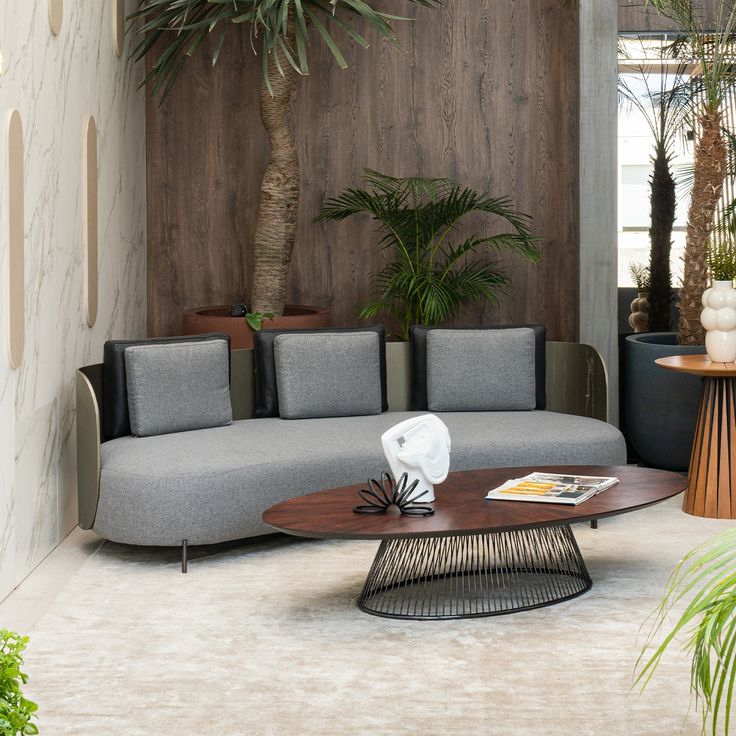
Outdoor chairs are designed to make patios, gardens, balconies, and terraces more comfortable, but outdoor conditions can change significantly throughout the year. Sun, rain, humidity, wind, and temperature changes can all affect outdoor furniture over time.
Choosing the right outdoor chairs is therefore about more than appearance and comfort. It is also about selecting suitable materials, understanding your environment, and knowing how to care for your furniture throughout the year.
With the right approach, outdoor chairs can remain comfortable, attractive, and functional across different seasons.
Why Seasonal Conditions Matter for Outdoor Chairs
Outdoor furniture is constantly exposed to its surrounding environment. Depending on the season and climate, chairs may experience intense sunlight, heavy rain, humidity, dust, or changing temperatures.
These conditions can affect different materials in different ways.
For example, prolonged sunlight can affect certain finishes, while moisture can create additional maintenance requirements. Understanding these factors can help you make better decisions when choosing and caring for outdoor chairs.
Choosing Outdoor Chairs for Year-Round Use
If your chairs will remain outdoors throughout the year, prioritize materials and construction that are suitable for your local environment.
Consider:
- The amount of sunlight your space receives
- How frequently it rains
- Humidity levels
- Wind exposure
- Whether the chairs have covered or uncovered placement
- How often you are willing to perform maintenance
The more exposure your furniture receives, the more important appropriate materials and regular care become.
Outdoor Chairs for Warm and Sunny Weather
Sunny weather can make patios and gardens especially enjoyable. However, prolonged exposure to direct sunlight should be considered when selecting outdoor furniture.
When choosing chairs for sunny areas, think about the material, finish, and location of the furniture.
You can also position chairs in partially shaded areas or use suitable outdoor shade solutions to create a more comfortable seating environment.
During particularly sunny periods, regular cleaning can help keep outdoor furniture looking fresh.
Outdoor Chairs for Rainy Weather
Rain is another important consideration for outdoor chairs.
If your seating area is uncovered, chairs may be exposed to frequent moisture. Choosing suitable outdoor materials can help make maintenance easier.
It is also useful to think about drainage. Chair designs that do not easily retain water can be more practical in rainy conditions.
When possible, allow wet furniture to dry properly before covering or storing it.
Outdoor Chairs in Humid Conditions
Humidity can create additional challenges for outdoor furniture, especially in environments where moisture remains in the air for extended periods.
Good ventilation can help outdoor furniture dry more effectively after rain or cleaning.
Regularly inspect your chairs for accumulated moisture, dirt, or debris. Keeping the furniture clean and dry when possible can contribute to easier long-term maintenance.
Outdoor Chairs During Windy Weather
Wind can be overlooked when planning an outdoor seating area.
Lightweight chairs can be convenient because they are easy to move, but they may also be easier to shift during strong winds.
If your patio, garden, or balcony is exposed to frequent wind, consider stable chair designs and appropriate placement.
When severe weather is expected, moving outdoor furniture into a sheltered area can provide additional protection.
Choosing the Right Outdoor Chair Materials
Material selection plays an important role in year-round outdoor furniture performance.
Metal
Metal chairs can offer sturdy construction and a contemporary appearance. They can work well in a variety of outdoor environments when properly finished and maintained.
Wood
Wooden chairs bring a warm and natural appearance to outdoor spaces. They can complement gardens and patios particularly well, although appropriate care may be required depending on the type of wood and finish.
Plastic
Plastic chairs are often lightweight and practical. They can be convenient for spaces where furniture needs to be moved or stored regularly.
Synthetic Materials
Synthetic materials can provide design flexibility and practical characteristics for outdoor use. They can be suitable for homeowners looking for furniture that combines appearance with everyday practicality.
The best material depends on your climate, placement, maintenance preferences, and desired style.
Think About Covered and Uncovered Areas
Where you place your outdoor chairs can make a major difference in how much environmental exposure they receive.
Chairs under a covered patio may receive less direct sunlight and rain than chairs placed in an open garden.
Similarly, a balcony with an overhead roof may offer more protection than a completely exposed terrace.
When choosing furniture, consider the level of protection already provided by your outdoor space.
Protect Outdoor Chairs When Necessary
Even durable outdoor chairs can benefit from additional protection.
Depending on your environment, you may want to:
- Move chairs into a covered area during severe weather
- Use suitable outdoor furniture covers
- Keep furniture away from standing water
- Remove accumulated dirt regularly
- Allow wet furniture to dry properly
- Store removable cushions when they are not being used
These simple habits can make outdoor furniture easier to maintain throughout the year.
Keep Outdoor Chairs Clean
Regular cleaning is one of the simplest ways to maintain outdoor chairs.
Dust, leaves, dirt, and other outdoor debris can accumulate over time. Cleaning the furniture regularly can help maintain its appearance and prevent buildup.
The appropriate cleaning method depends on the chair material. Always follow the care recommendations for the specific furniture whenever available.
A simple maintenance routine is often easier than waiting until the furniture requires more extensive cleaning.
Consider Outdoor Cushions
Cushions can make outdoor chairs significantly more comfortable, but they require additional care.
If your chairs use cushions, consider whether the fabric is suitable for outdoor use and how easily the covers can be cleaned.
During periods of heavy rain or when the furniture is not being used for extended periods, storing cushions in a dry location can help keep them clean and comfortable.
Seasonal Furniture Arrangement
Different seasons may also change how you use your outdoor space.
During warmer periods, you might want to create a larger seating area for entertaining. At other times, a smaller arrangement may be more practical.
Flexible outdoor chairs make it easier to adapt your patio or garden throughout the year.
Movable and stackable designs can be particularly useful when you frequently change your outdoor layout.
Make Comfort a Year-Round Priority
Weather conditions can influence outdoor comfort just as much as furniture design.
During hot weather, consider how sunlight and airflow affect the seating area. During cooler periods, positioning chairs in a sheltered area can make the space more pleasant.
The right arrangement can help you enjoy your outdoor space more comfortably throughout different times of the year.
Choose Outdoor Chairs That Match Your Lifestyle
Year-round outdoor furniture should fit the way you actually use your space.
If you regularly entertain guests, prioritize flexible seating that can accommodate different arrangements. If you mainly use your garden for quiet relaxation, comfortable lounge-style chairs may be more appropriate.
Consider your typical outdoor activities before choosing your furniture.
The goal is to create an outdoor space that remains useful regardless of seasonal changes.
Plan for Long-Term Durability
Durability is particularly important when outdoor chairs are used throughout the year.
Look beyond the material itself and consider the overall construction, stability, finish, and maintenance requirements.
A well-designed outdoor chair can provide reliable seating while fitting naturally into your outdoor environment.
Taking care of the furniture consistently can also help extend its useful life.
A Simple Year-Round Outdoor Chair Checklist
Before choosing and maintaining your outdoor chairs, consider these questions:
- Will the chairs remain outdoors throughout the year?
- How much sunlight will they receive?
- Are they exposed to frequent rain?
- Is the area humid or windy?
- Are the materials suitable for your environment?
- Can the chairs be moved or stored when necessary?
- Are they easy to clean?
- Do they require additional protection?
- Are the cushions suitable for outdoor use?
- Will the chairs remain comfortable and functional throughout the year?
Thinking about these factors can help you create a more practical outdoor seating setup.
Final Thoughts
Outdoor chairs can be enjoyed throughout the year when they are chosen and maintained with the environment in mind.
From sunny days and rainy periods to humid conditions and changing weather, different seasons can affect how outdoor furniture should be used and cared for. Choosing suitable materials, considering placement, maintaining the chairs regularly, and providing additional protection when necessary can help preserve their comfort and appearance.
Whether you are furnishing a patio, garden, balcony, or terrace, the right outdoor chairs can provide a comfortable seating solution across different seasons.