
Blog
Lounge Chair Design: Balancing Comfort, Function, and Style

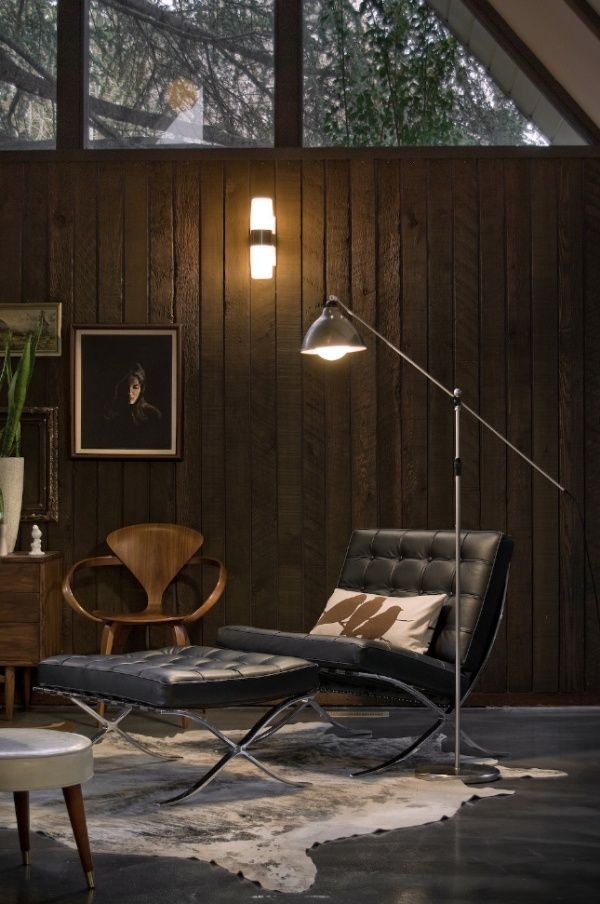
A well-designed lounge chair can transform an ordinary room into a comfortable and inviting space. More than just a place to sit, a lounge chair can become a focal point that combines comfort, functionality, and style. Whether you are furnishing a modern living room, creating a cozy reading corner, or upgrading a home office, choosing the right lounge chair design can make a significant difference.
With so many shapes, materials, colors, and styles available, finding the perfect chair may seem overwhelming. The key is to look beyond appearance and consider how the chair will be used in your everyday life.
In this guide, we explore the essential elements of lounge chair design, including comfort, functionality, materials, proportions, and style, to help you make a well-informed choice.
What Is a Lounge Chair?
A lounge chair is a comfortable, often generously cushioned chair designed for relaxation. Unlike traditional dining or task chairs, lounge chairs typically feature a deeper seat, supportive backrest, and a more relaxed sitting position.
Lounge chairs can be used in various areas of the home, including:
- Living rooms
- Bedrooms
- Reading corners
- Home offices
- Libraries
- Waiting areas
- Hotels and hospitality spaces
Because lounge chairs are available in many designs, they can complement both contemporary and traditional interiors.
Why Lounge Chair Design Matters
Good lounge chair design is about more than aesthetics. A chair may look beautiful, but if it is uncomfortable or unsuitable for the room, it may not provide the value you expect.
A well-designed lounge chair should balance three important factors:
1. Comfort
Comfort is one of the most important considerations when choosing a lounge chair. The seat should provide adequate support while allowing you to relax naturally.
Features such as ergonomic backrests, padded seats, armrests, and appropriate seat depth can contribute to a more comfortable experience.
2. Function
Consider how you plan to use the chair. A lounge chair for reading may need strong back support, while a chair intended for casual relaxation may prioritize a deeper seat and softer cushioning.
Think about whether you want to:
- Read books
- Watch television
- Take short breaks
- Enjoy coffee
- Work occasionally
- Simply relax
Understanding the primary function will make it easier to choose a suitable design.
3. Style
A lounge chair should complement the overall interior design. Its shape, color, material, and proportions can influence the visual character of a room.
For example, a minimalist lounge chair can enhance a contemporary interior, while a leather lounge chair can create a more sophisticated and timeless appearance.
Popular Lounge Chair Design Styles
Different lounge chair styles can create different moods and visual effects. Understanding the most popular designs can help you identify what works best for your space.
Modern Lounge Chairs
Modern lounge chairs often feature clean lines, simple silhouettes, and practical materials. Neutral colors such as beige, gray, white, and black are commonly used.
This style works particularly well in contemporary homes where simplicity and functionality are important.
Mid-Century Modern Lounge Chairs
Mid-century modern lounge chairs are known for their distinctive shapes, wooden frames, tapered legs, and balanced proportions. They can add character to a room without appearing overly decorative.
These chairs are particularly suitable for homeowners who want a combination of vintage inspiration and modern functionality.
Contemporary Lounge Chairs
Contemporary lounge chair designs often experiment with curves, textures, and innovative materials. Rounded silhouettes and sculptural forms can make the chair an attractive focal point.
A contemporary lounge chair can work well in modern living rooms, bedrooms, and stylish apartment interiors.
Leather Lounge Chairs
Leather lounge chairs offer a classic and sophisticated appearance. Genuine and high-quality synthetic leather options can provide different levels of durability, maintenance requirements, and visual appeal.
Brown, black, tan, and cream leather chairs can complement a wide variety of interior styles.
Fabric Lounge Chairs
Fabric lounge chairs provide a softer and more relaxed appearance. They are available in countless colors, patterns, and textures, making them easy to coordinate with different interior themes.
For cozy spaces, textured fabrics and warm neutral tones can create a welcoming atmosphere.
Choosing the Right Lounge Chair Size
Size is an essential part of lounge chair design. A chair that is too large can make a small room feel crowded, while a chair that is too small may look disproportionate in a spacious interior.
Before purchasing a lounge chair, measure:
- Available floor space
- Chair width
- Chair depth
- Overall chair height
- Seat height
- Distance from nearby furniture
Remember to leave enough space around the chair for comfortable movement.
Consider Ergonomics and Seating Comfort
A beautiful lounge chair should also support the body properly. Ergonomic design can help make extended periods of sitting more comfortable.
Pay attention to the following features:
Seat Depth
A deeper seat can create a relaxed sitting position, but excessive depth may make it difficult for shorter users to sit comfortably.
Seat Height
The ideal seat height depends on your body proportions and preferred sitting position. Your feet should be able to rest comfortably on the floor.
Backrest Support
A supportive backrest helps maintain a comfortable posture. Look for designs that provide adequate support around the lower and upper back.
Armrests
Armrests can provide additional comfort, especially when you plan to spend a significant amount of time in the chair.
Selecting the Right Materials
The material of a lounge chair affects its appearance, comfort, durability, and maintenance requirements.
Wood
Wooden frames can provide warmth and durability. Materials such as oak, walnut, and teak are often used in furniture design.
Metal
Metal frames can create a contemporary appearance and provide a strong structural foundation. They are particularly common in modern and industrial lounge chair designs.
Leather
Leather offers a premium appearance and can develop a distinctive character over time. It is also relatively easy to wipe clean compared with many fabric options.
Fabric
Fabric upholstery provides a wide range of colors and textures. However, maintenance requirements vary depending on the type of fabric.
Choose a material based on your lifestyle, cleaning preferences, and the environment where the lounge chair will be placed.
How to Choose the Right Lounge Chair Color
Color can influence how a lounge chair fits into the overall interior.
Neutral colors such as beige, cream, gray, and brown are versatile and can blend easily with existing furniture. Meanwhile, bold shades such as green, blue, or mustard can turn a lounge chair into an eye-catching accent piece.
Consider your existing:
- Wall colors
- Flooring
- Curtains
- Rugs
- Sofa
- Decorative accessories
If the room already contains many patterns and strong colors, a neutral lounge chair may create better visual balance.
Balancing Comfort and Aesthetics
One of the biggest challenges in choosing a lounge chair is finding the right balance between appearance and comfort.
A sculptural chair may look impressive but may not provide enough support for long periods of sitting. Conversely, an extremely soft chair may be comfortable but visually overwhelming in a carefully designed interior.
The best lounge chair design combines both qualities. Look for a chair that feels comfortable while also complementing the proportions, colors, and design language of the room.
Where to Place a Lounge Chair
The placement of a lounge chair can affect both functionality and the overall flow of a room.
Living Room
Place a lounge chair beside a sofa to create additional seating. You can also position it near a window to create a relaxing spot.
Bedroom
A lounge chair can create a comfortable reading corner or provide a convenient place to sit while getting ready.
Home Office
A lounge chair can provide an alternative seating area for reading, taking breaks, or informal conversations.
Reading Corner
Pair a lounge chair with a small side table and floor lamp to create a dedicated reading space.
Tips for Creating a Cohesive Interior
To make your lounge chair feel like a natural part of the room, consider coordinating it with other furniture and accessories.
You can match or complement:
- Upholstery colors
- Wood finishes
- Metal accents
- Textures
- Decorative patterns
- Overall furniture shapes
You do not necessarily need to match everything perfectly. In many cases, subtle contrasts can create a more interesting and layered interior.
Lounge Chair Maintenance Tips
Proper maintenance can help preserve the appearance and comfort of your lounge chair.
For fabric upholstery, vacuum regularly to remove dust and debris. Address spills quickly and follow the manufacturer’s cleaning instructions.
For leather chairs, wipe the surface with a suitable soft cloth and use appropriate leather-care products when necessary.
For wooden and metal components, regular dusting can help prevent buildup and maintain their appearance.
Always check the manufacturer’s care recommendations before using cleaning products.
Final Thoughts
Choosing the right lounge chair design involves more than finding a chair that looks attractive. Comfort, functionality, size, materials, ergonomics, and style all play important roles in creating a successful interior.
The ideal lounge chair should suit your lifestyle while complementing the character of your space. Whether you prefer a modern, mid-century, contemporary, leather, or fabric design, focus on finding the right balance between comfort, function, and style.
With careful consideration, a well-chosen lounge chair can become more than an extra seat—it can be a comfortable and stylish feature that enhances your entire interior.