
Blog
Easy Office Chair Maintenance Tips Everyone Should Know

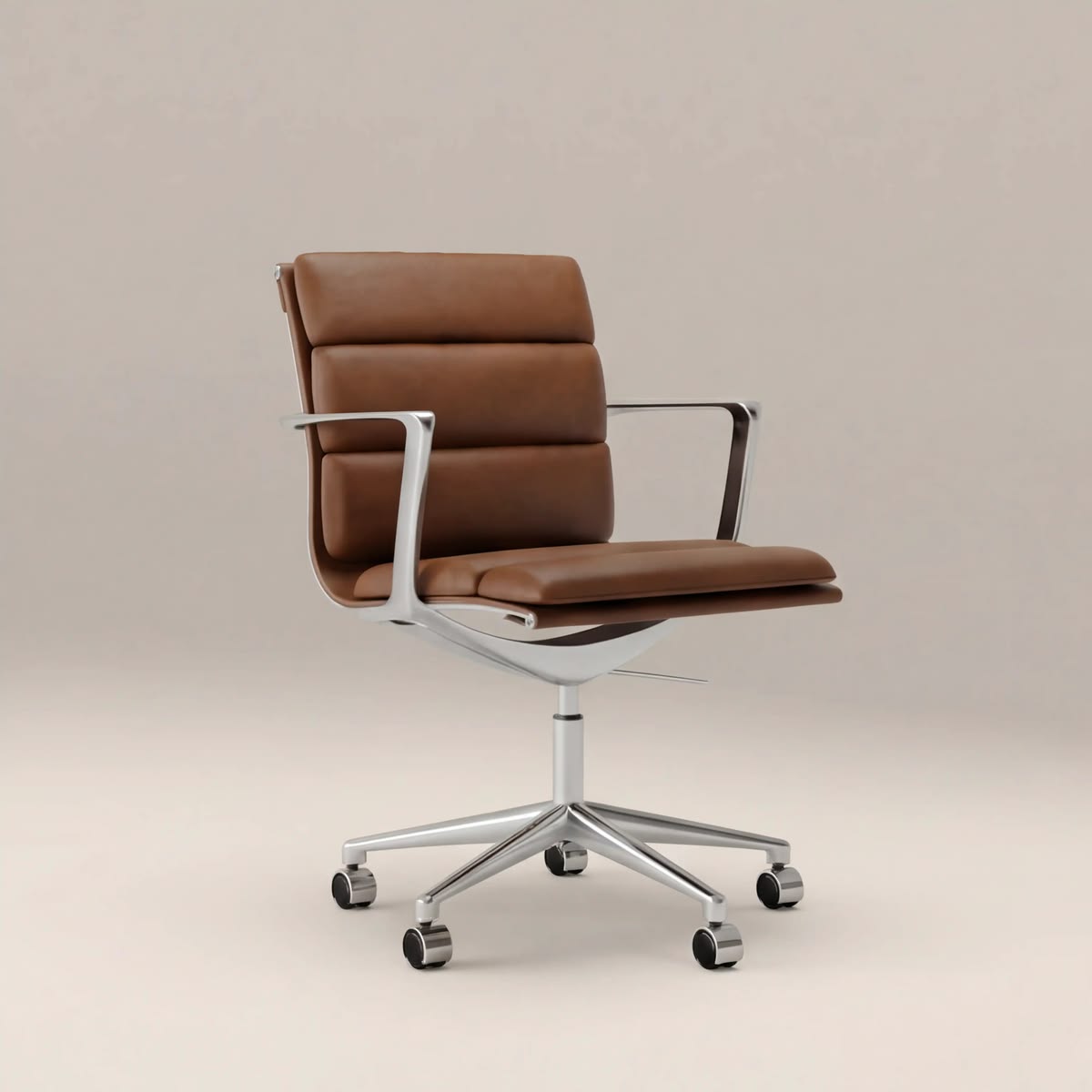
An office chair is one of the most frequently used pieces of furniture in any workspace. Whether you work from home or spend long hours in a professional office, proper office chair maintenance can help keep your chair comfortable, functional, and in good condition for years.
Fortunately, maintaining an office chair does not have to be complicated. With a few simple habits, you can prevent dirt buildup, reduce wear and tear, and identify small problems before they become expensive repairs.
Here are some easy office chair maintenance tips everyone should know.
1. Clean Your Office Chair Regularly
One of the simplest ways to maintain an office chair is to clean it regularly. Dust, dirt, food crumbs, and other debris can accumulate on the seat, backrest, armrests, and base.
For fabric office chairs, use a vacuum cleaner or a soft brush to remove dust and debris. If the chair has leather or synthetic leather upholstery, wipe the surface with a soft, slightly damp cloth.
Avoid using harsh cleaning products unless they are specifically recommended for the chair’s material. Strong chemicals can damage upholstery and cause discoloration.
Regular office chair cleaning not only improves its appearance but can also help maintain the quality of the materials.
2. Check and Tighten the Screws
Office chairs contain several screws, bolts, and other components that can gradually become loose with frequent use. A loose screw may cause the chair to wobble, make unusual noises, or become less stable.
Check the screws and bolts every few months and tighten them when necessary. Pay particular attention to the connections between the seat, backrest, armrests, and base.
This simple step can help prevent unnecessary damage and improve the overall stability of your office chair.
3. Keep the Wheels Clean
The casters or wheels underneath an office chair collect dust, hair, and other debris over time. When this buildup becomes excessive, the wheels may stop moving smoothly.
To maintain the wheels, turn the chair upside down and carefully remove any hair, thread, or dirt caught around the casters. You can use a cloth, small brush, or appropriate tool to clean hard-to-reach areas.
Clean wheels allow the chair to move more easily and can reduce unnecessary strain on the caster mechanism.
4. Lubricate Moving Parts When Necessary
Many office chairs have moving components, including wheels, tilt mechanisms, and height-adjustment systems. If these parts begin to squeak or feel stiff, they may need attention.
Use a lubricant that is suitable for the specific component and follow the manufacturer’s recommendations. Avoid applying excessive lubricant, as it can attract dust and dirt.
If you are unsure which lubricant to use, check the chair’s care instructions or contact the manufacturer.
5. Avoid Putting Excessive Weight on the Chair
Every office chair has a recommended weight capacity. Using a chair beyond its intended capacity can put additional stress on the frame, hydraulic lift, wheels, and other components.
Always check the manufacturer’s weight recommendation and use the chair accordingly.
Avoid standing on the chair or using it as a step stool. These actions can damage the chair and may also create a safety risk.
6. Use the Chair as Intended
An easy but often overlooked part of office chair care is using the chair properly.
Avoid leaning excessively to one side, repeatedly rocking the chair beyond its designed range, or sitting on the armrests. These habits can place unnecessary pressure on the chair’s components.
Using the chair according to its intended purpose can significantly reduce premature wear and tear.
7. Protect the Upholstery
The upholstery is one of the most visible parts of an office chair and can easily become stained or damaged.
Avoid eating messy foods directly over the chair whenever possible. If a spill occurs, clean it as soon as possible using a method appropriate for the upholstery material.
For fabric chairs, follow the manufacturer’s cleaning instructions. For leather or synthetic leather chairs, use products designed specifically for those materials.
Taking care of the upholstery can help preserve both the appearance and comfort of your chair.
8. Check the Height Adjustment Mechanism
The height adjustment system is an important part of an ergonomic office chair. If the chair suddenly sinks, does not stay at the desired height, or becomes difficult to adjust, the mechanism may require inspection.
Do not attempt to disassemble the gas lift unless you know how to do so safely. If the mechanism appears damaged, consider contacting the manufacturer or a qualified repair service.
Regularly checking the adjustment mechanism can help you identify potential problems early.
9. Inspect the Chair Base
The base supports the entire chair, so it should not be overlooked during routine maintenance.
Look for cracks, unusual bends, loose connections, or other visible damage. Also check whether the base remains stable when you sit down and move around.
If you notice significant structural damage, stop using the chair until it has been properly inspected or repaired.
10. Avoid Direct Sunlight and Excessive Heat
Where you place your office chair can also affect its lifespan. Prolonged exposure to direct sunlight may cause some upholstery materials to fade, dry out, or deteriorate over time.
Whenever possible, position your chair away from intense direct sunlight and heat sources. This is particularly important for leather and synthetic leather upholstery.
A suitable environment can help protect the chair’s materials and maintain its appearance.
11. Adjust the Chair for Proper Use
Maintenance is not only about cleaning and repairs. Proper adjustment can also help reduce unnecessary stress on the chair.
Adjust the seat height so that your feet can rest comfortably on the floor. Position the backrest and armrests according to your needs, and use the tilt function as intended.
Proper ergonomic adjustment can make your chair more comfortable while helping you use its mechanisms correctly.
12. Follow the Manufacturer’s Care Instructions
Different office chairs use different materials and mechanisms, so there is no single maintenance method that works for every chair.
Always check the manufacturer’s care instructions before using cleaning products, lubricants, or replacement parts. The manufacturer’s recommendations can help you avoid accidentally damaging the chair.
If your chair is still under warranty, professional servicing may also be preferable to attempting repairs yourself.
How Often Should You Maintain an Office Chair?
The ideal maintenance schedule depends on how frequently the chair is used. For a chair used every day, a quick cleaning once a week and a more thorough inspection every few months can be a practical routine.
Here is a simple maintenance schedule:
- Weekly: Remove dust, crumbs, and visible dirt.
- Monthly: Check the wheels, upholstery, and adjustment mechanisms.
- Every few months: Tighten loose screws and inspect the chair’s base and moving parts.
- When necessary: Clean spills immediately and address unusual noises or movement.
Consistent maintenance is usually easier and more affordable than waiting until a major problem develops.
Why Is Office Chair Maintenance Important?
Regular office chair maintenance can provide several benefits. It can help extend the chair’s lifespan, maintain its appearance, improve comfort, and reduce the likelihood of unexpected problems.
A well-maintained office chair can also support a more comfortable workspace. Since many people spend several hours sitting while working, keeping the chair in good condition is an important part of maintaining an efficient office environment.
Final Thoughts
Taking care of an office chair does not require a lot of time or complicated tools. Simple habits such as regular cleaning, checking screws, maintaining the wheels, protecting the upholstery, and inspecting moving parts can make a noticeable difference.
Whether you have a traditional office chair or an ergonomic model, consistent office chair care can help preserve its comfort, functionality, and appearance.
By spending a few minutes on basic maintenance regularly, you can keep your office chair working properly and potentially enjoy it for much longer.