
Blog
The Ultimate Guide to Choosing Comfortable Outdoor Chairs

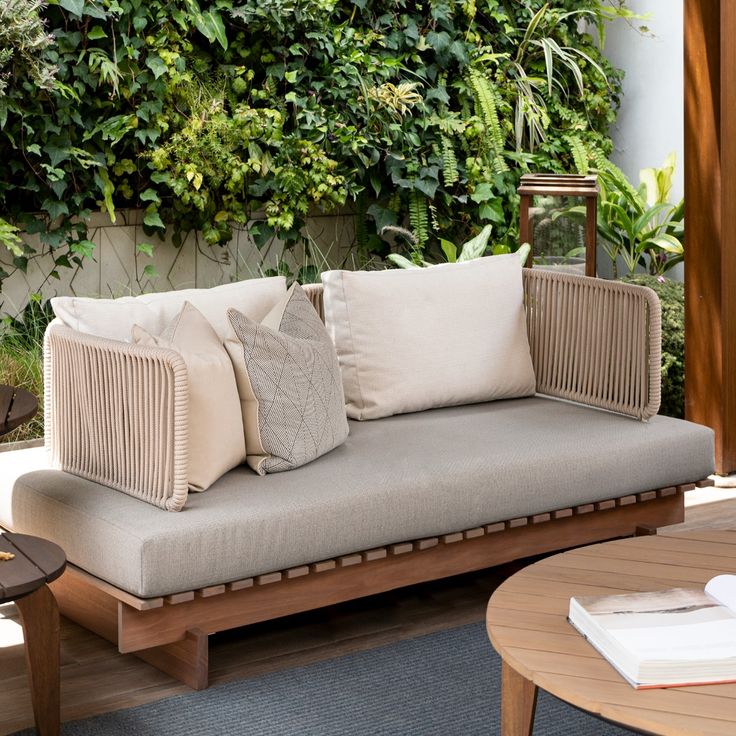
Choosing the right outdoor chairs is about more than finding a design that looks good. Since outdoor seating is often used for dining, relaxing, socializing, or enjoying quiet moments outside, comfort should be one of the most important factors to consider.
The best outdoor chairs combine supportive design, suitable materials, durability, and a style that complements your outdoor space. Whether you are furnishing a spacious patio, a cozy balcony, a garden, or a commercial outdoor area, choosing comfortable outdoor chairs can make the entire space more enjoyable.
This ultimate guide will help you understand what to look for when selecting outdoor chairs that provide lasting comfort and practical everyday use.
Why Comfort Matters in Outdoor Chairs
Outdoor spaces are often designed for spending time, not simply passing through. You may sit outside for a few minutes with a coffee or spend several hours having dinner with friends and family.
An uncomfortable chair can quickly make even a beautiful outdoor space less enjoyable.
Comfortable outdoor chairs should provide:
- Proper back support
- A comfortable seat shape
- Enough space to sit naturally
- Good posture support
- Suitable seat height
- Materials that feel comfortable during use
- A design appropriate for the intended activity
When these elements work together, outdoor seating becomes more inviting and functional.
Consider How You Will Use the Chairs
Before choosing an outdoor chair, think about how you plan to use it. Different activities may require different levels of support and comfort.
For example, outdoor dining chairs should allow people to sit comfortably around a table, while lounge-style chairs may be better suited for relaxing, reading, or enjoying the view.
Consider whether your chairs will primarily be used for:
- Outdoor dining
- Morning coffee
- Entertaining guests
- Relaxing in the garden
- Poolside seating
- Balcony seating
- Outdoor work
- Restaurants and hospitality spaces
Understanding the purpose of your outdoor seating makes it easier to choose a design that provides the right type of comfort.
Look for Good Back Support
Back support is one of the most important characteristics of a comfortable chair. A chair may look stylish, but if its backrest does not provide adequate support, it can become uncomfortable after extended use.
Look for outdoor chairs with backrests that support a natural sitting position. The shape and angle of the backrest should complement the way the chair is intended to be used.
For dining areas, an upright supportive backrest can be practical. For relaxing areas, a more relaxed backrest design may provide a more comfortable experience.
Pay Attention to the Seat Design
The seat itself plays an important role in overall comfort. A well-designed seat should provide enough support without putting unnecessary pressure on the body.
Consider the seat’s:
- Width
- Depth
- Shape
- Height
- Surface texture
- Overall support
A seat that is too narrow may feel restrictive, while one that is too deep may make it difficult to maintain a comfortable posture.
The goal is to find a balance between support and freedom of movement.
Choose Materials That Suit Your Outdoor Environment
Material affects both comfort and practicality. Outdoor chairs are exposed to sunlight, humidity, temperature changes, and other environmental conditions, so choosing suitable materials is important.
Metal Outdoor Chairs
Metal chairs can provide a strong and modern appearance. Depending on the design and finish, they can work well for patios, dining areas, balconies, and commercial spaces.
For greater comfort, consider designs with ergonomic shapes, smooth surfaces, or cushions when appropriate.
Wooden Outdoor Chairs
Wood can create a warm and natural atmosphere. Wooden outdoor chairs are particularly suitable for gardens, patios, and outdoor areas designed around natural materials.
The type of wood, finish, and maintenance requirements should be considered when choosing wooden seating for outdoor use.
Plastic Outdoor Chairs
Plastic chairs are often lightweight and practical. They can be useful when you need seating that is easy to move, clean, or rearrange.
Their simple construction also makes them suitable for flexible outdoor spaces where seating needs to change frequently.
Synthetic Materials
Synthetic materials can offer a combination of durability, flexibility, and contemporary style. Depending on the specific material and construction, they can be suitable for a variety of outdoor environments.
Think About Seat Height
Seat height can have a significant effect on comfort, especially when outdoor chairs are used around a table.
A chair that is too high or too low can make dining uncomfortable and affect posture. When choosing dining chairs, consider the height of the table as well as the proportions of the chair.
For lounge seating, the ideal height may be different because the chair is designed for a more relaxed sitting position.
Consider Breathability
Outdoor temperatures can make certain chair materials feel uncomfortable, particularly under direct sunlight.
If your outdoor area receives a lot of sunlight, consider chair designs that promote airflow or use materials suitable for warm conditions.
Breathable construction can help make outdoor seating more comfortable during longer periods of use.
Think About Cushions and Accessories
Cushions can add another layer of comfort to outdoor chairs. They can make firm seating surfaces softer and provide additional support.
However, outdoor cushions should be selected carefully. Look for options designed for outdoor environments and consider how easily they can be cleaned and stored.
If your outdoor space experiences frequent rain or strong sunlight, removable cushions can also make maintenance more convenient.
Choose Chairs That Match Your Space
Comfort is essential, but the chair should also work visually with its surroundings.
For a modern patio, clean and simple outdoor chairs can create a contemporary look. A garden may benefit from natural-looking materials and softer shapes, while a balcony may require compact designs that maximize available space.
Think about:
- The size of your outdoor area
- Existing furniture
- Architectural style
- Color preferences
- Available walking space
- How many chairs you need
A comfortable chair should feel natural within the space rather than making the area feel crowded.
Comfortable Outdoor Chairs for Small Spaces
Small outdoor spaces require thoughtful furniture choices. A balcony or compact patio may not have enough room for large lounge chairs.
In these situations, consider chairs that are:
- Lightweight
- Compact
- Stackable
- Foldable
- Easy to move
- Proportional to the space
Space-saving designs can provide comfortable seating without overwhelming the area.
Don’t Forget Durability
A comfortable outdoor chair also needs to withstand regular outdoor use. Durability is especially important when chairs are exposed to changing weather conditions.
When evaluating outdoor chairs, consider the construction quality, material, finish, and intended environment.
A durable design can provide more consistent performance over time and reduce the need for frequent replacement.
Easy Maintenance Adds to Everyday Comfort
Comfort is not only about how a chair feels when you sit on it. It is also about how easy it is to keep the chair ready for use.
Outdoor chairs that are simple to clean and maintain can make your outdoor area more convenient.
Consider choosing designs with surfaces that can be easily wiped down and materials appropriate for your local outdoor conditions.
Easy maintenance is especially valuable for restaurants, hospitality businesses, and households that use their outdoor spaces frequently.
Consider the Climate
Your local climate should influence your outdoor furniture choices.
If your area experiences frequent rain or high humidity, prioritize materials and finishes designed for outdoor conditions. In hot and sunny environments, consider how the chair’s material and surface will perform when exposed to direct sunlight.
Thinking about the climate before purchasing can help you choose outdoor chairs that remain comfortable and practical for longer.
Test the Chair Before Buying
Whenever possible, sit in the chair before making a final decision. A chair that looks comfortable in a photograph may feel different in person.
Pay attention to:
- Back support
- Seat depth
- Seat width
- Seat height
- Posture
- Stability
- Overall feel
If you are buying chairs online, carefully review the product dimensions and specifications. Comparing measurements with a chair you already find comfortable can also help.
Think About Long-Term Use
A good outdoor chair should work well not only on the first day but throughout its intended lifespan.
Instead of focusing only on appearance or initial price, consider the complete experience of owning the chair. Comfort, durability, maintenance, flexibility, and design all contribute to long-term value.
A thoughtfully selected chair can become an important part of your outdoor lifestyle.
Create a More Comfortable Outdoor Space
Outdoor chairs are only one part of a comfortable outdoor environment. The surrounding layout can also influence how enjoyable the space feels.
Combine your chairs with suitable tables, shade, lighting, cushions, and other outdoor furniture to create an inviting atmosphere.
Arrange the seating so people can move comfortably and interact naturally. A well-planned layout can make even a small outdoor area feel more functional.
Final Thoughts
Choosing comfortable outdoor chairs requires more than selecting a visually appealing design. You need to consider how the chairs will be used, the level of back and seat support they provide, the materials, dimensions, climate, durability, and maintenance requirements.
Whether you are furnishing a patio, garden, balcony, poolside area, or commercial outdoor space, the right outdoor chairs can make the environment more comfortable and enjoyable.
Take the time to understand your space and your seating needs, then choose outdoor chairs that balance comfort, durability, functionality, and style.