
Blog
How to Choose the Best Functional Chair for Your Needs

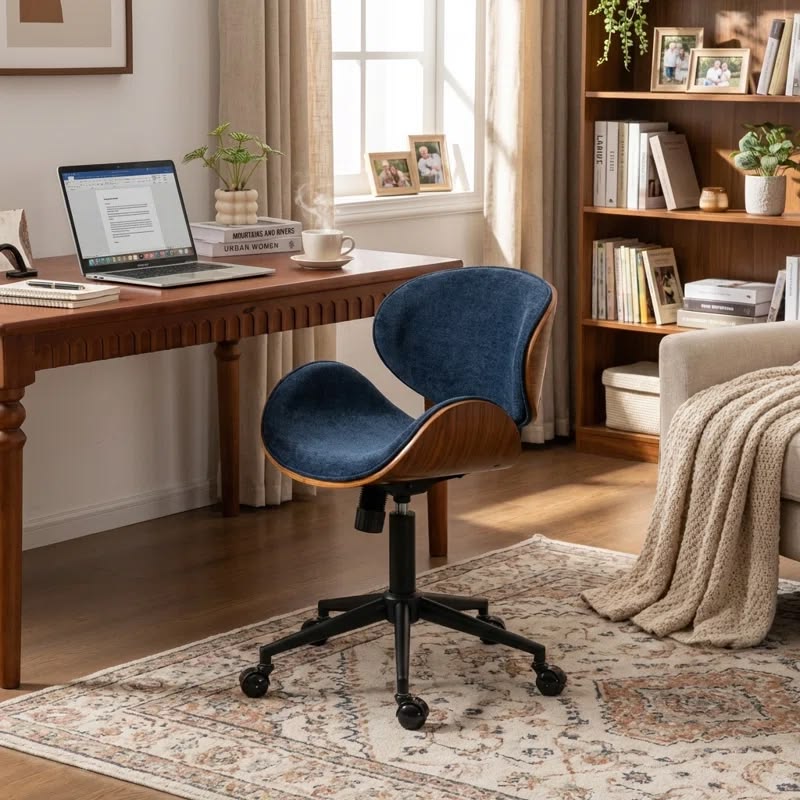
Choosing the right chair is about more than finding something that looks good. A well-designed functional chair can improve comfort, support better posture, and make your everyday activities more enjoyable.
Whether you need a chair for your home office, dining area, living room, bedroom, or workspace, the right choice should balance comfort, functionality, durability, and design.
With so many options available, how do you know which chair is right for you?
In this guide, we’ll explore the key factors to consider when choosing the best functional chair for your needs.
What Is a Functional Chair?
A functional chair is designed to provide more than just a place to sit. It combines practical features, comfort, support, and usability to suit specific everyday needs.
Depending on its design, a functional chair may offer features such as:
- Ergonomic back support
- Adjustable height or position
- Comfortable cushioning
- Armrests
- Foldable or space-saving construction
- Durable materials
- Multifunctional use
- Easy mobility
- Modern and adaptable design
The best functional chair depends on how and where you plan to use it.
1. Consider How You Will Use the Chair
Before choosing a chair, determine its primary purpose.
A chair designed for long hours of work will have different requirements from a chair intended for occasional dining or relaxing.
For Work and Home Offices
If you spend several hours sitting at a desk, prioritize ergonomics and support. Look for features such as adjustable seat height, adequate lumbar support, a supportive backrest, comfortable cushioning, armrests, and a stable base.
An ergonomic chair can help you maintain a more comfortable sitting position throughout the day.
For Dining Areas
Dining chairs should provide a combination of comfort, stability, and style. Consider the chair’s height in relation to your dining table and choose materials that are easy to maintain.
For Living Spaces
For a living room or lounge area, comfort and appearance often become equally important. A padded or upholstered functional chair can provide a comfortable place to relax while complementing your interior design.
For Small Spaces
If you’re working with limited space, consider a multifunctional or space-saving chair. Foldable, stackable, or lightweight designs can make it easier to adapt your room whenever your needs change.
2. Prioritize Comfort and Ergonomics
Comfort is one of the most important factors when choosing a functional chair.
A chair may look stylish, but if it becomes uncomfortable after a few minutes, it may not be the right choice for everyday use.
Pay attention to several important features.
Seat Height
Your feet should be able to rest comfortably on the floor while your knees remain in a natural position. Adjustable seat height can be particularly useful for work chairs.
Seat Depth and Width
A seat should provide enough room without making you feel unsupported. Your body should fit naturally within the seating area.
Back Support
Good back support can make a significant difference, especially if you spend extended periods sitting. A supportive backrest should accommodate the natural shape of your back.
Cushioning
The right amount of cushioning provides comfort without making the chair feel unstable. Consider the type and density of the padding as well as the upholstery material.
3. Choose the Right Material
The material of a chair affects its comfort, durability, maintenance, and appearance.
Different materials can be suitable for different environments.
Fabric
Fabric chairs can provide a soft and comfortable seating experience. They are available in a wide variety of colors and textures, making them easy to incorporate into different interior styles.
Leather and Faux Leather
Leather and synthetic leather can create a sophisticated appearance and are generally easy to wipe clean. They can be suitable for offices, dining areas, and modern interiors.
Wood
Wooden chairs offer a classic and natural appearance. Depending on the design and finish, they can work well in dining rooms, living spaces, and minimalist interiors.
Plastic and Composite Materials
These materials can provide lightweight and practical seating solutions. They are often useful for spaces where easy cleaning and mobility are important.
4. Check the Chair’s Durability
A functional chair should be able to handle regular use.
Before purchasing, pay attention to the frame construction, joints, base, materials, and weight capacity.
A durable chair doesn’t necessarily have to be bulky. Good construction and quality materials can provide strength while maintaining a clean and modern appearance.
If the chair will be used frequently, investing in a well-built product can also reduce the need for frequent replacement.
5. Think About Your Available Space
The size of your room should influence your chair choice.
A large chair may provide excellent comfort, but it can make a small room feel crowded. On the other hand, a compact chair can help maximize available space.
Before buying, measure the available floor space and consider the chair’s width, depth, and height.
Also make sure there is enough clearance around the chair for comfortable movement.
For smaller rooms, consider compact, stackable, foldable, or multifunctional chairs.
6. Match the Chair With Your Interior Design
Functionality doesn’t mean you have to sacrifice style.
A good functional chair should complement the surrounding environment.
For a modern interior, you might consider clean lines and minimalist shapes. For a more traditional space, natural materials and classic forms may work better.
You can also use the chair as an accent piece by choosing a distinctive shape, texture, or color.
The goal is to find a balance between function and aesthetics.
7. Consider Maintenance and Cleaning
Think about how much maintenance you’re willing to do before choosing a chair.
If the chair will be used in a dining area, workspace, or high-traffic environment, easy-to-clean materials can be particularly practical.
Consider whether the material can be wiped clean easily, resists stains, requires special cleaning products, and maintains its appearance over time.
A low-maintenance functional chair can save you time and effort in the long run.
8. Look for Multifunctional Features
One of the biggest advantages of a functional chair is versatility.
A multifunctional chair can serve different purposes depending on your needs. For example, a chair may work as an office seat during the day and an additional seating option when you have guests.
Features such as adjustable components, wheels, foldable frames, or lightweight construction can make a chair more adaptable.
When comparing products, ask yourself:
“Can this chair solve more than one problem?”
If the answer is yes, it may provide more value for your space.
9. Consider Your Budget
Price is another important factor when choosing the best functional chair.
Instead of focusing only on the initial price, consider the overall value of the product.
A more affordable chair may seem attractive, but if it needs to be replaced frequently, the long-term cost can become higher.
When comparing chairs, evaluate the material quality, construction, comfort, features, durability, warranty, and maintenance requirements.
The best choice is not necessarily the cheapest chair. It is the chair that provides the right combination of quality, functionality, comfort, and value for your needs.
Functional Chair Buying Checklist
Before purchasing your next chair, ask yourself these questions:
- What will I primarily use the chair for?
- Will I use it for short periods or several hours at a time?
- Does the chair provide adequate back and seat support?
- Is the chair the right size for my body?
- Will it fit comfortably in my available space?
- Is the material suitable for my environment?
- Is it durable enough for regular use?
- Is it easy to clean and maintain?
- Does the design complement my interior?
- Does it offer useful functional features?
- Does it fit within my budget?
Answering these questions can make it easier to narrow down your options and find a chair that matches your lifestyle.
Final Thoughts: Find a Chair That Works for You
Choosing the best functional chair doesn’t have to be complicated.
Start by identifying how you plan to use the chair, then consider comfort, ergonomics, materials, durability, size, maintenance, design, and budget.
The ideal chair is one that fits naturally into your lifestyle and space while providing the comfort and functionality you need every day.
Whether you’re furnishing a home office, upgrading your dining area, or looking for a versatile seating solution, choosing a functional chair carefully can make a noticeable difference.
Looking for a chair that combines functionality, comfort, and style? Explore our collection of functional chairs and find the right fit for your space.