
Blog
Functional Seating Solutions for Homes, Offices, and More

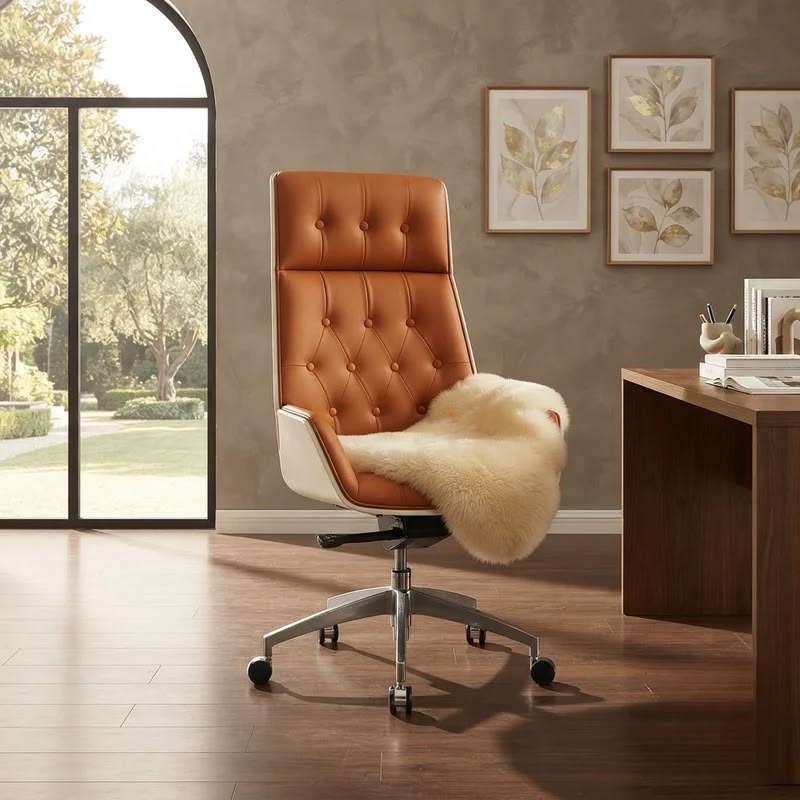
Choosing the right seating can have a major impact on how a space looks, feels, and functions. A chair is not simply a place to sit—it can support productivity, relaxation, collaboration, dining, and everyday activities.
As modern spaces become increasingly flexible, furniture needs to adapt to different needs. Functional seating provides a practical solution by combining comfort, usability, durability, and thoughtful design.
From homes and offices to study areas, hospitality spaces, and commercial environments, the right functional chairs can help create spaces that work better for the people who use them.
What Are Functional Seating Solutions?
Functional seating refers to chairs and other seating designs created with specific practical needs in mind.
Rather than focusing only on appearance, functional seating considers factors such as:
- Comfort
- Ergonomics
- Durability
- Flexibility
- Space efficiency
- Mobility
- Ease of maintenance
The ideal combination depends on where the seating will be used and what activities it needs to support.
Functional Seating for Modern Homes
Homes often need furniture that can support multiple activities.
A living room may be used for relaxing, reading, entertaining guests, or even working. A dining area may also become a study or workspace.
Functional chairs can help make these spaces more adaptable.
Compact, comfortable, and versatile designs can provide practical seating without overwhelming the room. This is particularly valuable for apartments and homes with limited floor space.
Create a Comfortable Home Office
Working from home has made comfortable seating an important part of many residential spaces.
A functional office chair can provide ergonomic support while allowing users to adjust their seating position according to their needs.
Features such as adjustable seat height, supportive backrests, armrests, and reclining functions can contribute to a more comfortable workspace.
The chair should also work well with the desk and the overall layout of the room.
Functional Seating for Dining Areas
Dining chairs need to combine comfort with everyday practicality.
A well-designed dining chair should provide comfortable seating during meals while fitting naturally around the dining table.
If the dining area is also used for studying, working, or entertaining, versatile chairs can make the space more adaptable.
Easy-to-maintain materials can also be valuable for dining environments where spills and regular cleaning are part of everyday life.
Make Small Spaces More Efficient
Limited space requires thoughtful furniture choices.
Functional chairs with compact profiles can provide comfortable seating while leaving enough room for movement. Stackable, lightweight, or movable chairs can provide additional flexibility.
For example, extra chairs can be stored when they are not needed and brought out when guests arrive.
This allows a small room to support different activities without becoming permanently crowded.
Functional Seating for Offices
Office environments require seating that supports productivity and different working styles.
Employees may spend hours at desks, participate in meetings, collaborate with colleagues, or move between different work areas.
Functional office chairs can support these activities through ergonomic designs, mobility, and adjustability.
For flexible workplaces, movable seating can also make it easier to transform a space from individual workstations into collaborative areas.
Seating for Meeting and Collaboration Areas
Meeting spaces often require a different type of functionality.
Chairs should be comfortable enough for discussions while remaining practical to move and rearrange.
Lightweight and flexible seating can allow teams to quickly change the room layout depending on whether they are holding a presentation, meeting, workshop, or group discussion.
This makes functional seating particularly useful in multipurpose office environments.
Functional Chairs for Study Areas
Study spaces benefit from seating that encourages comfortable and focused work.
A suitable functional chair can provide appropriate back support and seat positioning for reading, writing, or computer-based activities.
In schools, libraries, and home study areas, practical designs can also make it easier to maintain an organized environment.
The right chair should support concentration without making the space feel unnecessarily bulky.
Seating Solutions for Commercial Spaces
Functional seating can also be valuable in commercial environments.
Restaurants, cafés, waiting areas, coworking spaces, studios, and other businesses often need chairs that can handle frequent use while maintaining a comfortable customer experience.
In these environments, durability and easy maintenance can be just as important as appearance.
The seating should support the needs of the business while complementing its overall brand and interior design.
Consider Outdoor Functional Seating
Functional seating is not limited to indoor environments.
Outdoor chairs can provide practical seating for patios, gardens, balconies, terraces, cafés, and other outdoor areas.
When choosing outdoor functional seating, consider factors such as weather exposure, materials, durability, comfort, and maintenance.
Flexible outdoor chairs can also make it easier to rearrange seating for dining, relaxing, or entertaining.
Choose Seating Based on the Activity
The best seating solution depends on what people will actually do in the space.
Consider whether the area will primarily be used for:
- Working
- Studying
- Dining
- Relaxing
- Meetings
- Collaboration
- Entertaining
- Waiting
- Socializing
Once the main activities are clear, it becomes easier to identify the features that matter most.
Comfort Should Always Be a Priority
Functionality has little value if the chair is uncomfortable.
Consider the seat shape, cushioning, back support, seat height, and overall proportions.
For seating intended for longer periods, ergonomic design becomes particularly important.
A comfortable chair can encourage people to use a space for longer and make everyday activities more enjoyable.
Look for Flexible Designs
Flexibility allows furniture to adapt when needs change.
Movable chairs can be repositioned quickly, while stackable designs can make storage easier. Adjustable chairs can allow users to personalize their seating position.
The right type of flexibility depends on the environment.
A home may benefit from versatile seating, while an office may prioritize mobility and adjustability.
Think About Durability
Functional seating is often used frequently, so durability should be part of the decision.
Consider the frame, construction, materials, and overall build quality. Chairs used in busy environments should be able to withstand repeated everyday use.
Choosing durable seating can also reduce the need for frequent replacement and help maintain a consistent environment over time.
Choose Materials That Fit the Space
Material selection affects the appearance, comfort, durability, and maintenance of a chair.
Wood can bring warmth and natural character. Metal can provide a modern appearance and structural strength. Plastic can offer lightweight practicality, while upholstered materials can provide a softer seating experience.
Think about the environment and expected usage before making a choice.
The right material should support both the practical requirements and visual character of the space.
Keep Maintenance Practical
Easy maintenance can make functional seating even more useful.
In offices, restaurants, schools, and other high-use environments, chairs may need to be cleaned regularly.
Choosing materials and surfaces that are appropriate for the expected maintenance routine can help keep seating looking clean and presentable.
A practical chair should not create unnecessary maintenance challenges.
Match Functionality With Interior Design
Functional seating should also complement the surrounding environment.
A chair can contribute to the visual identity of a room through its shape, material, color, and finish.
For modern interiors, streamlined designs may work well. Natural materials can add warmth, while more distinctive forms can become part of the room’s visual character.
The goal is to create seating that performs well without looking out of place.
Create Flexible Multipurpose Spaces
One of the biggest advantages of functional seating is its ability to support multipurpose environments.
A single room can become a workspace in the morning, a meeting area during the afternoon, and a social space later in the day.
Flexible chairs make these transitions easier by allowing the furniture arrangement to change as needed.
This approach can help maximize the value of available space.
Consider the Number of Chairs You Need
More chairs do not always mean a better seating arrangement.
Too many chairs can make a space feel crowded, while too few may limit its functionality.
Consider how many people typically use the area and whether additional seating is only required occasionally.
For flexible spaces, stackable or movable chairs can provide extra capacity without permanently occupying valuable floor space.
Think About Long-Term Use
When choosing functional seating, consider how the chair will perform over time.
Think about expected usage, maintenance, durability, and whether the design can adapt to changing needs.
A chair that remains useful across different situations can provide more value than one designed for a very limited purpose.
A Practical Guide to Choosing Functional Seating
Before selecting functional chairs, consider:
- Where will the chairs be used?
- What activities will they support?
- How frequently will they be used?
- How long will people typically sit?
- What level of ergonomic support is needed?
- Does the space require movable or stackable seating?
- Which materials are appropriate?
- How easy are the chairs to maintain?
- How durable is the construction?
- Does the design match the surrounding space?
- Can the seating adapt to future needs?
These questions can help you find seating that balances practicality, comfort, and design.
Final Thoughts
Functional seating solutions can make homes, offices, and commercial spaces more comfortable, flexible, and efficient.
The right functional chair can support different activities while helping you make better use of available space. Whether you need ergonomic office seating, comfortable dining chairs, flexible study seating, or practical outdoor furniture, functionality should always be considered alongside design.
Instead of choosing furniture based solely on appearance, think about how the seating will be used every day. When comfort, durability, flexibility, and style come together, functional seating can become an important part of a space that works better.
Looking for practical seating solutions for your space? Explore our functional chair collection and discover designs made to combine comfort, functionality, and modern style.