
Blog
Comfort Meets Style: Choosing a Reading Chair for Your Living Room

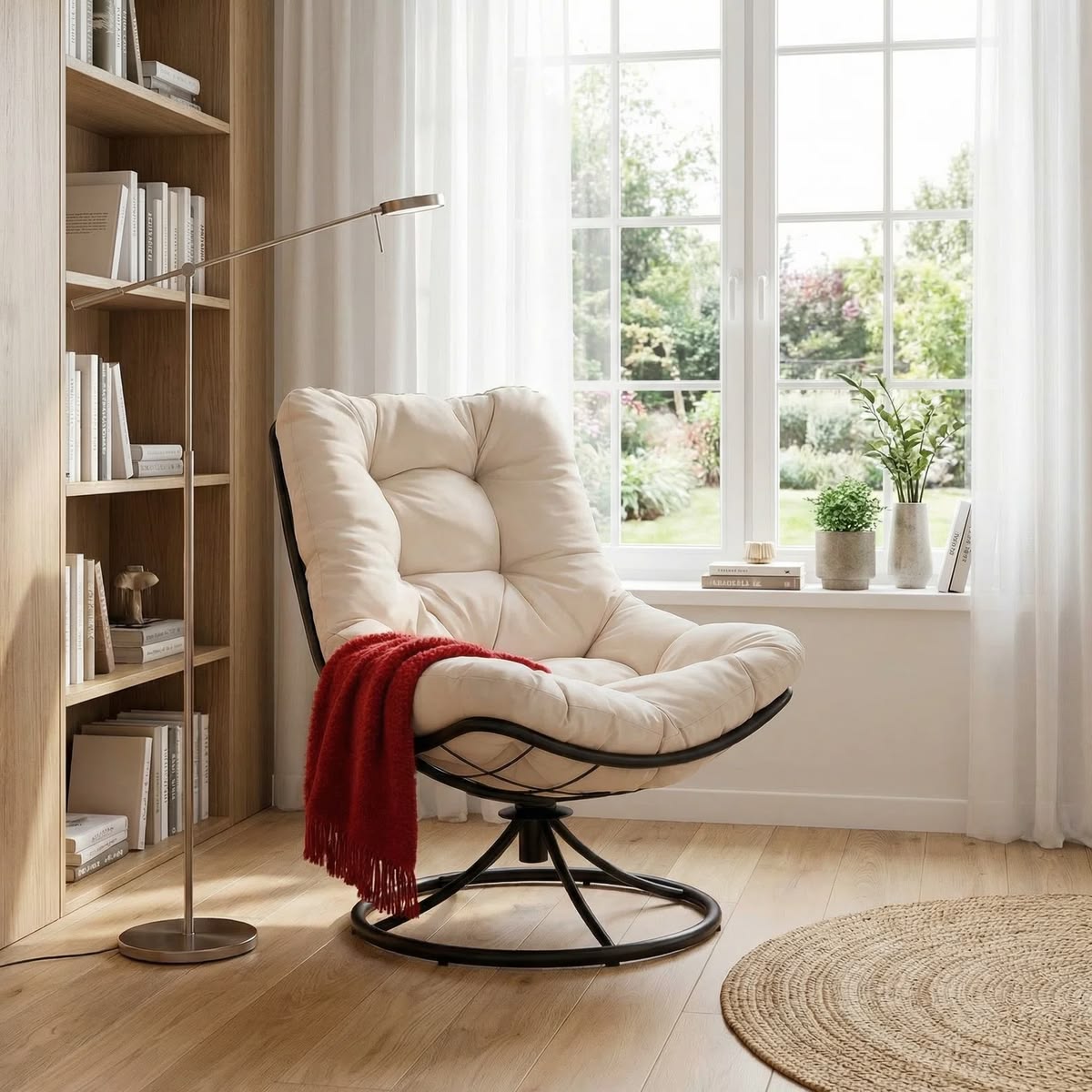
A living room should be a place where comfort and style come together. While sofas often take center stage, a well-chosen reading chair can add another layer of comfort, personality, and functionality to the space. Whether you enjoy reading, relaxing with a cup of coffee, or simply having a quiet place to sit, the right reading chair can make your living room feel more complete.
Choosing a reading chair, however, involves more than selecting a design that looks attractive. The chair should provide proper support, fit the available space, complement your existing furniture, and suit the way you plan to use it.
From chair size and materials to colors and placement, there are several factors to consider before making a decision. This guide will help you choose a reading chair that combines comfort and style while fitting naturally into your living room.
Why Choose a Reading Chair for Your Living Room?
A reading chair can serve several purposes in a living room. Most obviously, it creates a comfortable spot for reading, but it can also be used for relaxing, chatting with guests, enjoying music, or taking a short break.
Unlike a large sofa, a reading chair can occupy a smaller area while still making a noticeable impact on the room’s design. It can also help fill an unused corner or create a separate relaxation zone.
A thoughtfully selected chair can become both a practical seating option and an attractive accent piece.
1. Consider the Size of Your Living Room
Before choosing a reading chair, measure the available space. The size of the room should influence the dimensions and style of the chair you select.
A large living room can accommodate a spacious lounge chair with generous cushioning and wide armrests. In a smaller living room, a compact armchair with a slimmer frame may be a better choice.
Remember to consider more than the chair’s dimensions. Leave enough space around it for people to walk comfortably and for other furniture, such as a side table or floor lamp.
2. Prioritize Comfort
Comfort should be one of the most important factors when choosing a reading chair. A beautiful chair is not particularly useful if it is uncomfortable to sit in.
Pay attention to the seat depth, seat height, backrest, cushioning, and armrests. A chair with good back support can make longer reading sessions more enjoyable.
If possible, test the chair before purchasing it. Sit in it for several minutes and consider whether the seat provides enough support and whether your feet can rest comfortably on the floor.
3. Choose the Right Seat Depth
Seat depth can significantly affect how comfortable a reading chair feels. A deeper seat may provide a relaxed lounging experience, while a shallower seat can make it easier to maintain a more upright posture.
For reading, many people prefer a chair that offers enough depth to feel comfortable without making it difficult to sit upright.
Your body size and preferred sitting position should guide your choice. The most important thing is finding a balance between relaxation and support.
4. Look for Good Back Support
A reading chair should support your back comfortably. Since reading can involve sitting in one position for an extended period, proper back support is especially important.
Look for a backrest that supports your upper and lower back. A slightly angled backrest can provide a relaxed position without forcing you to lean too far backward.
You can also add a small lumbar cushion if you want additional support or a decorative accent.
5. Pay Attention to the Armrests
Armrests can make a significant difference in the comfort of a reading chair. They provide support for your arms and can make the chair feel more relaxing.
Choose armrests that are comfortable and proportionate to the chair. Very high or narrow armrests may not provide the level of comfort you want.
The armrests should also allow you to sit naturally without restricting your movement.
6. Select a Material That Fits Your Lifestyle
The material of a reading chair affects both its appearance and practicality. Fabric upholstery can create a soft and inviting atmosphere, while leather can provide a sophisticated and timeless look.
Other upholstery materials may offer different textures and maintenance requirements.
Consider how frequently the chair will be used and how easy the material is to maintain. If the chair will be used every day, a durable and easy-to-clean material may be particularly useful.
7. Choose a Color That Complements Your Interior
Color is one of the easiest ways to make a reading chair fit into your living room.
Neutral shades such as beige, cream, gray, and brown can blend naturally with a wide range of interiors. If your living room already uses neutral colors, a chair in a deeper or more vibrant shade can add visual interest.
For a cohesive look, choose a color that relates to other elements in the room, such as cushions, curtains, rugs, or artwork.
The chair does not have to match everything exactly. Instead, aim for a color combination that feels balanced.
8. Match the Chair With Your Interior Style
A reading chair should complement the overall design of your living room.
For a modern interior, consider a chair with clean lines and a simple silhouette. A Scandinavian-inspired space may benefit from a chair featuring natural wood and soft upholstery.
If your living room has a classic aesthetic, a more traditional armchair with detailed upholstery can work well. For contemporary interiors, curved silhouettes and minimalist forms can create an interesting focal point.
Choosing a chair that relates to your existing furniture will make the room feel more cohesive.
9. Think About the Chair’s Shape
The shape of a reading chair can influence the overall character of the living room. Straight, structured designs tend to create a more formal appearance, while curved chairs often feel softer and more relaxed.
A rounded lounge chair can introduce visual contrast to a room dominated by straight lines. Meanwhile, a structured armchair can provide definition in a softer, more organic interior.
Consider the shapes already present in your living room before making your selection.
10. Consider the Chair’s Frame
The frame affects both durability and appearance. Wooden frames can create a warm and natural look, while metal or other modern frame materials can produce a contemporary aesthetic.
A sturdy frame is particularly important if the chair will be used frequently.
Look for a design that feels stable when you sit down and move around. The frame should complement the upholstery rather than making the chair look visually disconnected from the rest of the room.
11. Think About Where You Will Place It
Even the most attractive reading chair can look out of place if it is positioned poorly.
A reading chair can work well near a window, beside a bookshelf, next to a sofa, or in an unused corner. The location should provide enough space for movement while creating a comfortable environment.
Natural light can make a window-side reading corner especially inviting. If natural light is limited, add a floor lamp or table lamp to create suitable reading illumination.
12. Pair It With a Side Table
A side table can make a reading chair significantly more functional. It provides a convenient place for books, drinks, reading glasses, or decorative items.
Choose a table that is proportionate to the chair. A small round table can work well in a compact space, while a larger side table may suit a more spacious arrangement.
The table can also introduce another material or texture into the room, adding visual interest to the reading corner.
13. Add Comfortable Lighting
Good lighting is essential for a reading area. A reading chair placed in a dark corner may not provide the comfortable environment you expect.
A floor lamp positioned beside the chair is a practical choice because it can provide focused light without requiring additional furniture.
Adjustable lamps are particularly useful because you can direct the light toward your book. During the day, position the chair where it can benefit from natural light without excessive glare.
14. Add Soft Accessories
Once you have chosen your chair, accessories can make it feel even more inviting.
A soft cushion can provide additional support, while a throw blanket can add warmth and texture. Choose accessories that complement the color and material of the chair.
Avoid adding too many decorative items. A few carefully selected accessories can make the chair look stylish without making the area feel cluttered.
15. Consider a Matching Ottoman
An ottoman can transform a standard reading chair into a more relaxing lounge area. It provides a place to rest your feet and can increase comfort during longer periods of sitting.
Choose an ottoman that matches or complements the chair. In a small living room, look for an ottoman that can also function as extra seating or a small table when needed.
This adds versatility while maintaining a cohesive appearance.
16. Balance Comfort With Available Space
A common mistake is choosing a chair based entirely on comfort without considering the size of the room.
A large, oversized lounge chair may feel extremely comfortable but can overwhelm a small living room. On the other hand, a very compact chair may look appropriate but fail to provide enough support.
The goal is to find a chair that offers the comfort you want while maintaining enough open space around it.
17. Think About Maintenance
Your reading chair should be practical as well as attractive. Before purchasing one, consider how easy the upholstery is to clean and maintain.
Some fabrics may require regular vacuuming or professional cleaning, while certain materials may be easier to wipe down.
If the chair will be used frequently, choose an upholstery material that suits your lifestyle and cleaning preferences.
Following the manufacturer’s care instructions can also help preserve the chair’s appearance over time.
18. Create a Cohesive Reading Corner
Once the chair is selected, think about the entire area rather than the chair alone.
A reading corner can include a comfortable chair, side table, floor lamp, rug, bookshelf, and a few decorative accessories. These elements should work together without competing for attention.
A small rug can help define the space, while a nearby plant can introduce a natural element. Artwork or a wall shelf can add personality to the surrounding area.
The result should feel like an intentional part of the living room rather than a chair placed randomly in an empty corner.
Reading Chair Ideas for Different Living Room Styles
Modern Living Room
For a modern living room, choose a reading chair with a clean silhouette and minimal decorative details. Neutral upholstery, geometric forms, and simple legs can complement contemporary furniture.
Scandinavian Living Room
A Scandinavian-inspired living room can benefit from a reading chair featuring natural wood, light upholstery, and a simple design. Soft textures and neutral colors can create a warm and relaxed atmosphere.
Traditional Living Room
Traditional interiors often work well with classic armchairs featuring detailed upholstery, rounded shapes, or wooden accents. Choose colors that complement existing traditional furniture.
Minimalist Living Room
For a minimalist space, select a chair with a simple shape and limited visual details. Focus on quality, comfort, and proportion rather than excessive decoration.
Eclectic Living Room
An eclectic living room provides more freedom to experiment. A reading chair in a distinctive color, texture, or shape can become a statement piece while adding personality to the space.
Common Mistakes When Choosing a Reading Chair
One of the most common mistakes is choosing a chair based only on appearance. While style matters, comfort and functionality should also be considered.
Another mistake is ignoring proportions. A chair that is too large can make a small living room feel crowded, while a chair that is too small may look lost in a spacious room.
It is also important not to overlook lighting and placement. A comfortable chair in a poorly lit or high-traffic area may not become the relaxing retreat you intended.
Finally, avoid choosing a chair that clashes with the existing interior style. A statement chair can add personality, but it should still relate to the overall design.
Final Thoughts
Choosing a reading chair for your living room is about finding the right balance between comfort, style, functionality, and space. The ideal chair should feel comfortable enough for long reading sessions while complementing the colors, materials, and design of your interior.
Consider the chair’s size, seat depth, back support, upholstery, color, and overall shape before making your decision. Think about where you will place it and whether you have enough room for additional elements such as a side table, lamp, or ottoman.
With the right choice, a reading chair can become much more than an extra seat. It can create a cozy reading corner, add personality to your living room, and provide a comfortable place to slow down and enjoy everyday moments at home.