
Blog
Comfortable Library Seating: A Guide to Reading Chairs

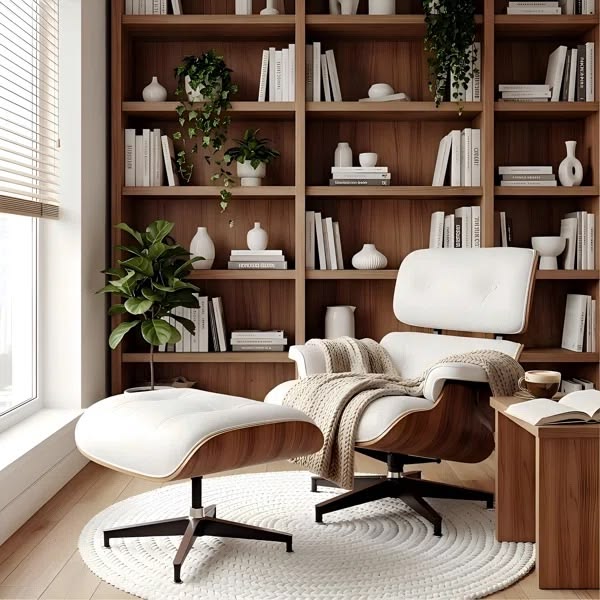
A library should be more than a place to store books. It should be a comfortable environment where you can slow down, focus, and enjoy your favorite stories. One of the most important elements in creating this atmosphere is choosing the right library seating.
A well-designed reading chair can transform an ordinary library into a relaxing reading retreat. Whether you are furnishing a large home library, a compact reading nook, or a multifunctional study, the right chair can provide the comfort and support needed for enjoyable reading sessions.
In this guide, we explore everything you need to know about comfortable library seating, including reading chair styles, materials, placement, comfort features, and tips for choosing the right chair for your space.
Why Comfortable Library Seating Matters
Reading often involves sitting in one position for an extended period. An uncomfortable chair can quickly become distracting, making it difficult to concentrate on a book.
Comfortable library seating provides proper support while creating a relaxing environment. A suitable reading chair should allow you to maintain a natural sitting position while giving you enough space to relax.
Beyond comfort, seating also influences the overall appearance of a library. A stylish chair can become a focal point while complementing bookshelves, lighting, rugs, and other interior elements.
What Makes a Reading Chair Comfortable?
Before choosing a reading chair, it helps to understand the features that contribute to comfort.
Supportive Backrest
A supportive backrest is one of the most important features of a comfortable reading chair. Look for a backrest that supports your upper and lower back without forcing you into an awkward position.
A slightly curved or well-padded backrest can provide additional support during longer reading sessions.
Comfortable Seat Cushion
The seat should provide enough cushioning without being excessively soft. A cushion that is too firm may feel uncomfortable, while one that is too soft may not provide enough support.
Consider your personal preference and how long you typically spend reading.
Appropriate Seat Depth
Seat depth can significantly affect comfort. A seat that is too deep may make it difficult to sit upright, while a shallow seat may not provide enough support.
Choose a seat depth that allows you to sit comfortably while keeping your feet supported on the floor.
Suitable Armrests
Armrests can provide additional support and help you relax while reading. They should be positioned at a comfortable height so your arms can rest naturally.
For a more open and minimalist look, you can also consider a reading chair without traditional armrests.
Supportive Height
The height of the chair affects how easily you can sit down and stand up. A chair that is too low may be difficult to get out of, while one that is too high can feel less relaxing.
Consider the chair’s height in relation to nearby tables, footrests, and other furniture.
Popular Reading Chair Styles for Libraries
Reading chairs come in many different styles. The best choice depends on the size of your library, your interior style, and your personal comfort preferences.
1. Classic Armchair
A classic armchair is one of the most versatile options for library seating. It typically features a supportive backrest, comfortable seat, and armrests.
This style works well in traditional, transitional, and contemporary interiors. Upholstered armchairs can also add softness and warmth to a room filled with bookshelves.
2. Lounge Chair
A lounge chair is designed for relaxation and can be an excellent choice for a comfortable reading area.
Many lounge chairs have a slightly reclined backrest and generous cushioning, making them suitable for longer reading sessions.
Pair one with a small side table and floor lamp to create a dedicated reading corner.
3. Accent Chair
An accent chair can combine comfort with visual appeal. It is particularly useful if you want your reading chair to become a decorative feature.
Choose an interesting color, fabric, or silhouette that complements the rest of your library.
4. Reclining Reading Chair
A reclining chair can provide additional flexibility for people who enjoy changing their sitting position while reading.
Some reclining chairs have adjustable backrests or footrests, allowing you to create a more relaxed position.
However, make sure the reclining mechanism does not interfere with nearby furniture or walkways.
5. Swivel Chair
A swivel chair offers flexibility and movement. It allows you to turn toward a bookshelf, window, side table, or another part of the room without moving the entire chair.
This can be particularly useful in modern libraries or multifunctional spaces.
6. Wingback Chair
A wingback chair has a distinctive high back and side panels that create a classic appearance.
It can work particularly well in traditional or sophisticated home libraries. Its taller silhouette can also make the chair a strong visual feature.
Choosing the Right Reading Chair Material
The material of your reading chair affects both its appearance and comfort.
Fabric Upholstery
Fabric chairs are popular because they offer a soft and comfortable feel. They are available in many colors and textures, making them easy to coordinate with different interior styles.
If the library receives frequent use, choose a durable and easy-to-maintain fabric.
Leather
Leather can create a refined and timeless appearance. It is also relatively easy to wipe clean and can develop character over time.
A leather reading chair can work especially well in traditional, industrial, or contemporary libraries.
Velvet
Velvet can add a luxurious and decorative touch. Its rich texture can make a reading corner feel more sophisticated.
However, velvet may require more careful maintenance depending on the type and color.
Wood and Natural Materials
Wooden reading chairs can bring warmth and natural character to a library. They can be paired with cushions or upholstered seats for additional comfort.
Natural materials can work particularly well in Scandinavian, minimalist, or contemporary interiors.
How to Choose the Right Reading Chair Size
The size of your reading chair should be appropriate for the available space.
A large lounge chair can look impressive in a spacious library but may overwhelm a small room. Conversely, a compact chair may look lost in a large library.
Before purchasing, measure the available floor area and consider the space required for:
- Walking around the chair
- Opening nearby doors
- Accessing bookshelves
- Placing a side table
- Adding a floor lamp
- Using an ottoman or footrest
Thinking about these details beforehand can help you create a more functional layout.
Where Should You Place a Reading Chair?
The placement of your chair can influence both comfort and the overall flow of the library.
Near a Window
A reading chair near a window can take advantage of natural daylight. Make sure direct sunlight does not create excessive glare or heat.
Beside a Bookshelf
Placing a chair close to a bookshelf makes it convenient to choose and return books.
Leave enough space between the chair and shelves so you can access them comfortably.
In an Empty Corner
An unused corner can easily become a dedicated reading nook. Add a small table, lamp, and rug to make the space feel complete.
Near a Fireplace
If your library has a fireplace, placing a reading chair nearby can create a cozy atmosphere. Always maintain an appropriate safety distance from the fireplace.
Add a Side Table for Convenience
A side table can make a reading chair much more functional. It provides a convenient surface for books, drinks, reading glasses, or decorative objects.
Choose a table that is approximately the right height for the chair so that you can easily reach it while sitting.
For smaller spaces, a narrow side table can provide functionality without taking up too much room.
Improve Comfort with an Ottoman
An ottoman or footrest can make a reading chair even more relaxing. It allows you to elevate your feet while reading and can help create a more laid-back atmosphere.
For a coordinated appearance, choose an ottoman that matches the chair. Alternatively, use a contrasting material or color to add visual interest.
Make sure there is enough space between the chair and ottoman to move comfortably.
Consider Reading Lighting
Even the most comfortable reading chair will not create a successful reading area without adequate lighting.
A floor lamp beside the chair can provide focused illumination. Table lamps can also work well when placed on a nearby side table.
Whenever possible, combine natural light with adjustable artificial lighting so that the reading area remains functional throughout the day.
Choose Colors That Match the Library
The color of your reading chair can influence the atmosphere of the entire library.
Neutral shades such as beige, cream, gray, and brown can create a calm and timeless appearance.
If your library has a neutral color scheme, consider using a deeper accent color such as navy, forest green, burgundy, or terracotta to make the chair stand out.
The best choice depends on whether you want the chair to blend into the room or become a focal point.
Create a Cozy Reading Nook
A reading chair becomes even more inviting when combined with the right accessories.
Start with the chair and then add a few carefully selected elements:
- A soft area rug
- A floor or table lamp
- A small side table
- A comfortable cushion
- A lightweight throw
- A nearby bookshelf
- A small indoor plant
Avoid adding too many accessories. Keeping the area organized will help maintain a calm and relaxing atmosphere.
Reading Chairs for Small Libraries
Limited space does not mean you have to sacrifice comfort.
For a small library, look for chairs with a compact footprint and streamlined design. Avoid oversized furniture that can make the room feel crowded.
Wall-mounted lighting and narrow side tables can help save floor space.
You can also use vertical bookshelves to maximize storage while keeping the reading area open.
Reading Chairs for Large Libraries
Large libraries provide more flexibility when choosing seating.
Consider creating multiple reading zones with different types of chairs. For example, one corner could feature a lounge chair for individual reading, while another area could include two armchairs for conversations.
Large spaces can also accommodate larger rugs, ottomans, side tables, and floor lamps.
The key is to create separate areas without making the room feel disconnected.
How to Maintain Your Reading Chair
Keeping your reading chair clean and well-maintained can extend its appearance and usability.
Vacuum fabric upholstery regularly to remove dust and debris. Clean spills promptly using a method appropriate for the upholstery material.
For leather chairs, use suitable leather care products and avoid exposing the material to excessive direct sunlight.
Also check the chair’s legs, joints, and moving components periodically to make sure everything remains secure.
Common Mistakes When Choosing Library Seating
When selecting comfortable library seating, avoid focusing only on appearance.
One common mistake is choosing a chair that looks attractive but does not provide enough support. Another is selecting furniture that is too large for the available space.
Other mistakes include:
- Ignoring seat dimensions
- Choosing poor lighting for the reading area
- Blocking bookshelves or walkways
- Using too many pieces of furniture
- Choosing materials that are difficult to maintain
- Forgetting about personal comfort preferences
A successful library should balance style, comfort, and functionality.
Final Thoughts
Choosing the right comfortable library seating can completely change the way you experience your reading space. A well-designed reading chair provides support and relaxation while also contributing to the visual character of the room.
When selecting a chair, consider its size, materials, cushioning, back support, style, and placement. Then complete the reading area with practical additions such as a side table, proper lighting, rug, and footrest.
Whether you are designing a spacious home library or a small reading nook, the right reading chair can create a comfortable environment where you can enjoy your books for hours.