
Blog
A Practical Guide to Armchair Styles, Sizes, and Materials

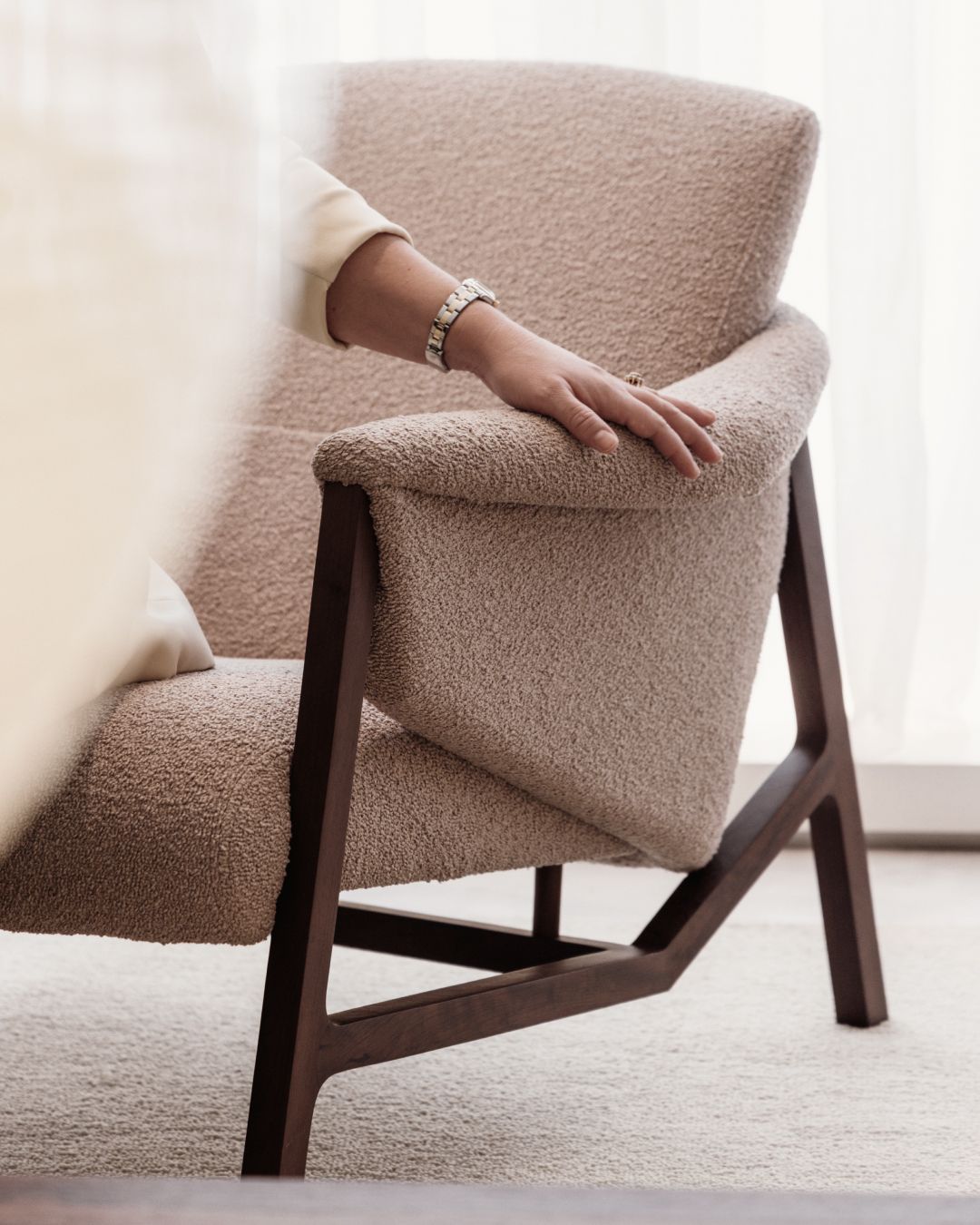
Choosing the right armchair can transform the look and comfort of your interior. Whether you need an extra seat for the living room, a comfortable chair for a reading corner, or a stylish accent for the bedroom, there are countless options to consider.
From modern and minimalist designs to classic and traditional styles, armchairs come in different shapes, sizes, and materials. Understanding these differences can make it easier to find an armchair that fits your space, lifestyle, and interior design.
This practical armchair guide explores the most important things to consider, including armchair styles, sizes, materials, comfort, placement, and maintenance.
What Is an Armchair?
An armchair is a type of chair designed with armrests on both sides. Compared with a standard chair, an armchair typically offers additional support for the arms and can provide a more comfortable seating experience.
Armchairs can be used throughout the home and are available in a wide range of designs. Depending on the style, an armchair can function as a practical seating option or become a decorative focal point.
Common places to use an armchair include:
- Living rooms
- Bedrooms
- Reading corners
- Home offices
- Lounges
- Entryways
- Reception areas
Why Choose an Armchair?
An armchair can provide several benefits for an interior.
Comfortable Seating
The combination of a supportive backrest, seat cushion, and armrests can create a comfortable place to sit and relax.
Flexible Design
Armchairs are available in many styles, allowing you to choose a design that complements your existing furniture.
Space for Personal Activities
An armchair can create a dedicated spot for reading, relaxing, working, or enjoying a quiet moment.
Decorative Accent
A distinctive armchair can introduce color, texture, and visual interest to an otherwise simple room.
Popular Armchair Styles
Understanding different armchair styles is an important part of choosing the right furniture. Each style has its own visual characteristics and works well with different interior concepts.
Modern Armchairs
Modern armchairs generally feature clean lines, simple silhouettes, and minimal decorative details.
They are suitable for contemporary interiors and can be paired with modern sofas, coffee tables, and minimalist accessories.
Neutral colors such as gray, beige, black, and white are common choices, although bold accent colors can also create an attractive focal point.
Minimalist Armchairs
Minimalist armchairs focus on simplicity and functionality. They usually feature uncomplicated shapes, limited decorative elements, and a restrained color palette.
A minimalist armchair can work well in small spaces because its clean design creates a visually uncluttered appearance.
Scandinavian Armchairs
Scandinavian-inspired armchairs often combine comfort, simplicity, and natural materials.
Typical features include:
- Light-colored upholstery
- Wooden legs
- Soft curves
- Simple silhouettes
- Neutral color palettes
These chairs can work particularly well with light wood flooring, neutral walls, and natural decorative accessories.
Traditional Armchairs
Traditional armchairs often feature more detailed designs and classic silhouettes. They may include rolled arms, decorative upholstery, curved shapes, or wooden details.
These designs can complement classic, elegant, and formal interiors.
Mid-Century Modern Armchairs
Mid-century modern armchairs are known for their clean lines, tapered legs, curved backs, and functional designs.
Wooden frames and warm upholstery colors are often associated with this style. A mid-century armchair can add character without making the room feel overly decorative.
Industrial Armchairs
Industrial armchairs often combine materials such as leather, metal, and wood.
Dark brown, black, charcoal, and rust tones can work particularly well in industrial interiors featuring exposed materials, concrete surfaces, and metal accents.
Lounge Armchairs
Lounge armchairs are designed primarily for relaxation. They often have generous cushioning, supportive backrests, and deeper seats.
They are ideal for:
- Reading areas
- Living rooms
- Bedrooms
- Relaxation spaces
- Home libraries
If comfort is your main priority, a lounge armchair may be a practical choice.
Choosing the Right Armchair Size
The size of an armchair affects both comfort and room layout. Before purchasing, measure your available space carefully.
Important armchair dimensions include:
- Overall width
- Overall depth
- Overall height
- Seat height
- Seat width
- Seat depth
- Armrest height
A typical armchair may be approximately 70–100 cm wide, 75–100 cm deep, and 80–100 cm high. However, dimensions vary depending on the design and manufacturer.
Small Armchairs
Compact armchairs can work well in apartments, bedrooms, narrow living rooms, and small reading corners.
Look for designs with:
- Slim armrests
- Narrow frames
- Moderate seat depth
- Exposed legs
- Compact proportions
These features can help preserve floor space while still providing comfortable seating.
Large Armchairs
Larger armchairs can provide additional space for relaxing and may work well in spacious rooms.
Oversized designs can become a focal point, especially when paired with a floor lamp, side table, or decorative rug.
However, make sure there is enough surrounding space for comfortable movement.
Consider Seat Height
Seat height can have a significant effect on comfort.
Many armchairs have a seat height of approximately 40–50 cm. The right height depends on your body proportions and sitting preference.
Ideally, your feet should rest comfortably on the floor while your knees remain in a natural position.
Consider Seat Depth
Seat depth determines how far you sit from the front edge of the cushion to the backrest.
A deeper seat can provide a relaxed lounging experience, while a shallower seat may be better for upright sitting.
Consider your height and preferred sitting position when selecting an armchair.
Understanding Armchair Materials
The material of an armchair affects its appearance, comfort, durability, and maintenance requirements.
Fabric Armchairs
Fabric is one of the most versatile upholstery choices.
It is available in numerous colors, patterns, and textures, making it easy to coordinate with different interior styles.
Fabric armchairs can provide a soft and comfortable seating experience. However, the specific maintenance requirements depend on the type of fabric.
Leather Armchairs
Leather armchairs offer a distinctive and sophisticated appearance.
Leather can be durable and relatively easy to wipe clean, although it requires appropriate care to maintain its condition.
Leather armchairs can work particularly well in:
- Modern interiors
- Industrial spaces
- Classic rooms
- Home offices
- Libraries
Velvet Armchairs
Velvet is known for its soft texture and rich appearance. It can make an armchair feel more luxurious and visually distinctive.
Velvet works well as an accent material, especially when paired with bold or deep colors.
Because velvet has a delicate surface, always follow the manufacturer’s recommended cleaning instructions.
Linen Armchairs
Linen can create a relaxed and natural appearance. It works particularly well in casual, minimalist, Scandinavian, and coastal-inspired interiors.
Its breathable and textured appearance can add warmth and character to a room.
Bouclé Armchairs
Bouclé has a distinctive textured surface that can add visual depth and softness.
It is particularly popular in contemporary interiors where texture plays an important role in the overall design.
Wooden Armchairs
Wood can be used as part of the frame or as a visible design feature.
Wooden armchairs can create a warm, natural appearance and work especially well with Scandinavian, rustic, minimalist, and mid-century interiors.
How to Choose an Armchair Color
After choosing a style and material, consider the color.
Neutral colors such as beige, cream, gray, taupe, and white are versatile and easy to coordinate.
If your room has a neutral palette, you can use the armchair to introduce an accent color such as:
- Navy blue
- Forest green
- Terracotta
- Mustard yellow
- Rust
- Burgundy
The armchair does not have to match your sofa exactly. Complementary colors can create a more interesting and balanced interior.
How to Match an Armchair With Your Interior
An armchair should complement the overall design of your room.
For Modern Interiors
Choose clean silhouettes, neutral colors, and materials such as fabric, leather, or metal.
For Scandinavian Interiors
Consider light upholstery, natural wood, soft curves, and neutral tones.
For Traditional Interiors
Look for classic silhouettes, richer colors, detailed upholstery, and wooden elements.
For Industrial Interiors
Leather, dark colors, metal frames, and exposed materials can create a cohesive industrial look.
For Minimalist Interiors
Choose simple shapes, restrained colors, and designs without excessive decorative details.
Where Should You Place an Armchair?
The best location depends on how you plan to use the chair.
Living Room
Place an armchair near the sofa to create a comfortable conversation area. A side table can make the arrangement more functional.
Bedroom
A compact armchair can create a cozy reading or relaxation corner.
Reading Corner
Pair an armchair with a floor lamp and small side table. Choose a comfortable seat with good back support.
Home Office
An armchair can provide an alternative seating area for reading, relaxing, or informal meetings.
Leave Enough Space Around the Chair
Remember that the armchair needs more space than its actual dimensions.
Leave sufficient room for:
- Walking
- Opening doors
- Accessing nearby furniture
- Using a side table
- Adjusting cushions
- Reclining, if applicable
Proper clearance can make the entire room more comfortable and functional.
What to Consider Before Buying an Armchair
Before purchasing, consider these important factors.
Comfort
Test the seat, backrest, armrests, and cushioning whenever possible.
Size
Measure both the armchair and the room where it will be placed.
Material
Choose upholstery based on your lifestyle, preferred appearance, and maintenance requirements.
Durability
Consider the frame construction, upholstery quality, and expected frequency of use.
Style
Choose a design that complements your existing interior rather than focusing only on current trends.
Maintenance
Find out how the upholstery should be cleaned and whether the chair requires specialized care.
Budget
Set a realistic budget based on the quality, material, construction, and features you need.
Common Mistakes When Choosing an Armchair
Even a stylish armchair may not work well if it is not suitable for your space.
Avoid these common mistakes:
- Buying without measuring the room
- Ignoring doorway dimensions
- Choosing style over comfort
- Selecting a seat that is too deep
- Buying an oversized chair for a small room
- Ignoring upholstery maintenance
- Matching every piece of furniture too closely
- Choosing a material without considering everyday use
- Forgetting about clearance around the chair
Taking time to consider these details can help you make a more practical choice.
How to Maintain Your Armchair
Proper maintenance can help preserve the appearance and comfort of your armchair.
Start with regular vacuuming to remove dust, crumbs, and pet hair. Treat spills as soon as they happen and avoid rubbing stains aggressively.
Other useful armchair care tips include:
- Follow the manufacturer’s cleaning instructions.
- Keep the chair away from prolonged direct sunlight.
- Fluff and rotate removable cushions when appropriate.
- Avoid placing excessive weight on the armrests.
- Keep sharp objects away from the upholstery.
- Check the frame and legs regularly.
- Use cleaning products designed for the specific material.
A consistent maintenance routine can help extend the life of your armchair.
Final Thoughts
Choosing the right armchair requires more than finding a design that looks attractive. Armchair styles, sizes, materials, colors, comfort, and maintenance all play an important role in finding the right piece for your interior.
Start by considering how you will use the chair and how much space you have available. Then compare different styles, materials, dimensions, and colors to find an option that fits your needs.
Whether you prefer a modern armchair, a classic design, a comfortable lounge chair, or a minimalist piece, understanding these key factors can make the buying process easier.
With the right combination of style, size, and material, an armchair can become a comfortable and stylish addition to almost any interior.