
Blog
Armchair Maintenance Tips for Long-Lasting Comfort

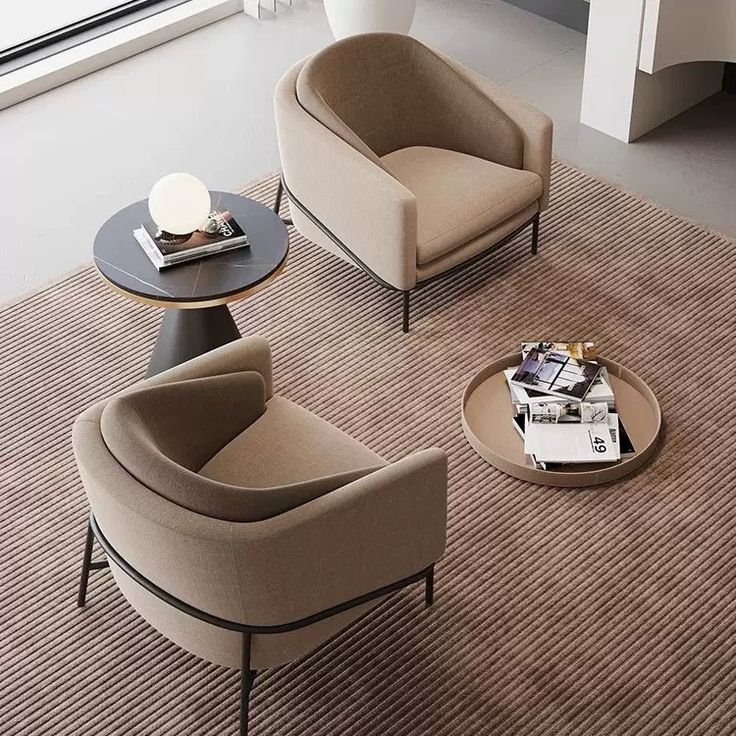
An armchair can be a comfortable and stylish addition to any home. Whether it is placed in the living room, bedroom, reading corner, or home office, regular armchair maintenance is essential to keep it looking attractive and feeling comfortable for years to come.
Daily use can expose an armchair to dust, dirt, spills, pet hair, sunlight, and general wear. Without proper care, upholstery can become stained, cushions can lose their shape, and the frame may gradually become less stable.
Fortunately, maintaining an armchair does not have to be difficult. A simple and consistent care routine can help preserve its appearance, comfort, and durability. Here are practical armchair maintenance tips you can follow at home.
Why Is Armchair Maintenance Important?
Regular maintenance helps protect your armchair from everyday wear and keeps it in good condition. Proper care can also help you identify small problems before they become more difficult or expensive to repair.
Good armchair care can help:
- Keep upholstery clean and fresh
- Maintain cushion shape and comfort
- Reduce dust and dirt buildup
- Prevent stains from becoming difficult to remove
- Protect the frame and structural components
- Extend the lifespan of the armchair
- Preserve the chair’s overall appearance
The right maintenance routine will depend on the armchair’s material, construction, and frequency of use.
1. Vacuum Your Armchair Regularly
Regular vacuuming is one of the simplest ways to maintain an armchair. Dust, crumbs, hair, and other particles can accumulate on the seat, backrest, and between cushions.
Use a vacuum cleaner with a suitable upholstery attachment and gently clean the entire surface. Pay special attention to:
- Seat cushions
- Back cushions
- Armrests
- Seams
- Gaps between cushions
- Areas underneath removable cushions
For an armchair that receives regular use, weekly vacuuming can be a practical starting point. Homes with pets or higher levels of daily use may require more frequent cleaning.
2. Clean Spills as Soon as Possible
Accidental spills can quickly become stains if they are left untreated. Prompt action is therefore an important part of armchair maintenance.
When something spills on the upholstery, gently blot the area with a clean, absorbent cloth. Avoid vigorous rubbing, as this can spread the spill or push it deeper into the fabric.
Before using any cleaning product, check the care label and manufacturer’s instructions for the upholstery.
3. Follow the Care Instructions
Different armchair materials require different maintenance methods. Fabric, leather, velvet, linen, and bouclé upholstery should not necessarily be cleaned in the same way.
Always check the manufacturer’s recommendations before using:
- Water
- Detergent
- Upholstery cleaner
- Leather conditioner
- Steam cleaners
- Stain removers
Following the correct cleaning method can help prevent discoloration, shrinkage, surface damage, or other unwanted effects.
4. Keep the Upholstery Dry
Excess moisture can cause problems for some upholstery materials and internal padding. If too much water is absorbed, the chair may take a long time to dry and could develop unpleasant odors.
When cleaning your armchair, use only the amount of moisture recommended for the specific material. After cleaning, allow the upholstery to dry completely before using the chair.
Good airflow can help the chair dry more effectively.
5. Rotate and Fluff the Cushions
Cushions can gradually develop uneven pressure points, particularly when the same area is used repeatedly.
If your armchair has removable cushions and the manufacturer allows rotation, regularly change their position. Fluffing cushions can also help maintain their shape and provide a more even seating surface.
However, not every cushion is designed to be flipped or rotated, so check the manufacturer’s instructions first.
6. Protect Your Armchair from Direct Sunlight
Long periods of direct sunlight can cause certain upholstery colors to fade. This can be particularly noticeable with darker or vibrant fabrics.
If possible, position your armchair away from intense direct sunlight. Curtains, blinds, or window shades can also help reduce prolonged exposure.
If you have multiple chairs, occasionally changing their position can help minimize uneven fading.
7. Keep Pets from Damaging the Upholstery
Pets can contribute to dirt, hair, scratches, and general wear. If your pet regularly uses the armchair, vacuuming and surface cleaning may need to be done more frequently.
Consider placing a washable blanket or cover on the chair if your pet frequently sits there. Regularly removing pet hair can also help prevent it from becoming embedded in the upholstery.
For leather armchairs, be especially mindful of sharp claws that may scratch the surface.
8. Avoid Sitting on the Armrests
Armrests are designed to support your arms, not to carry the full weight of a person. Sitting or standing on them can put unnecessary pressure on the frame and joints.
Avoid placing heavy objects on the armrests as well. Using the armchair according to its intended purpose is a simple way to support its long-term durability.
9. Keep the Armchair Away from Heat Sources
Excessive heat can affect some upholstery and furniture materials. Avoid positioning an armchair directly next to radiators, heaters, fireplaces, or other strong heat sources unless the manufacturer specifically allows it.
Maintaining a suitable distance from heat sources can help protect upholstery, finishes, and structural components.
10. Clean the Armchair Frame
Armchair maintenance should include more than just the upholstery. The frame and legs can also collect dust and dirt.
For wooden, metal, or other frame materials, use a cleaning method suitable for the specific finish. A soft cloth can usually help remove surface dust without scratching the material.
Regularly cleaning the frame also gives you an opportunity to inspect it for loose screws, damaged finishes, cracks, or other issues.
11. Check the Legs and Joints Regularly
A stable frame is important for both comfort and safety. Every few months, inspect the chair’s legs, joints, and other structural components.
Look for:
- Loose screws
- Wobbly legs
- Cracks
- Unstable joints
- Unusual movement
- Squeaking or other unusual noises
If you notice a structural problem, stop using the chair if necessary and have it repaired appropriately.
12. Use the Right Cleaning Products
Not every household cleaning product is suitable for furniture. Some products can damage upholstery fibers, leather finishes, wood coatings, or other materials.
Choose cleaning products specifically recommended for your armchair’s material. If you are unsure whether a product is suitable, test it on a small, hidden area first when the manufacturer’s instructions permit testing.
Never mix different cleaning chemicals.
13. Maintain Leather Armchairs Properly
Leather requires its own maintenance routine. Dust the surface regularly with a soft cloth and use leather-specific cleaning or conditioning products when recommended by the manufacturer.
Avoid using harsh household cleaners or excessive water on leather upholstery.
Keeping leather away from prolonged direct sunlight and excessive heat can also help maintain its appearance.
14. Take Care of Fabric Upholstery
Fabric armchairs benefit from regular vacuuming and prompt treatment of spills. Different fabrics have different cleaning requirements, so always check the care instructions.
For textured upholstery such as bouclé, use gentle cleaning methods to avoid damaging the surface. Avoid excessive brushing or aggressive scrubbing unless specifically recommended.
15. Avoid Overloading the Armchair
Every armchair has a recommended weight capacity and intended use. Avoid allowing multiple people to sit on a single-seat armchair or placing unusually heavy objects on it.
Excessive weight can place additional stress on the frame, cushions, and joints.
Using the chair within its intended capacity is an important part of long-term armchair care.
16. Rearrange Your Furniture When Necessary
The location of your armchair can affect its condition. Furniture positioned in busy walkways may experience more accidental bumps and contact.
If possible, place the armchair in an area where there is enough space around it. Make sure the chair does not block doors, pathways, or other frequently used areas.
A suitable position can help reduce unnecessary wear while improving the overall layout of your room.
17. Schedule Deep Cleaning When Needed
Regular surface maintenance is important, but some armchairs may also benefit from occasional deep cleaning.
The appropriate frequency depends on the material, usage, household environment, and manufacturer’s recommendations.
For delicate upholstery, difficult stains, or heavily soiled furniture, professional upholstery cleaning may be more appropriate than experimenting with household cleaning products.
A Simple Armchair Maintenance Schedule
Creating a simple maintenance routine can make furniture care easier.
Weekly
- Vacuum the upholstery
- Remove dust and crumbs
- Remove visible pet hair
- Check for fresh spills or stains
Monthly
- Clean the frame
- Inspect upholstery and seams
- Fluff or reposition cushions when appropriate
- Check for early signs of wear
Every Few Months
- Inspect legs and joints
- Check the overall stability of the chair
- Review the condition of the upholstery
- Rearrange the chair if necessary to reduce uneven sunlight exposure
When Necessary
- Treat spills immediately
- Repair loose or damaged components
- Arrange professional cleaning when recommended
Common Armchair Maintenance Mistakes to Avoid
Proper care is easier when you know what to avoid. Some common mistakes include:
Using too much water: Excess moisture can be difficult to remove and may damage certain materials.
Scrubbing stains aggressively: Strong rubbing can spread stains or damage upholstery fibers.
Ignoring the care label: Cleaning requirements vary between materials.
Using unsuitable chemicals: Household cleaners may not be designed for furniture upholstery.
Sitting on the armrests: This can place excessive stress on the chair’s structure.
Ignoring loose legs: Small structural problems can become more serious if left unattended.
Placing the chair in strong sunlight: Prolonged exposure can cause some upholstery colors to fade.
Final Thoughts
Good armchair maintenance is about consistency rather than complicated cleaning routines. Regular vacuuming, prompt spill treatment, proper cushion care, and routine inspections can help keep your armchair comfortable and attractive.
Most importantly, always consider the specific material and construction of your chair. Fabric, leather, velvet, linen, wood, and other materials may require different care methods.
By incorporating these simple armchair maintenance tips into your regular cleaning routine, you can help preserve the chair’s comfort, appearance, and durability while getting more value from your furniture over time.