
Blog
How to Remove Stains and Dirt from Your Lounge Chair

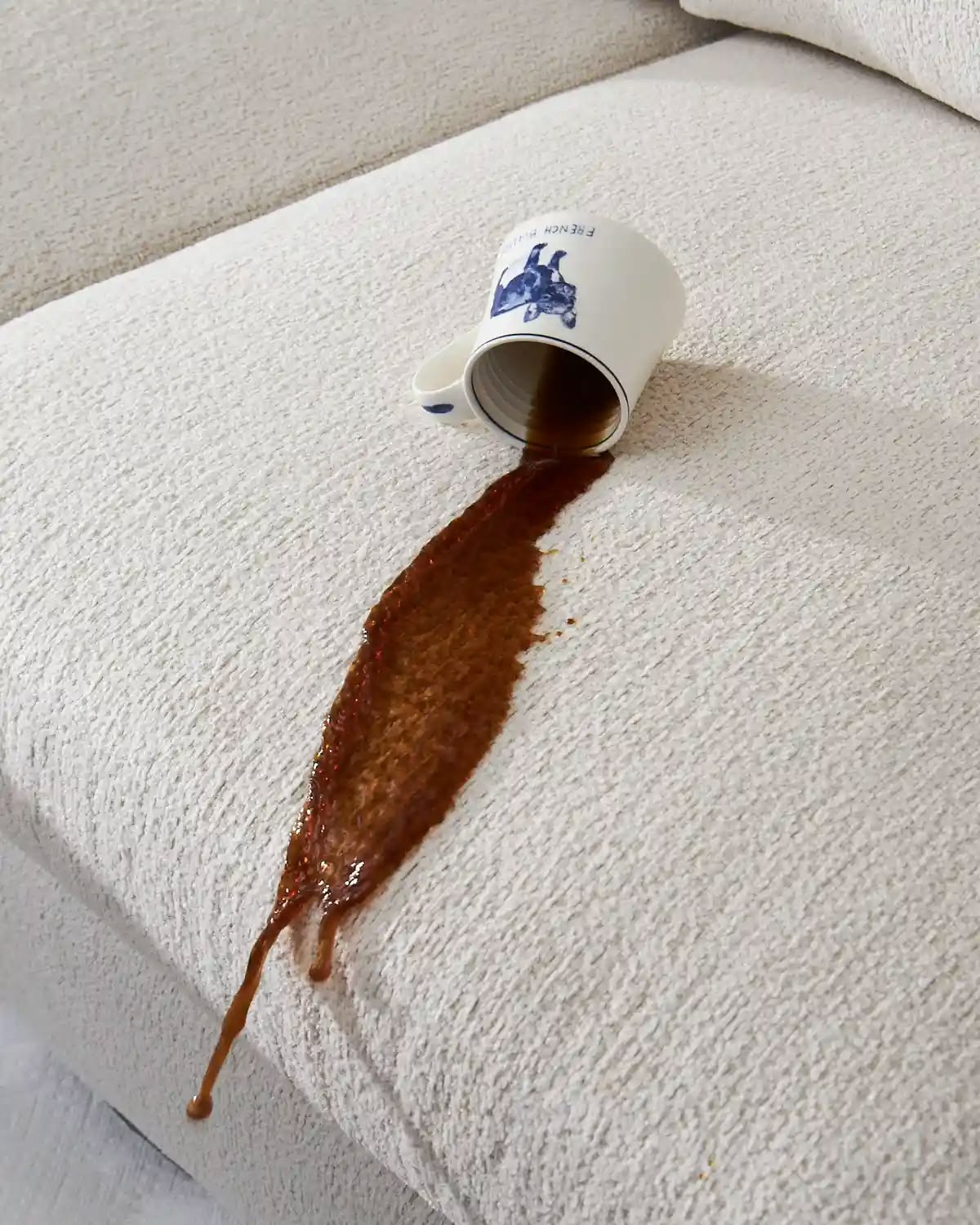
A lounge chair is a comfortable and stylish addition to any home, but regular use can leave it covered in dust, dirt, food crumbs, and accidental spills. Over time, these stains can make your furniture look dull and worn. Fortunately, knowing how to remove stains and dirt from your lounge chair can help keep it looking clean and fresh.
The right cleaning method depends on the type of upholstery, the nature of the stain, and the manufacturer’s care instructions. Using the wrong product or cleaning technique can potentially damage the fabric, leather, or finish.
In this guide, you’ll learn practical ways to clean your lounge chair, remove common stains, and prevent dirt from building up.
Why Regular Lounge Chair Cleaning Matters
Lounge chairs are frequently exposed to dust, body oils, pet hair, food particles, and spills. Even when dirt is not immediately visible, it can gradually become embedded in the upholstery.
Regular cleaning can help:
- Maintain the chair’s appearance
- Remove dust and surface dirt
- Prevent stains from becoming difficult to remove
- Reduce unwanted odors
- Preserve upholstery quality
- Extend the lifespan of your lounge chair
A simple cleaning routine can make a significant difference in keeping your furniture comfortable and attractive.
Check Your Lounge Chair’s Care Instructions
Before attempting to remove a stain, check the manufacturer’s cleaning instructions. Different upholstery materials require different cleaning methods.
Look for a care label or manufacturer’s recommendations. Common upholstery codes include:
- W: Water-based cleaning products may be suitable.
- S: Solvent-based cleaning products may be recommended.
- WS: Water- or solvent-based cleaning may be appropriate.
- X: Vacuuming or professional cleaning may be required.
If you cannot find a care label, avoid applying an unfamiliar cleaning product directly to the upholstery. Contact the manufacturer or a professional cleaner for guidance when necessary.
Supplies for Cleaning a Lounge Chair
Having the right tools makes the cleaning process easier and safer. Depending on your lounge chair’s material, you may need:
- Vacuum cleaner with an upholstery attachment
- Microfiber cloths
- Soft-bristled brush
- Mild upholstery cleaner
- Mild soap
- Clean water
- Small bowl
- Soft sponge
- Leather cleaner for leather upholstery
- Leather conditioner, if recommended
Avoid abrasive brushes and harsh chemicals that are not designed for your specific upholstery.
How to Remove Stains and Dirt from Your Lounge Chair
Step 1: Remove Loose Dirt and Debris
Start by removing cushions, pillows, blankets, and other loose items from the chair.
Shake out removable cushions if appropriate, then check underneath and between the cushions for crumbs, dust, hair, and other debris.
This step prevents loose dirt from getting mixed with moisture during the cleaning process.
Step 2: Vacuum the Upholstery
Thoroughly vacuum the entire lounge chair using an upholstery attachment.
Focus on areas that tend to collect dirt, including:
- Seat cushions
- Backrests
- Armrests
- Seams
- Creases
- Corners
- Areas underneath removable cushions
Move the vacuum slowly and gently. For delicate fabrics, avoid excessive pressure that could affect the upholstery.
Step 3: Identify the Type of Stain
Before applying a cleaning solution, determine what caused the stain.
Common lounge chair stains include:
- Coffee and tea
- Food and sauces
- Grease and oil
- Ink
- Pet stains
- Dirt and mud
- Makeup
- Beverage spills
Identifying the stain can help you choose an appropriate cleaning method.
Step 4: Blot Fresh Spills Immediately
If a spill has just occurred, act quickly.
Use a clean, absorbent cloth to gently blot the affected area. Work from the outside of the stain toward the center to help prevent it from spreading.
Do not rub aggressively. Rubbing can push the liquid deeper into the upholstery and potentially damage delicate fibers.
The sooner you address a spill, the easier it may be to remove.
Step 5: Test Your Cleaning Product
Always perform a patch test before cleaning a visible area.
Apply a small amount of the cleaning solution to an inconspicuous part of the chair. Allow it to dry and check whether the material shows any:
- Discoloration
- Color transfer
- Water marks
- Texture changes
- Other visible damage
If the material reacts negatively, stop using the product and choose a cleaning method recommended for the upholstery.
Step 6: Treat the Stain Carefully
Once you have confirmed that the cleaning method is appropriate, gently treat the stained area.
For water-safe upholstery, use a small amount of suitable cleaning solution on a clean cloth or sponge. Avoid soaking the chair.
Gently dab or wipe the affected area rather than scrubbing aggressively. Work gradually and avoid spreading the stain to surrounding areas.
For stubborn stains, use a product specifically formulated for the upholstery rather than relying on strong household chemicals.
Step 7: Remove Cleaning Residue
After treating the stain, follow the product’s instructions regarding residue removal.
If appropriate for your upholstery, use a clean, slightly damp microfiber cloth to gently remove remaining cleaning solution.
Do not saturate the chair with water. Excess moisture can penetrate the padding and make the chair difficult to dry.
Step 8: Let the Lounge Chair Dry Completely
Proper drying is an important part of lounge chair stain removal.
Allow the chair to air dry completely before sitting on it. Good ventilation can help speed up the drying process.
Avoid exposing upholstery to excessive heat unless specifically recommended by the manufacturer.
Once the chair is completely dry, inspect the area to determine whether additional cleaning is necessary.
How to Remove Common Lounge Chair Stains
Different stains may require different approaches. Always consider your upholstery’s care instructions before treating any stain.
Removing Coffee and Tea Stains
Coffee and tea can leave noticeable marks on fabric upholstery.
If the spill is fresh, immediately blot it with a clean cloth. Avoid rubbing the area.
For water-safe upholstery, use an appropriate upholstery cleaning solution according to its instructions. Work gently and use as little moisture as possible.
Removing Food and Sauce Stains
First, carefully remove solid food particles with a spoon or a soft edge. Avoid spreading the stain.
Blot any remaining liquid and use an upholstery-safe cleaning product suitable for your chair.
For oily or strongly colored sauces, professional cleaning may be preferable if the stain does not respond to normal treatment.
Removing Grease and Oil Stains
Grease and oil can be particularly difficult to remove because they can penetrate upholstery fibers.
Avoid randomly applying household solvents or detergents. Instead, use a cleaning product specifically recommended for your upholstery type.
If the stain is extensive or has been present for a long time, consider professional upholstery cleaning.
Removing Pet Hair and Dirt
Pet hair can accumulate quickly on lounge chairs.
Vacuum the chair thoroughly using an upholstery attachment. A soft furniture brush can also help loosen hair from textured fabrics.
Regular vacuuming is one of the easiest ways to prevent pet hair and dirt from becoming deeply embedded.
Removing Makeup Stains
Makeup can contain oils, pigments, and other ingredients that may leave stubborn marks.
Start by gently removing any excess product without spreading it. Then use an upholstery-safe cleaner appropriate for the material.
Avoid applying excessive moisture or strong chemicals without checking their compatibility with the upholstery.
How to Clean a Leather Lounge Chair
Leather requires a different cleaning approach from fabric upholstery.
Start by removing dust and loose debris using a soft cloth or vacuum attachment. Then use a leather cleaner specifically designed for your type of leather.
Apply the cleaner according to the manufacturer’s instructions and wipe gently with a clean cloth.
If recommended for the specific leather finish, use a suitable leather conditioner afterward.
Avoid:
- Excessive water
- Abrasive materials
- Harsh detergents
- Unapproved household cleaners
- Excessive heat
When in doubt, follow the leather manufacturer’s care instructions.
How to Prevent Dirt and Stains on a Lounge Chair
Preventing stains is easier than removing stubborn ones. A few simple habits can help keep your lounge chair cleaner for longer.
Vacuum Regularly
Regular vacuuming removes dust, crumbs, and hair before they become embedded in the upholstery.
Deal With Spills Quickly
Do not allow spills to sit for long periods. Blot them as soon as possible using a clean cloth.
Avoid Eating on the Chair
Eating and drinking while sitting in a lounge chair increases the risk of accidental spills and food stains.
Keep Pets Groomed
If your pets frequently use the chair, regular grooming can help reduce the amount of loose hair and dirt transferred to the upholstery.
Follow the Manufacturer’s Care Instructions
Different materials have different cleaning requirements. Following the manufacturer’s recommendations can help prevent accidental damage.
Common Lounge Chair Cleaning Mistakes to Avoid
Even well-intentioned cleaning can cause damage if the wrong technique is used.
Do Not Scrub Aggressively
Strong scrubbing can damage upholstery fibers and spread the stain.
Do Not Soak the Upholstery
Too much water can penetrate the padding and make drying difficult.
Do Not Mix Cleaning Chemicals
Combining cleaning products can create unwanted chemical reactions and may damage furniture. Use products according to their instructions.
Do Not Skip the Patch Test
Testing a cleaning solution in a hidden area first can help identify potential discoloration or material damage.
Do Not Ignore Persistent Stains
If a stain remains after careful treatment, repeated aggressive cleaning may make the problem worse. Professional upholstery cleaning may be a safer option.
When Should You Use Professional Lounge Chair Cleaning?
Some stains are difficult to remove with household cleaning methods. Professional cleaning may be appropriate for delicate upholstery, large stains, valuable furniture, or heavily soiled lounge chairs.
Professional cleaners can assess the material and select a cleaning method that is appropriate for the upholstery.
If you are unsure about your chair’s material or care requirements, professional advice can also help reduce the risk of accidental damage.
Final Thoughts
Knowing how to remove stains and dirt from your lounge chair can help you maintain its appearance and extend its useful life. Start by checking the manufacturer’s care instructions, removing loose dirt, and vacuuming the upholstery. For stains, act quickly, blot rather than scrub, test cleaning products first, and use a method suitable for the specific material.
Whether your lounge chair is upholstered in fabric, leather, or another material, regular maintenance is the key to keeping it clean and comfortable.
With the right cleaning routine and careful stain treatment, your lounge chair can remain a stylish and inviting part of your home for years to come.