
Blog
Keep Your Office Chair Like New: Essential Care and Maintenance Tips

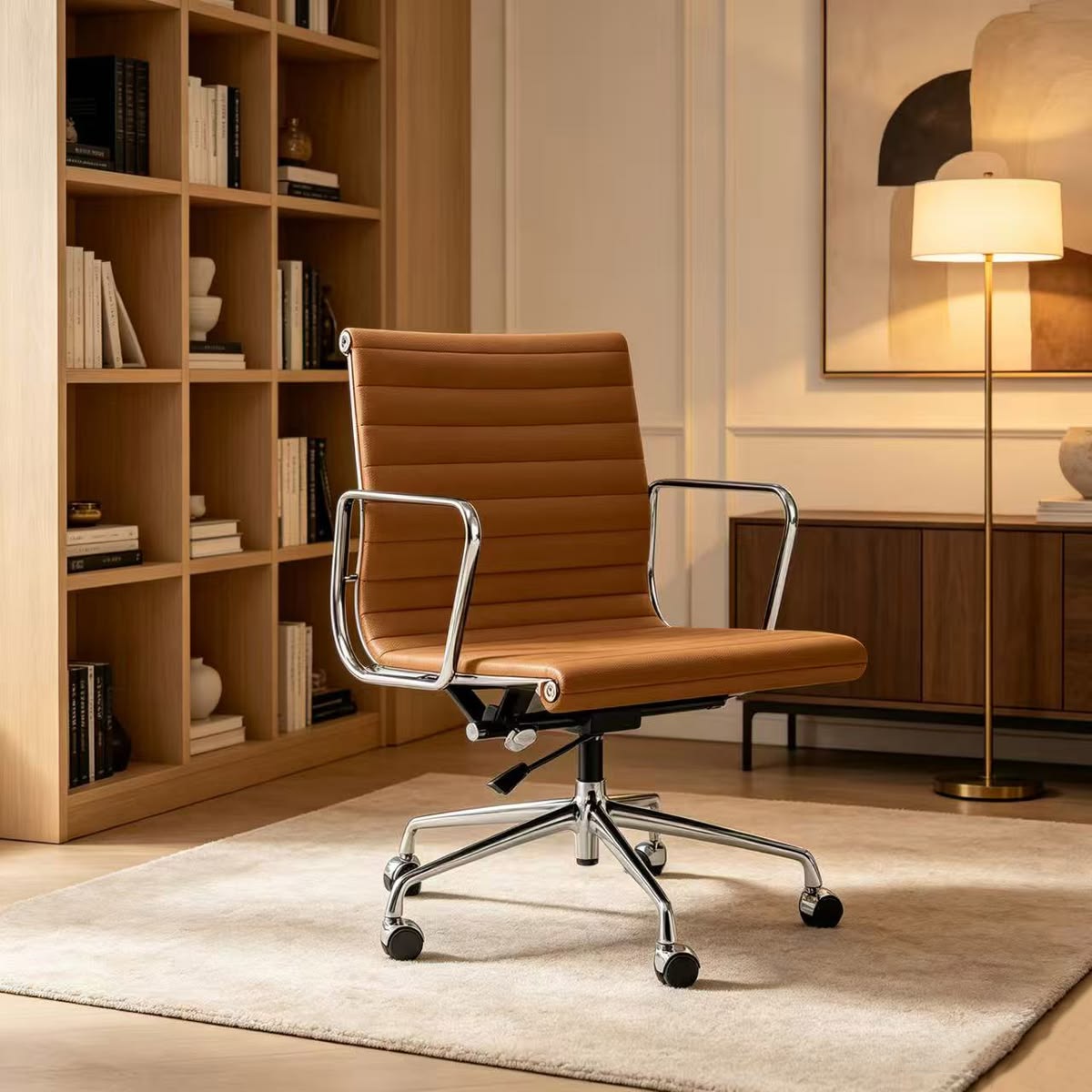
An office chair is an essential part of any productive workspace. Whether you work from home or in a professional office, your chair supports you through hours of sitting, meetings, computer work, and everyday tasks. Over time, however, regular use can lead to dust, stains, loose components, worn upholstery, and mechanical problems.
The good news is that proper office chair care and maintenance can help keep your chair looking and functioning like new for longer.
From cleaning the upholstery to maintaining the wheels and checking the adjustment mechanisms, a few simple habits can make a significant difference. In this guide, we’ll explore practical office chair maintenance tips to help you protect your investment and maintain a comfortable workspace.
Why Is Office Chair Maintenance Important?
Office chairs are designed for frequent use, which means they naturally experience wear and tear. Dust can accumulate on the surface, food and drinks can cause stains, and constant movement can gradually loosen screws and other components.
Regular office chair maintenance can help you:
- Keep your chair looking clean and professional
- Maintain comfort and functionality
- Prevent dirt and dust buildup
- Reduce premature wear and tear
- Identify small problems before they become serious
- Extend the lifespan of your office chair
- Maintain a healthier and more organized workspace
Taking care of your office chair is usually much easier and less expensive than replacing it prematurely.
1. Remove Dust Regularly
Dust is one of the easiest things to overlook when cleaning an office chair.
Dust can accumulate on the seat, backrest, armrests, base, and underneath the chair. If left untouched, it can become embedded in fabric or collect around mechanical components.
Use a microfiber cloth or soft brush to remove dust from hard surfaces. For fabric and mesh chairs, a vacuum cleaner with a suitable soft attachment can help remove dust more effectively.
Make dusting part of your weekly cleaning routine to prevent buildup.
2. Clean Spills and Stains Immediately
Accidents happen, especially when you work near food and drinks.
If you spill coffee, water, juice, or another liquid on your office chair, deal with it as soon as possible. The longer a liquid remains on the upholstery, the more difficult it may be to remove.
For most fabric chairs, gently blot the spill using a clean cloth. Avoid rubbing aggressively, as this can spread the stain or push liquid deeper into the material.
Always follow the manufacturer’s cleaning instructions before using any cleaning solution.
3. Use the Right Cleaning Method for Your Chair Material
Different office chair materials require different care.
Fabric Office Chairs
Vacuum fabric upholstery regularly to remove dust and debris. For stains, use a suitable upholstery cleaner and follow the manufacturer’s instructions.
Avoid excessive moisture because it can penetrate the padding.
Mesh Office Chairs
Use a soft brush or vacuum attachment to remove dust from mesh surfaces. If necessary, wipe the mesh gently with a slightly damp cloth.
Avoid aggressive scrubbing, which can stretch or damage the mesh.
Leather Office Chairs
Wipe leather surfaces regularly with a soft, slightly damp cloth. If recommended by the manufacturer, use a leather cleaner or conditioner designed specifically for the material.
Avoid harsh chemicals and excessive moisture.
Faux Leather Office Chairs
Faux leather is generally easy to clean. Use a soft cloth and an appropriate mild cleaning solution. Avoid abrasive materials that could damage the surface coating.
4. Keep the Armrests Clean
Armrests are among the most frequently touched parts of an office chair.
Over time, they can collect dust, skin oils, sweat, and dirt. Wipe them regularly with a soft cloth and a suitable cleaning solution.
Keeping the armrests clean not only improves the appearance of your chair but also helps maintain a more hygienic workspace.
5. Clean the Office Chair Wheels
Office chair wheels often collect hair, dust, crumbs, and other debris.
Dirty wheels can make the chair harder to move and may cause unnecessary strain on the casters.
To clean your office chair wheels:
- Carefully tilt or turn the chair so you can access the wheels.
- Remove visible hair and debris.
- Use a small brush or cloth to clean around the casters.
- Check that each wheel rotates smoothly.
- Look for cracks or other signs of damage.
- Replace damaged wheels when necessary.
Regular caster maintenance can help your chair move smoothly and protect your flooring.
6. Check Screws, Bolts, and Connections
An office chair experiences constant movement, which can gradually loosen screws, bolts, and other connections.
Every few months, inspect the chair carefully. Pay particular attention to:
- Armrests
- Seat connections
- Backrest
- Chair base
- Wheel attachments
- Adjustment components
If you find a loose screw or bolt, tighten it according to the manufacturer’s recommendations.
Avoid using excessive force, as overtightening can damage the components.
7. Maintain the Chair’s Adjustment Mechanisms
Modern office chairs often include several adjustable features, such as seat height, reclining angle, armrest height, and lumbar support.
Use these mechanisms gently and according to the manufacturer’s instructions.
If a lever becomes difficult to operate or the chair suddenly stops adjusting properly, do not force it. Check the manufacturer’s maintenance guidelines or contact the manufacturer for assistance.
For mechanisms that require lubrication, use only a suitable product recommended by the manufacturer.
8. Avoid Exceeding the Weight Capacity
Every office chair has a recommended weight capacity.
Using the chair beyond its intended capacity can put excessive pressure on the seat, frame, base, wheels, and adjustment mechanisms.
Check the manufacturer’s specifications and make sure the chair is being used within its recommended weight limit.
This simple precaution can help reduce unnecessary stress on the chair and improve its long-term durability.
9. Protect Your Office Chair From Direct Sunlight
Direct sunlight can affect certain office chair materials over time.
Prolonged exposure may cause some fabrics to fade, while leather and faux leather may become dry or deteriorate depending on the material and environmental conditions.
If possible, position your office chair away from strong direct sunlight. Curtains, blinds, or window shades can also help reduce prolonged UV exposure.
10. Keep Food and Drinks Away From the Chair
One of the easiest ways to prevent stains is to minimize the risk of spills in the first place.
Try to keep drinks in secure containers and avoid placing food directly above your chair.
If you frequently eat at your desk, consider using a tray or designated eating area to reduce the chance of crumbs and spills getting onto your office chair.
11. Avoid Harsh Cleaning Products
Using the wrong cleaning product can cause more harm than good.
Bleach, strong solvents, abrasive cleaners, and other harsh chemicals may damage upholstery, plastic, coatings, leather, or faux leather.
Always check the manufacturer’s care instructions before applying a new cleaning product.
If you’re unsure whether a product is safe, test it on a small, hidden area first.
12. Use Your Chair Properly
How you use your office chair can have a major impact on its lifespan.
Avoid:
- Standing on the chair
- Leaning excessively to one side
- Sitting on the armrests
- Using the chair as a step stool
- Dragging the chair roughly across the floor
- Exceeding its recommended weight capacity
Using the chair as intended reduces unnecessary stress on its structure and mechanical components.
13. Protect Your Chair During Long-Term Storage
If you won’t be using your office chair for an extended period, store it in a clean and dry environment.
Avoid placing it in areas with excessive humidity, extreme temperatures, or direct sunlight.
Before storing the chair, clean it thoroughly and make sure it is completely dry. Covering it with a breathable protective cover can also help prevent dust buildup.
Create an Easy Office Chair Maintenance Schedule
You don’t need to spend hours maintaining your office chair. A simple routine is enough for most everyday situations.
Weekly Office Chair Care
- Wipe the seat and armrests
- Remove dust and crumbs
- Vacuum fabric or mesh surfaces
- Check for visible stains
Monthly Office Chair Maintenance
- Clean the wheels
- Inspect the chair base
- Check screws and bolts
- Examine the upholstery
- Clean underneath the chair
Every Few Months
- Test adjustment mechanisms
- Inspect wheels and casters
- Check for signs of structural damage
- Review the manufacturer’s maintenance recommendations
Following a consistent schedule makes office chair care easier and prevents small problems from being overlooked.
Signs That Your Office Chair Needs Attention
Regular inspections can help you identify potential problems early.
Watch for signs such as:
- Squeaking or unusual noises
- Wobbling
- Loose armrests
- Uneven wheels
- Difficulty adjusting the seat height
- Damaged upholstery
- Cracks in the base or frame
- A backrest that no longer locks properly
- Reduced cushioning or support
Not every problem requires replacing the entire chair. Some components, such as casters or certain hardware, may be replaceable.
When Should You Replace Your Office Chair?
Even with proper care, an office chair will eventually reach the end of its useful life.
Consider replacing your chair if it has significant structural damage, repeatedly fails to function properly, or can no longer provide adequate comfort and support.
A damaged chair may also create safety concerns, particularly if the base, frame, or adjustment mechanism is unstable.
If the chair is still structurally sound, however, simple repairs or replacement parts may extend its useful life.
Final Thoughts
Keeping your office chair like new doesn’t require complicated maintenance. Consistent office chair care and maintenance can go a long way toward preserving its appearance, comfort, and functionality.
Clean the chair regularly, deal with spills quickly, maintain the wheels, inspect screws and mechanical components, and always use cleaning products that are appropriate for the chair’s material.
Most importantly, use your chair as intended and follow the manufacturer’s care recommendations.
With the right habits, your office chair can remain a comfortable, functional, and attractive part of your workspace for many years.
Frequently Asked Questions About Office Chair Care and Maintenance
How often should I clean my office chair?
For a chair used every day, basic cleaning once a week is a good starting point. A deeper cleaning can be performed monthly or whenever the chair becomes noticeably dirty.
What is the best way to clean an office chair?
The best cleaning method depends on the chair’s material. Use a soft cloth, appropriate cleaning products, and the manufacturer’s recommended care instructions.
How do I clean office chair wheels?
Remove hair, dust, and debris from the wheels using a brush, cloth, or vacuum. Check that the casters rotate smoothly and replace damaged wheels when necessary.
How can I make my office chair last longer?
Clean it regularly, avoid exceeding its weight capacity, protect it from direct sunlight and moisture, maintain the wheels, and address loose or damaged components promptly.
Can I use household cleaners on my office chair?
Not necessarily. Some household cleaners contain chemicals that can damage upholstery, leather, faux leather, plastic, or other materials. Always check whether the cleaner is compatible with your chair.
When should I replace my office chair?
Consider replacing an office chair when it has serious structural damage, unstable components, broken adjustment mechanisms, or can no longer provide adequate comfort and support.