
Blog
Outdoor Chairs: A Guide to Comfort, Style, and Durability

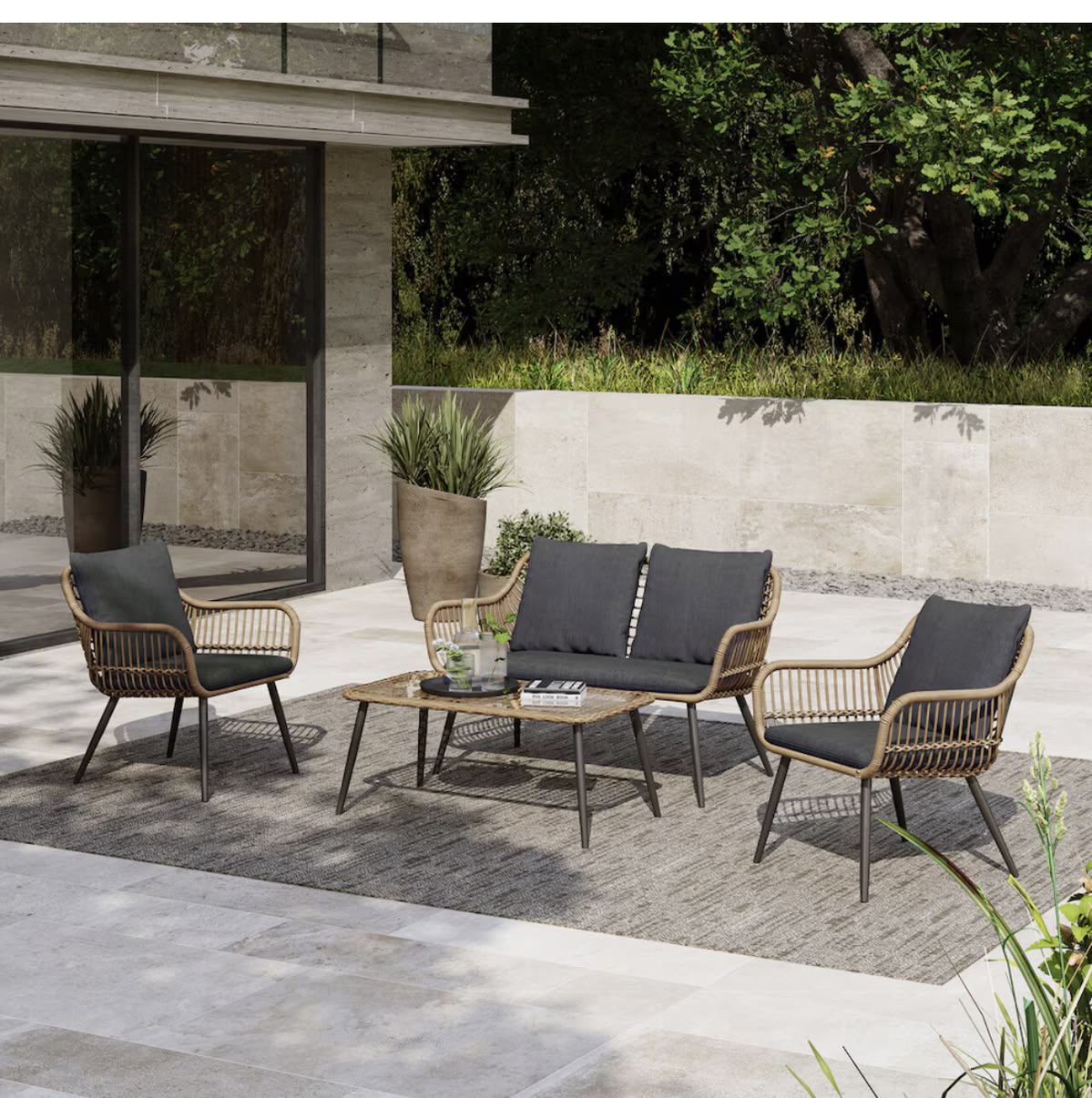
Outdoor chairs are an essential part of creating a comfortable and inviting outdoor space. Whether you are furnishing a patio, garden, balcony, terrace, or outdoor dining area, the right chairs can make the space more functional while adding to its overall appearance.
However, choosing outdoor seating is about more than finding a design you like. Outdoor chairs need to provide comfortable support, complement your surroundings, and withstand the conditions of outdoor use.
By focusing on three key factors—comfort, style, and durability—you can find outdoor chairs that work well for both your lifestyle and your space.
Why Comfort, Style, and Durability Matter
A good outdoor chair needs to perform in several ways.
Comfort determines how enjoyable the chair is to use. Style affects how well it complements your outdoor environment. Durability helps ensure that the chair remains practical through regular use and outdoor exposure.
Focusing on only one of these factors can lead to compromises. A stylish chair may not provide enough support, while a durable chair may not match the look of your space.
The goal is to find a balance between all three.
Start With Comfort
Comfort should be one of the first things to consider when choosing outdoor chairs.
Pay attention to the chair’s seat, backrest, height, and overall proportions. A chair should provide appropriate support for the way you plan to use it.
For example, chairs used around an outdoor dining table may require a different design from chairs intended for relaxing in the garden.
Consider:
- Seat depth
- Seat height
- Backrest support
- Armrest design
- Overall chair proportions
- Cushion compatibility
If you expect to spend long periods sitting outdoors, comfort becomes especially important.
Choose Chairs Based on How You Use Your Space
The best outdoor chair depends on its intended purpose.
For outdoor dining, choose chairs that work comfortably with your dining table. For relaxation areas, consider designs that encourage a more comfortable sitting position.
Outdoor chairs can support many activities, including:
- Outdoor dining
- Reading
- Drinking coffee
- Relaxing
- Entertaining guests
- Family gatherings
- Enjoying the garden
Understanding how the chairs will be used makes it easier to select the right design and level of comfort.
Find a Style That Complements Your Outdoor Space
Outdoor chairs can contribute significantly to the visual character of a patio or garden.
Modern spaces may benefit from chairs with clean lines and simple silhouettes, while natural gardens may pair well with warmer materials and organic forms.
When choosing a style, consider the existing design of your home and outdoor area.
Think about:
- Shape
- Color
- Material
- Finish
- Texture
- Furniture proportions
The right combination can create a cohesive outdoor environment without making every piece of furniture look identical.
Consider Different Outdoor Chair Styles
Different chair styles can serve different purposes and create different atmospheres.
Dining Chairs
Outdoor dining chairs are designed to work with tables and provide comfortable seating during meals. They are ideal for patios, terraces, and outdoor dining areas.
Lounge Chairs
Lounge-style chairs can create a more relaxed environment for reading, resting, or enjoying your surroundings.
Compact Chairs
Compact designs are useful for balconies, smaller patios, and other areas where space is limited.
Flexible Seating
Lightweight or movable chairs can make it easier to change your outdoor arrangement depending on the occasion.
Choosing the right style starts with understanding what you want your outdoor space to accomplish.
Think About Durability
Outdoor furniture faces conditions that indoor furniture typically does not.
Outdoor chairs may be exposed to sunlight, rain, humidity, dust, heat, and regular temperature changes. This makes durability an important consideration when selecting outdoor seating.
Look for chairs with appropriate construction and materials for the environment where they will be used.
A durable chair should be able to support regular use while maintaining its structural integrity and appearance over time.
Choose Materials Carefully
The material of an outdoor chair can influence its comfort, appearance, maintenance, and durability.
Metal
Metal chairs can provide a sturdy structure and contemporary appearance. They can work particularly well in modern outdoor settings.
Wood
Wood can add warmth and a natural character to outdoor spaces. Wooden chairs can complement gardens and landscapes especially well.
Plastic
Plastic chairs are often lightweight and practical. They can be useful when chairs need to be moved or stored frequently.
Synthetic Materials
Synthetic materials can offer design flexibility while providing practical characteristics for outdoor use.
When selecting a material, consider both the appearance you want and the conditions the chairs will experience.
Consider Your Local Outdoor Conditions
The environment around your home can influence how well outdoor furniture performs.
If your chairs will be exposed to strong sunlight, frequent rain, or high humidity, consider materials and finishes that are appropriate for those conditions.
Also think about whether the chairs will remain outdoors permanently or be moved into storage when not in use.
Matching the chair to its environment can help reduce maintenance and support long-term usability.
Look at the Construction
Material alone does not determine durability. Construction quality also matters.
Pay attention to how the chair is assembled and whether the frame feels stable and secure. Strong joints, a balanced structure, and appropriate finishing can contribute to a chair’s overall performance.
A well-designed chair should feel stable when you sit down and move naturally during everyday use.
Don’t Forget Maintenance
Even durable outdoor chairs require appropriate care.
Simple maintenance can help preserve both appearance and functionality. Depending on the material, this may include regular cleaning, removing dirt or debris, and protecting the chairs when they are not being used for extended periods.
Consider your willingness to maintain the furniture before making a purchase.
If you prefer low-maintenance outdoor furniture, look for designs and materials that are easy to clean and care for.
Match Chair Size to Your Space
Comfort and durability are important, but size also matters.
Large outdoor chairs may provide generous seating but can overwhelm a compact patio. Smaller chairs can help maximize space but may not provide the same level of comfort for extended use.
Measure your space before choosing your chairs and leave enough room for people to move around comfortably.
Good proportions can make an outdoor area feel more spacious and organized.
Create a Balanced Outdoor Seating Arrangement
Individual chairs should work together as part of the overall space.
For a dining area, arrange chairs around a suitable table with enough space for people to sit and move comfortably. For a relaxation area, consider grouping chairs around a small table or positioning them toward a garden view.
The arrangement should support the way you expect people to use the space.
Thoughtful placement can improve both functionality and visual appeal.
Balance Comfort With Style
Comfort does not have to come at the expense of appearance.
Modern outdoor furniture offers many designs that combine supportive seating with attractive shapes and finishes. Look for chairs that feel comfortable while also fitting naturally into your home’s outdoor design.
Consider the chair from both perspectives:
How does it feel to use?
How does it look in the space?
The best choice should work well in both areas.
Balance Style With Durability
A visually appealing outdoor chair should also be practical enough for its environment.
Before choosing a design, consider whether its materials, finish, and construction are suitable for the conditions where it will be placed.
A chair that looks great but requires more care than you are willing to provide may not be the most practical choice for your lifestyle.
Finding the right balance can help you enjoy both the appearance and functionality of your outdoor furniture.
Consider Flexibility for Everyday Use
Outdoor spaces often serve multiple purposes.
Your patio might be used for breakfast in the morning, relaxing in the afternoon, and entertaining guests in the evening. Flexible chairs can make it easier to adapt the space throughout the day.
Movable or lightweight designs can be particularly useful when you frequently change your seating arrangement.
Flexibility can make your outdoor furniture more useful without requiring additional pieces.
A Simple Guide to Choosing Outdoor Chairs
Before making your decision, consider these questions:
- Is the chair comfortable?
- Does the design match your outdoor space?
- Is the material appropriate for your environment?
- Is the construction stable and durable?
- Will the chair be easy to maintain?
- Does the size fit your available space?
- Will it work with your existing outdoor furniture?
- Does it suit your everyday lifestyle?
Answering these questions can help you find outdoor chairs that provide a practical balance of comfort, style, and durability.
Final Thoughts
Choosing outdoor chairs is about finding furniture that performs well while complementing your outdoor environment.
Comfort makes the chairs enjoyable to use. Style helps create an attractive and cohesive space. Durability supports long-term functionality in an outdoor setting.
When these three factors are considered together, outdoor chairs can become more than simple seating. They can help create a patio, garden, balcony, or terrace that is comfortable, attractive, and ready for everyday living.