
Blog
How to Choose the Best Outdoor Chairs for Your Space

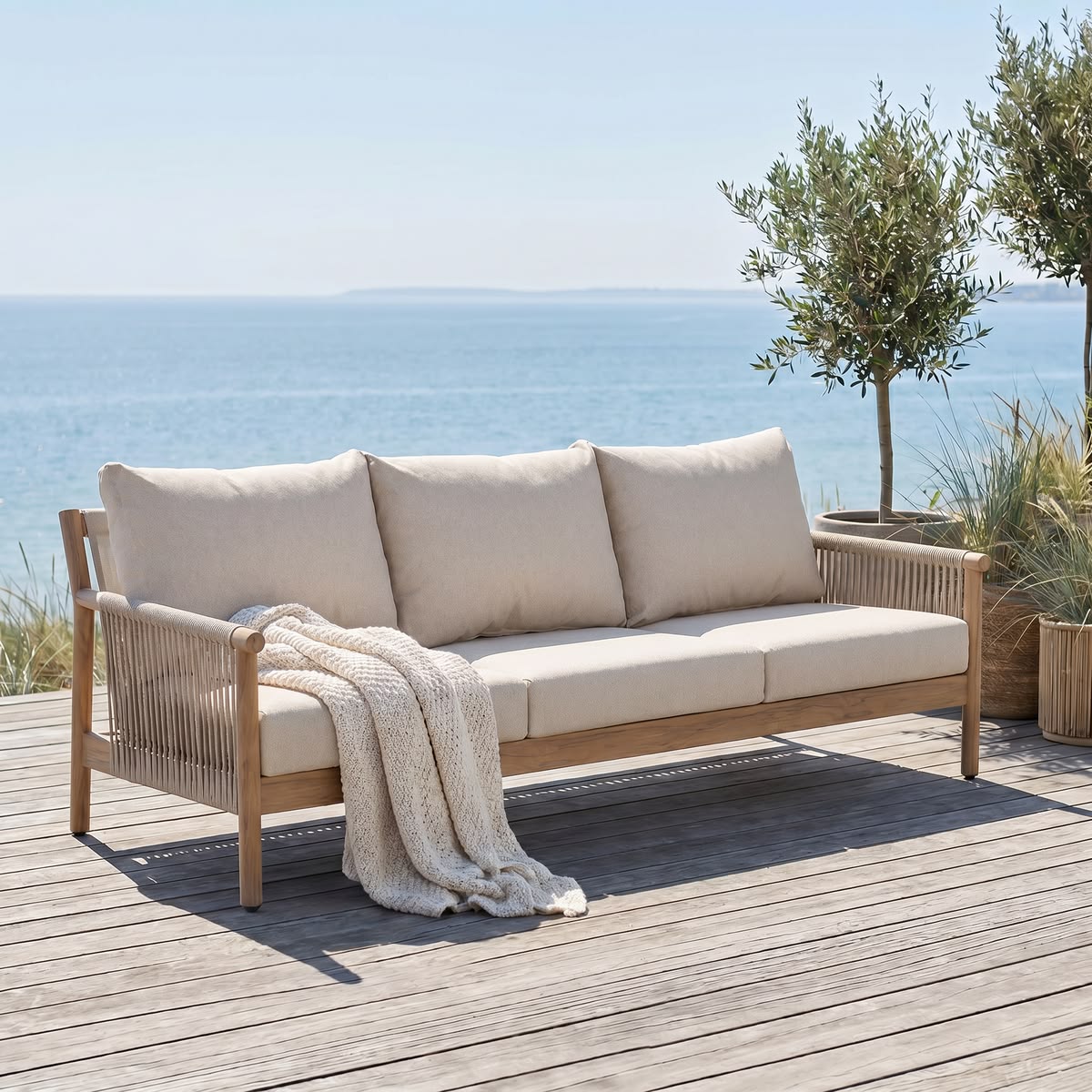
Choosing the right outdoor furniture can transform an ordinary patio, balcony, garden, or terrace into a comfortable and inviting space. Among the most important pieces of outdoor furniture are chairs.
The right outdoor chairs should do more than simply provide a place to sit. They should fit your available space, suit your lifestyle, withstand outdoor conditions, and complement the overall design of your environment.
With so many materials, styles, sizes, and designs available, choosing the right outdoor chair can feel overwhelming. Fortunately, understanding a few key factors can make the process much easier.
Why Choosing the Right Outdoor Chair Matters
Outdoor chairs are exposed to conditions that indoor furniture typically does not experience.
Sunlight, rain, humidity, dust, and temperature changes can all affect furniture over time. At the same time, outdoor seating needs to remain comfortable and attractive.
A good outdoor chair should balance several important qualities:
- Comfort
- Durability
- Weather suitability
- Style
- Functionality
- Size
- Maintenance
- Storage requirements
The right balance depends on where you plan to use the chairs and how often you expect to use them.
1. Start by Understanding Your Outdoor Space
Before choosing a chair, take a close look at your space.
A large garden offers different possibilities compared with a small balcony or compact patio.
Measure the available area and consider how much room you need around the chairs for movement.
For example, a small balcony may benefit from compact or lightweight chairs, while a spacious patio may accommodate larger seating arrangements.
Understanding the dimensions of your space helps prevent furniture from feeling crowded or out of proportion.
2. Decide How You Will Use the Chairs
Think about the main purpose of your outdoor seating.
Will you use the chairs for:
- Outdoor dining
- Relaxing
- Reading
- Drinking coffee
- Entertaining guests
- Working outdoors
- Poolside seating
- Commercial use
Different activities may require different chair designs.
Dining chairs should work well with the height of your outdoor table, while relaxation chairs may prioritize deeper seating and greater comfort.
If the chairs will serve multiple purposes, consider a versatile design that can easily adapt to different activities.
3. Consider Comfort
Outdoor furniture should be comfortable enough to encourage you to spend time outside.
When evaluating a chair, consider the seat, backrest, height, and overall shape.
A supportive backrest can make a significant difference, especially when sitting for longer periods. Cushions can also provide additional comfort when they are designed for outdoor use.
However, comfort is personal. If possible, try the chair before purchasing it or carefully review its dimensions and design.
4. Choose the Right Material
Material is one of the most important factors when choosing outdoor chairs.
Different materials offer different combinations of durability, appearance, comfort, and maintenance requirements.
Metal Outdoor Chairs
Metal chairs can provide a strong and modern appearance. They are often suitable for contemporary patios, terraces, restaurants, and other outdoor environments.
Consider the finish and construction when evaluating metal furniture for outdoor use.
Wooden Outdoor Chairs
Wood can bring a warm and natural appearance to outdoor spaces.
Wooden chairs can work particularly well in gardens, patios, and decks where a natural aesthetic is desired.
Outdoor wood may require regular care depending on the material and finish.
Plastic Outdoor Chairs
Plastic chairs can be lightweight, practical, and relatively easy to maintain.
They can be a useful choice when chairs need to be moved frequently or stored when not in use.
Synthetic Outdoor Materials
Weather-resistant synthetic materials can offer durability and flexibility while supporting a wide range of modern designs.
The best material ultimately depends on your environment, preferences, and maintenance expectations.
5. Think About Weather Conditions
Outdoor furniture needs to match the environment where it will be placed.
Consider how much exposure your chairs will receive to:
- Direct sunlight
- Rain
- Humidity
- Wind
- Dust
- Temperature changes
If your chairs will remain outdoors throughout the year, choose materials and finishes designed for the conditions they are likely to experience.
If you can store your chairs indoors during severe weather, you may have more flexibility in your material choices.
6. Consider Durability
Outdoor chairs should be able to handle regular use.
Durability depends on factors such as materials, construction, finish, and intended use.
If the chairs will be used frequently by family members or guests, durability should be an important consideration.
For commercial environments such as cafés, restaurants, and hotels, chairs may experience significantly more frequent use and therefore require suitable commercial-grade construction.
A durable chair can provide better long-term value and reduce the need for frequent replacement.
7. Look for Easy Maintenance
Outdoor furniture naturally collects dust, leaves, and other debris.
Choosing easy-to-maintain chairs can make outdoor living much more convenient.
Consider materials that can be cleaned according to the manufacturer’s recommendations and surfaces that do not require complicated maintenance.
Regular care can help outdoor chairs maintain their appearance and functionality over time.
Simple maintenance may include:
- Removing dust and debris regularly
- Cleaning spills promptly
- Keeping surfaces dry when appropriate
- Following recommended cleaning methods
- Protecting or storing furniture when necessary
8. Match the Chair to Your Outdoor Style
Functionality is important, but appearance also matters.
Outdoor chairs are part of your overall exterior design, so consider how they will look alongside your home, landscaping, table, flooring, and other furniture.
Modern outdoor spaces may work well with clean-lined minimalist chairs.
Natural environments may benefit from wooden or earth-toned designs.
For commercial spaces, the chair style can also contribute to the visual identity of the establishment.
Choose a design that complements the space rather than competing with it.
9. Choose the Right Size
The size of your outdoor chair should match both the available space and the surrounding furniture.
A chair that is too large can make a small patio feel crowded. A chair that is too small may look out of place in a large outdoor area.
Consider:
- Chair width
- Chair depth
- Chair height
- Table height
- Space between chairs
- Walking areas
If you are buying several chairs, remember to account for the space each chair needs when people are sitting and moving around.
10. Consider Stackable or Foldable Designs
If storage space is limited, flexible chair designs can be particularly useful.
Stackable outdoor chairs can be stored efficiently when they are not being used.
Foldable chairs can also provide flexibility for balconies, small patios, event spaces, and occasional outdoor activities.
These features can make it easier to adapt your outdoor space depending on the occasion.
11. Think About the Number of Chairs You Need
The number of chairs should match both your available space and your typical activities.
For a dining area, consider the number of people who normally use the table.
For a relaxation area, think about how many people you want to accommodate comfortably.
Avoid filling the entire space with furniture. Leaving enough open area can make an outdoor environment feel more spacious and easier to navigate.
12. Consider Cushions and Accessories
Outdoor cushions can provide additional comfort and allow you to introduce more color and personality into your outdoor space.
If you choose cushions, consider whether the fabric and filling are suitable for outdoor use.
You should also think about how the cushions will be stored or protected when they are not being used.
Accessories such as outdoor pillows, side tables, umbrellas, and rugs can also complement your chairs and create a more complete outdoor seating area.
Outdoor Chairs for Different Spaces
The best outdoor chair depends heavily on where you plan to use it.
Balcony
For balconies, prioritize compact dimensions and lightweight designs.
Space-saving chairs can help you create a comfortable seating area without making the balcony feel crowded.
Patio
Patios offer more flexibility, allowing you to choose from dining chairs, lounge chairs, or versatile seating depending on how the space is used.
Garden
Garden chairs can become part of a relaxing environment surrounded by plants and landscaping.
Natural materials and comfortable designs can work particularly well in these settings.
Deck
Decks often function as an extension of indoor living areas. Choose chairs that complement both the architecture and your existing outdoor furniture.
Poolside
For poolside spaces, consider materials that are suitable for frequent exposure to moisture and easy to clean.
Commercial Outdoor Areas
Restaurants, cafés, hotels, and other businesses need chairs that combine comfort, durability, easy maintenance, and a design appropriate for the brand and environment.
How to Compare Different Outdoor Chairs
When comparing options, avoid focusing on a single feature.
Instead, consider the complete picture.
Ask yourself:
Is the chair comfortable?
Consider the seat, backrest, dimensions, and overall design.
Is it suitable for my climate?
Think about sunlight, rain, humidity, and other environmental factors.
Does it fit my space?
Measure your area and compare it with the chair’s dimensions.
Is it durable enough?
Consider how frequently the chair will be used and by how many people.
Is it easy to maintain?
Think about cleaning requirements and everyday upkeep.
Does it match my style?
Make sure the design works with your existing outdoor furniture and environment.
Avoid Choosing Outdoor Chairs Based Only on Appearance
An attractive chair can immediately catch your attention, but appearance should not be the only consideration.
A chair may look perfect in a photograph but be uncomfortable, difficult to maintain, or unsuitable for your outdoor environment.
Instead, consider how the chair will perform in real-world use.
The best choice is one that fits your space, lifestyle, environment, and design preferences.
Think About Long-Term Use
Outdoor furniture is an investment in your living space.
Before purchasing, consider how you expect to use the chairs over the next few years.
If your outdoor space is frequently used for entertaining, choose seating that can accommodate guests comfortably.
If your needs change frequently, versatile or stackable chairs may provide additional flexibility.
Thinking about long-term use can help you choose furniture that remains useful as your lifestyle changes.
Create an Outdoor Space You Enjoy
The ultimate purpose of outdoor furniture is to make your outdoor environment more enjoyable.
A comfortable chair can encourage you to spend more time outside, whether you are enjoying a quiet morning, having dinner with family, or entertaining friends.
When your seating is comfortable, practical, and visually appealing, your outdoor space can become a natural extension of your everyday lifestyle.
Final Thoughts
Choosing the best outdoor chairs for your space requires more than selecting a design you like.
Consider the size of your space, how the chairs will be used, the local weather conditions, material, durability, comfort, maintenance, and overall style.
The right combination of these factors can help you find outdoor seating that is both practical and attractive.
Whether you are furnishing a small balcony, a relaxing garden, a spacious patio, or a commercial outdoor area, the right outdoor chair can help transform the space into a more comfortable and inviting environment.